

GCTU Commission Approves Methodology for Raising the Minimum Wage in the CIS
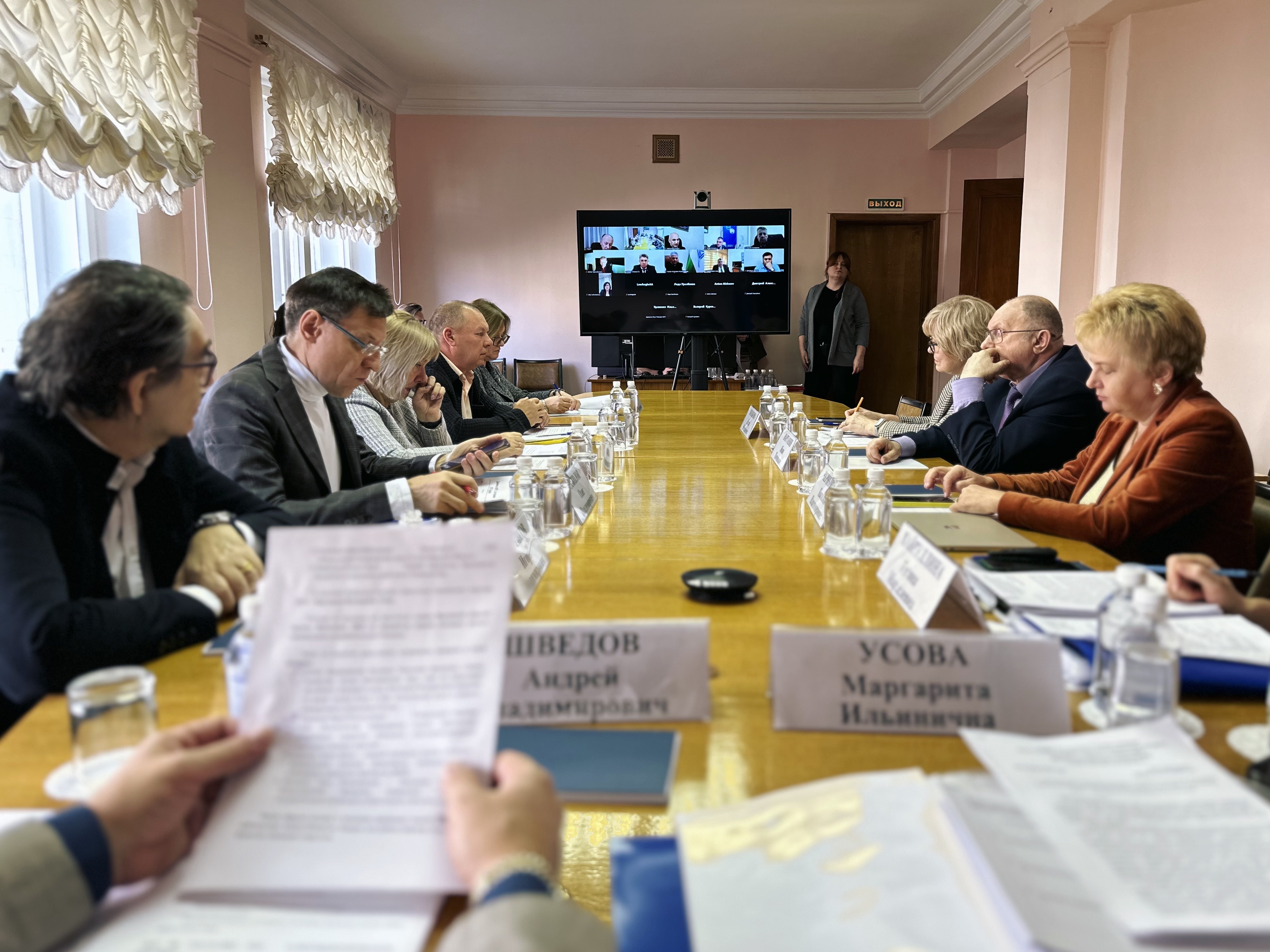
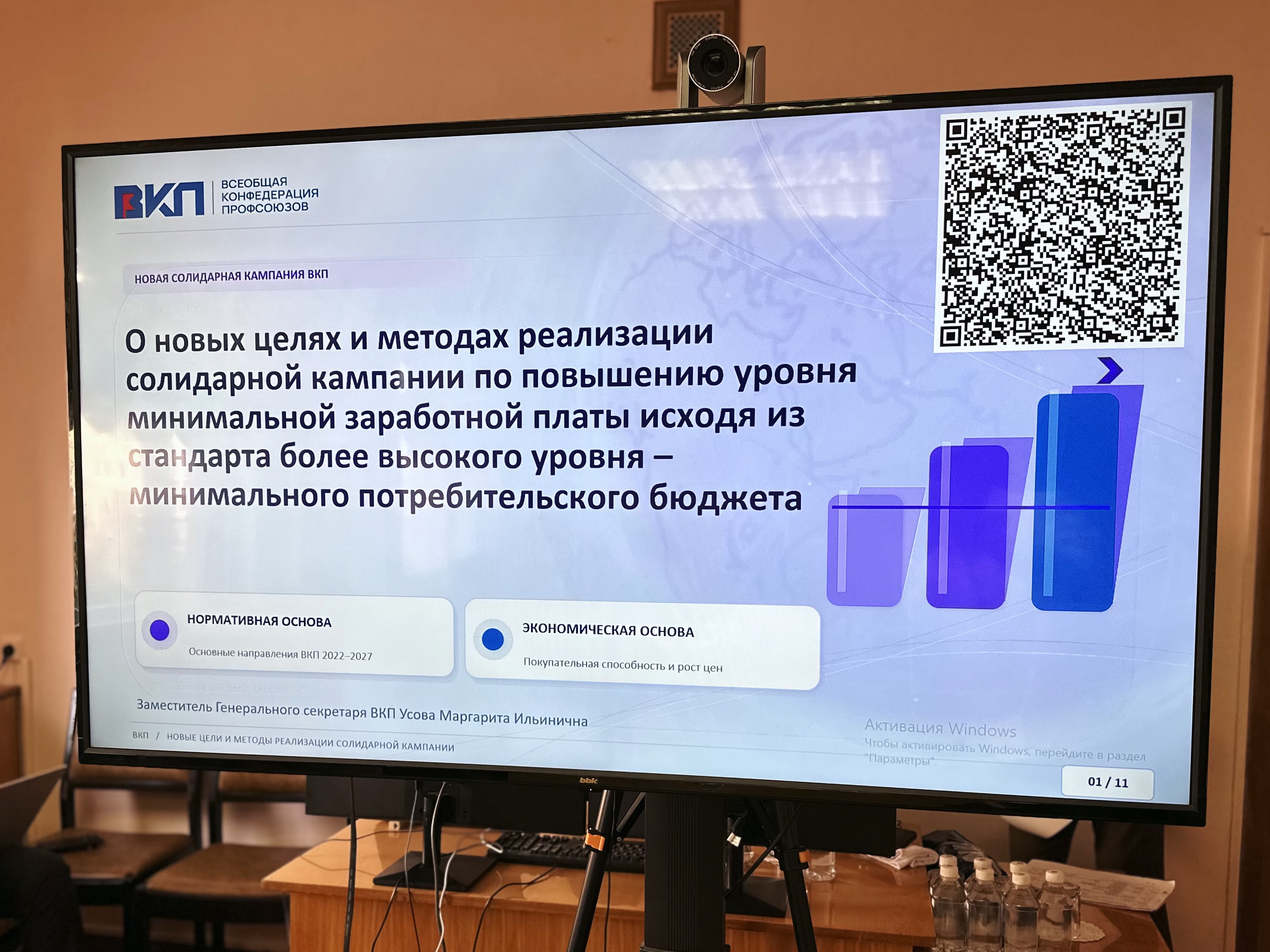
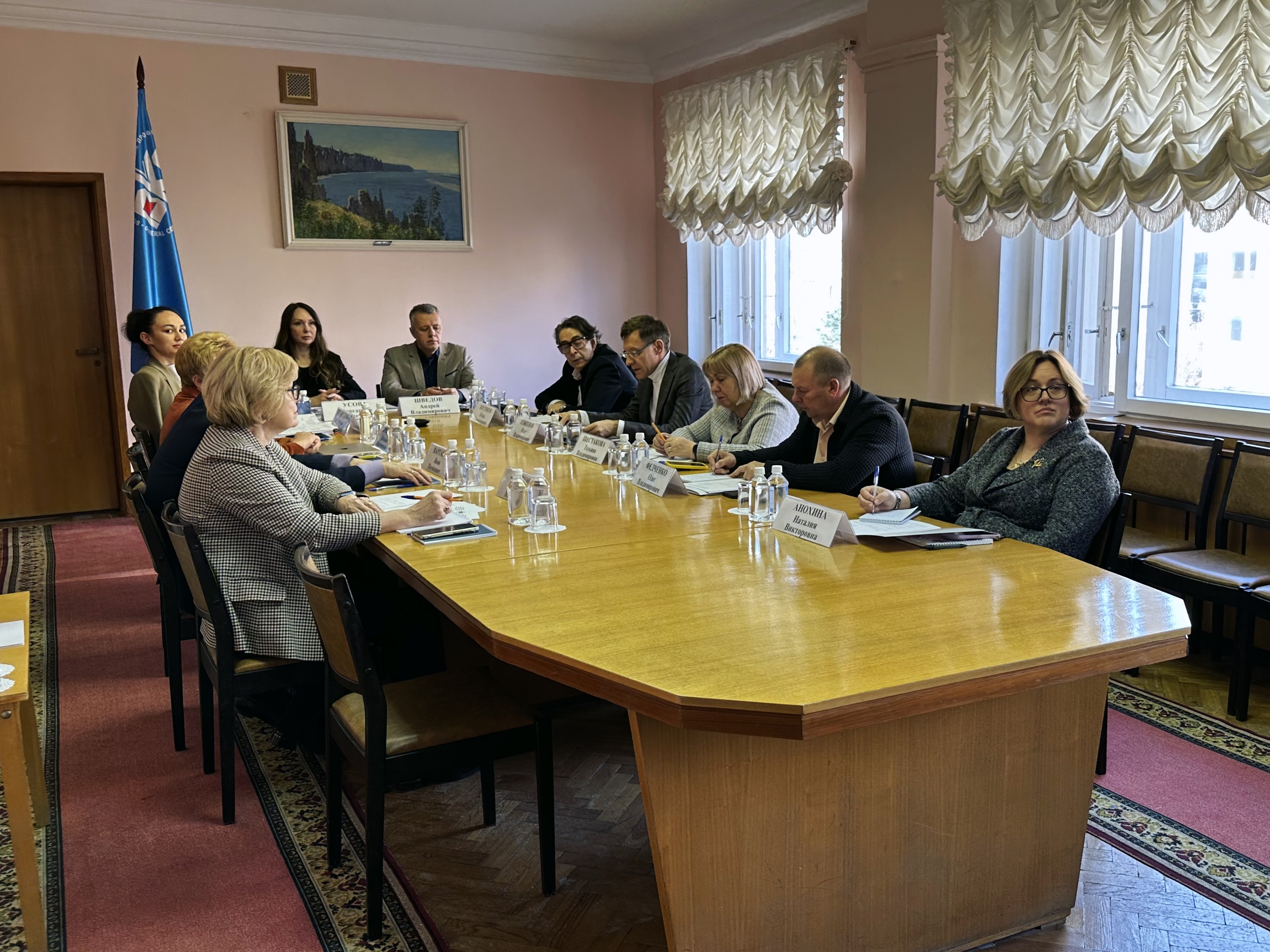
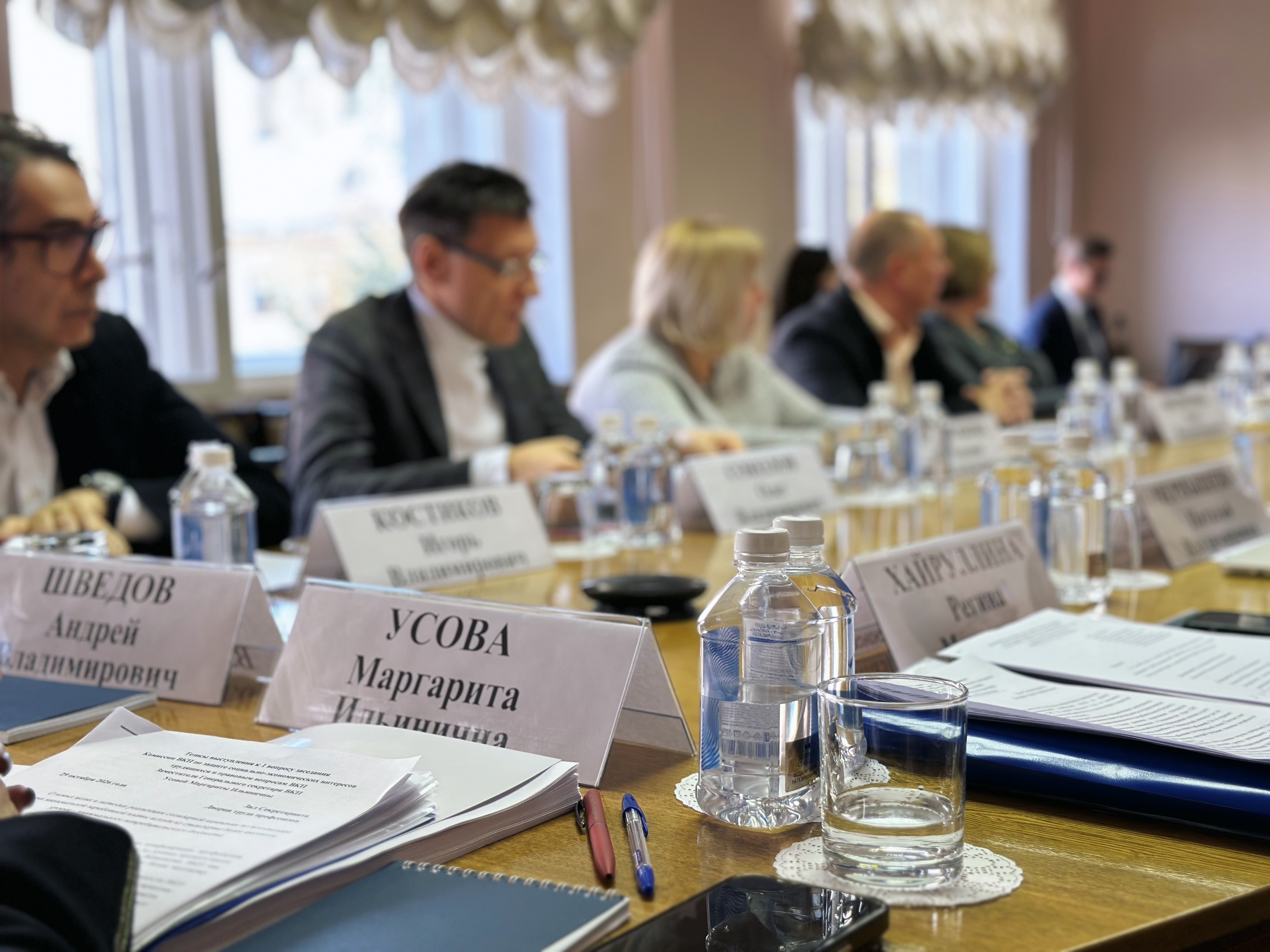
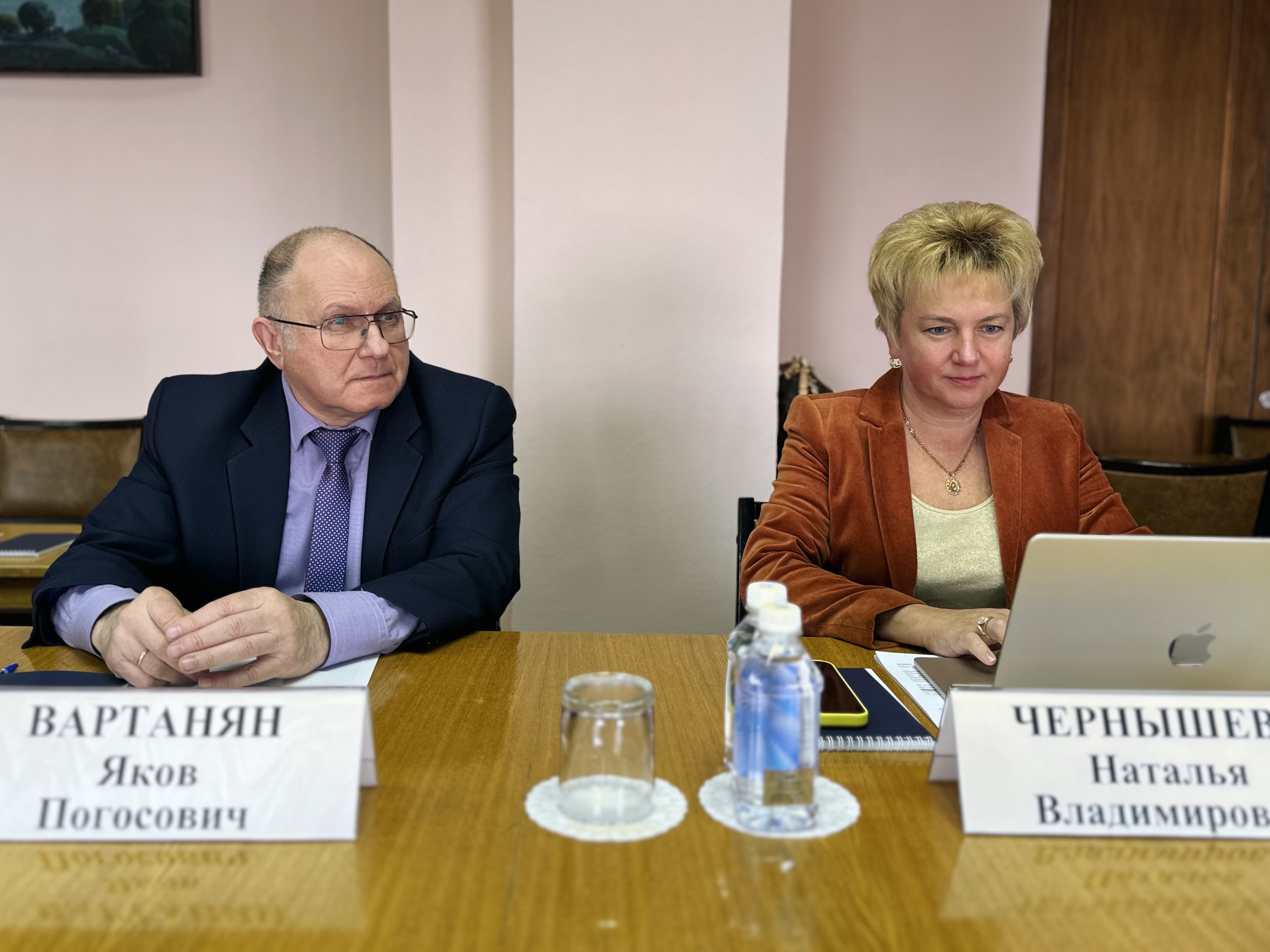
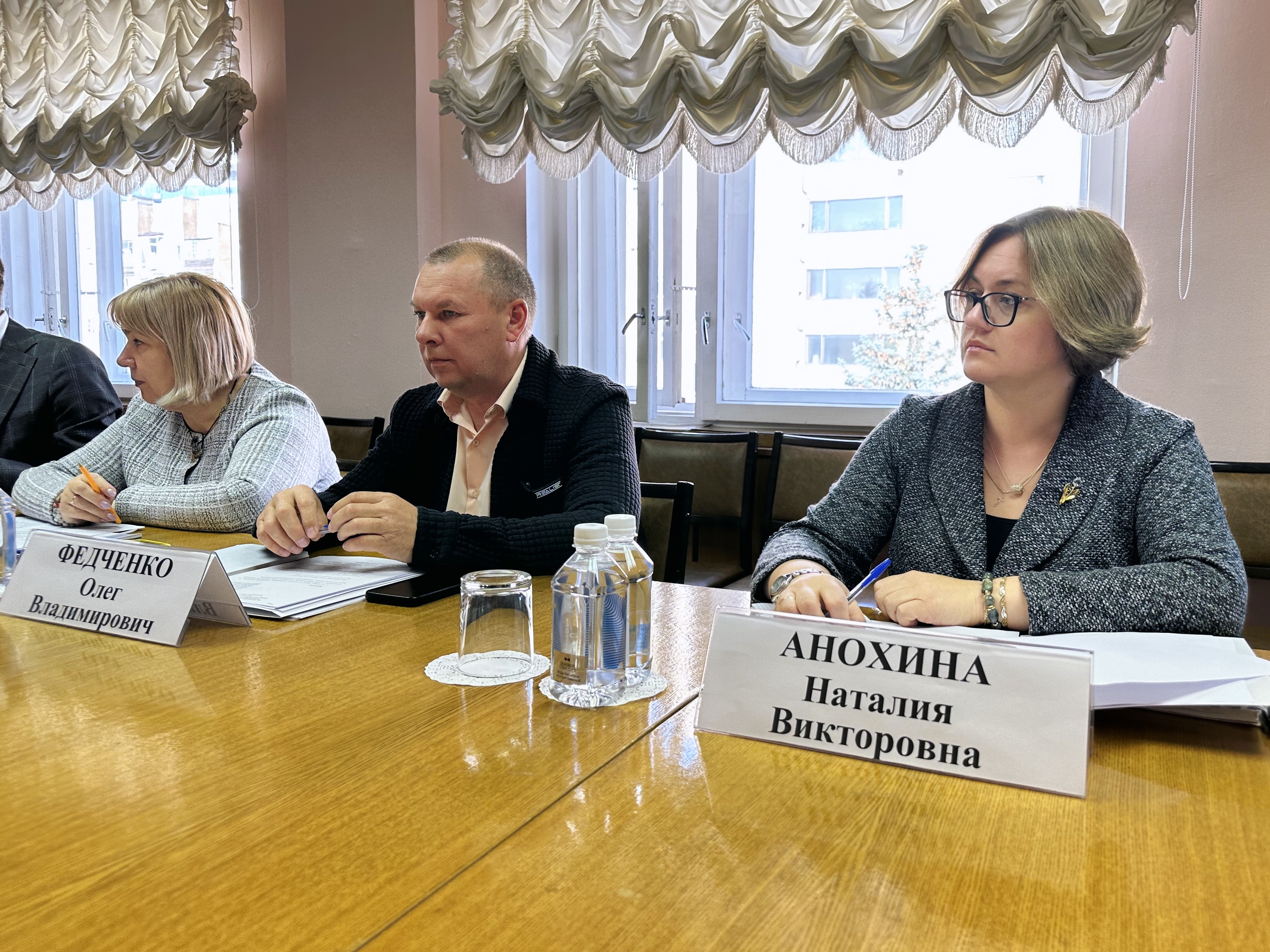
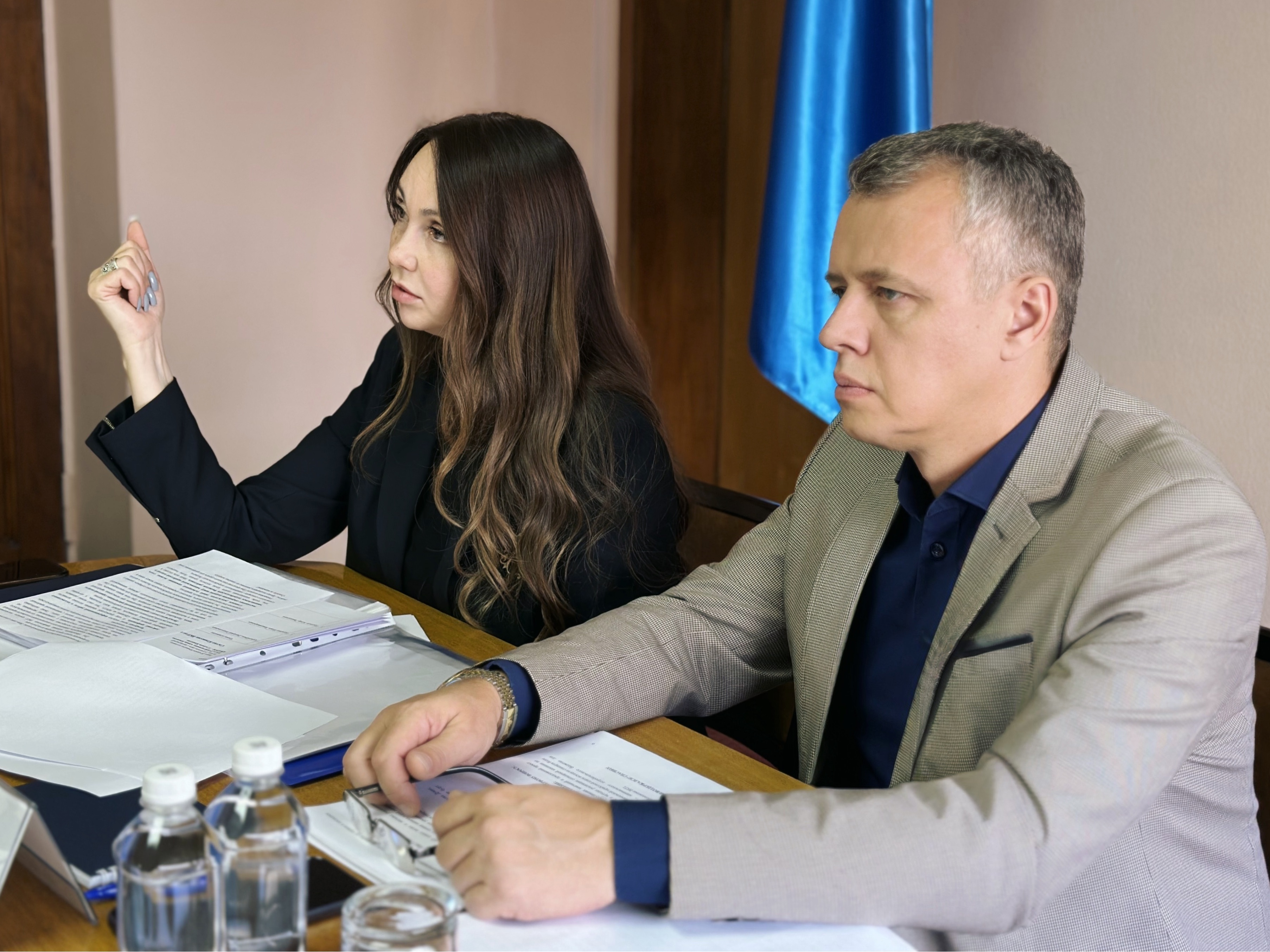
On October 29, a meeting of the GCTU Commission on the Protection of the Socio-Economic Interests of Working People and Legal Issues was held in Moscow, Russia. The participants unanimously supported the proposals on the new goals of the solidarity campaign, aimed at raising the minimum wage in the CIS countries to a level no lower than the worker's minimum consumer budget.
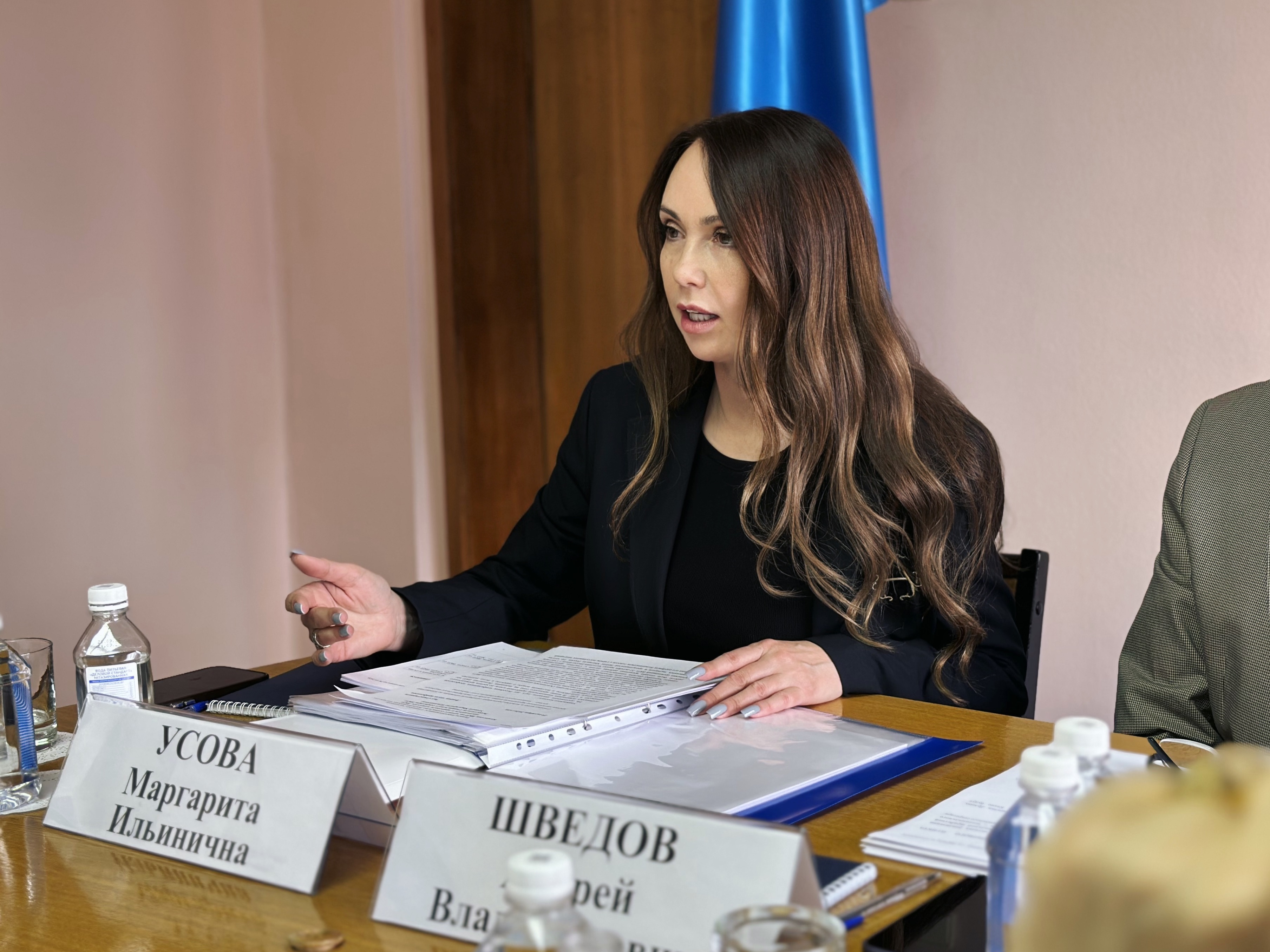
"Today we need a higher benchmark than the subsistence minimum for setting workers' wages in the CIS. The GCTU believes it is time to use a different concept - the minimum consumer budget, which takes into account the real expenses of a worker and his or her family," emphasised Margarita Usova, GCTU Deputy General Secretary.
The Commission approved the draft methodology for calculating the minimum consumer budget of workers in the CIS countries, previously developed by the working group.
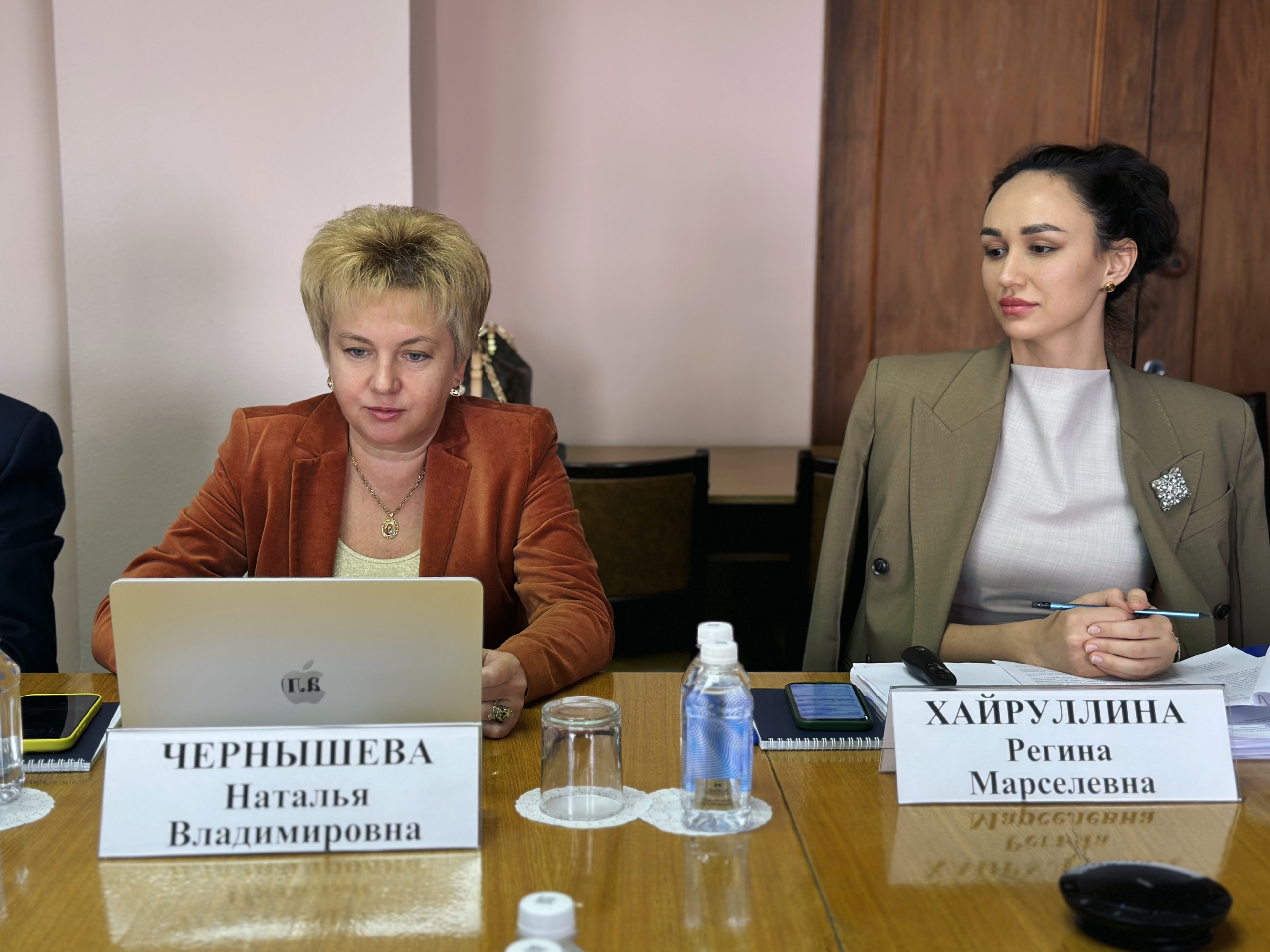
As Natalya Chernysheva, deputy chair of the GCTU Executive Committee's temporary working group, stated: "The methodology is based on the approaches applied in Kazakhstan, Belarus and Uzbekistan. Our document provides for calculating the cost of food baskets for working-age men and women, determining spending on non-food goods and services, and taking into account the natural and climatic conditions and the tax burden in each specific country. The calculations also include the cost of supporting at least one dependant, for example a child."
To achieve the new goal, the GCTU has prepared proposals for improving labour legislation. In particular, the Commission proposed initiating the development of a new model law of the InterParliamentary Assembly of the CIS "On the Minimum Wage in the CIS".
This initiative was supported by Oleg Sokolov, Secretary of the Federation of Independent Trade Unions of Russia (FNPR) and head of the Department of Socio-Labour Relations and Social Partnership of the FNPR Apparatus.
"The current procedure for calculating the subsistence minimum absolutely does not reflect the population's real expenses. It must be changed. The GCTU is developing documents that could later form the basis of model laws and methodologies. They are very important for the Russian Federation and for all other countries as a benchmark for a fairer assessment of the population's expenses," Oleg Sokolov noted.
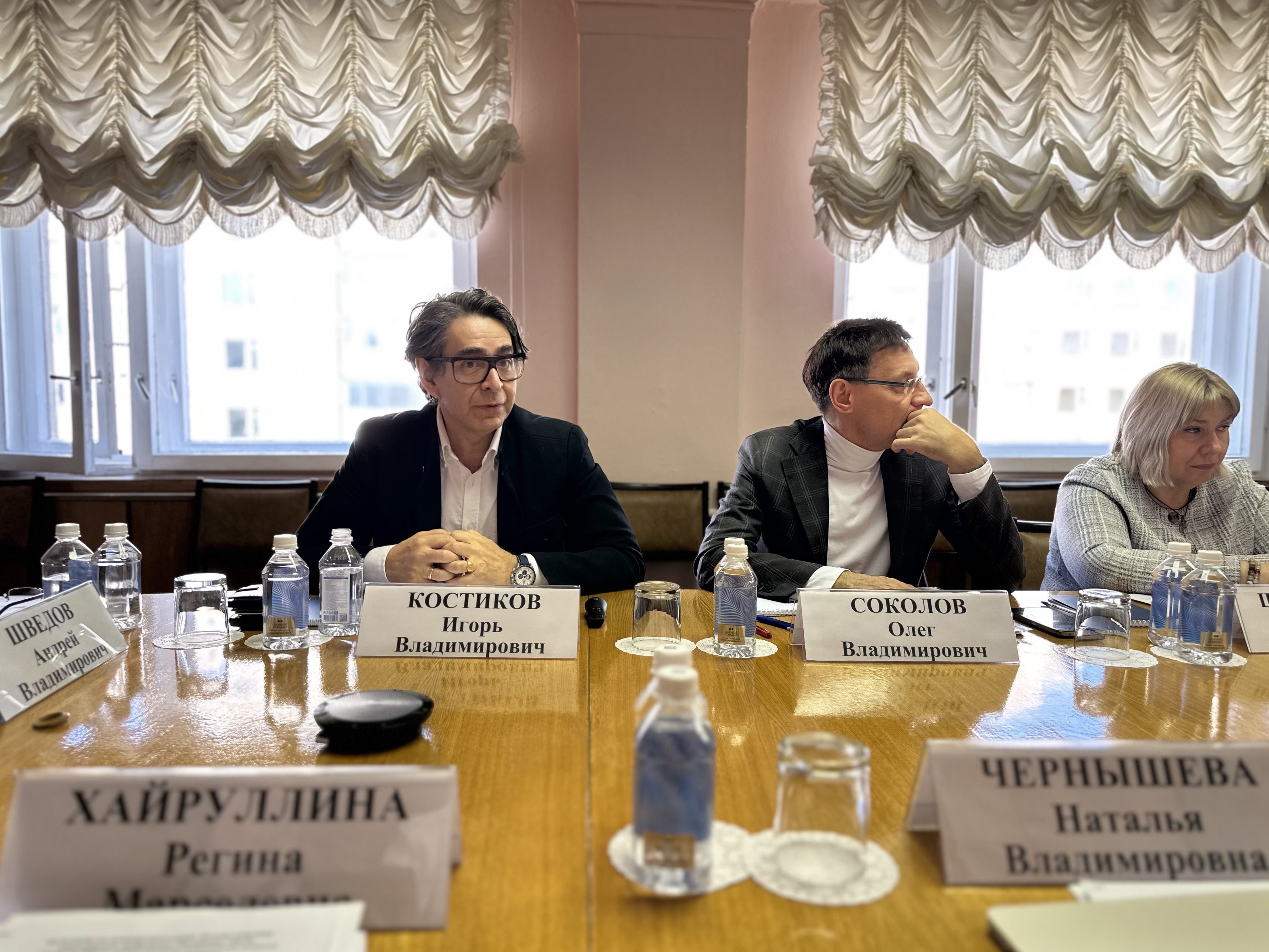
The meeting was chaired by GCTU Vice-President Andrei Shvedov. The Commission's work involved representatives of the national trade union centres of Azerbaijan, the Republic of Belarus, Kazakhstan, Kyrgyzstan, Russia, Tajikistan and Uzbekistan, international trade union associations and invited experts.
"People with high incomes drive the economy," noted Igor Kostikov, Doctor of Economics and professor.
Igor Kostikov drew attention to the link between wage levels and economic development, and the need to update consumer baskets in line with the needs of workers and their families.
The calculations, adjusted for national specifics, will enable trade unions to substantiate their demands for raising the minimum wage in negotiations with employers and government authorities.
For example, the minimum consumer budget of a worker in Kazakhstan, calculated under the GCTU methodology, amounted to 178,851.88 tenge, whereas, as of 1 January 2024, the minimum wage in the Republic of Kazakhstan is 85,000 tenge.
The members of the Commission unanimously approved the draft methodology for calculating the minimum consumer budget of a worker in the CIS and endorsed the draft report on the new goals and methods of the solidarity campaign for consideration by the GCTU Executive Committee on 9 November.
Further details on the proposals for the new goals and methods of the GCTU solidarity campaign can be found in the theses of the report to the Commission meeting of 29 October 2026 at the link: https://gctu-cgs.org/dokumenty/98/
GCTU News
-
CIS Working Group Supports Four GCTU Initiatives for the Year of Social Development and Quality of Life
On November 19, an additional meeting of the Working Group of the Consultative Council on Labour, Employment and Social Protection of the Population of the CIS Member States was held in Minsk, Belarus. The Working Group members finalised the proposals for the draft Plan of Events for the Year of Social Development and Quality of Life in the Commonwealth in 2028. All four initiatives of the General Confederation of Trade Unions were included in the agreed package of proposals. -
The 14th FNPR Congress Sets Tasks for Upgrading the Trade Union Education System
On November 18, the 14th Congress of the Federation of Independent Trade Unions of Russia (FNPR), the largest member organisation of the General Confederation of Trade Unions, was held in St Petersburg. 147 delegates attended the Congress. The main topic was increasing the effectiveness of trade union education and science. -
"Solidarity" to Help Promote the Interests of the Person of Labour in the State Duma
Viktor Pinsky, General Secretary of the General Confederation of Trade Unions (GCTU) and State Duma deputy, emphasised the importance of the "Solidarity" cross-party working group for protecting workers' interests and improving labour legislation. The group's organisational meeting took place on 12 November in Moscow, in the State Duma of the Russian Federation.