

GCTU Sets a New Goal for the Minimum Wage in the CIS: a Consumer Budget, Not a Subsistence Minimum
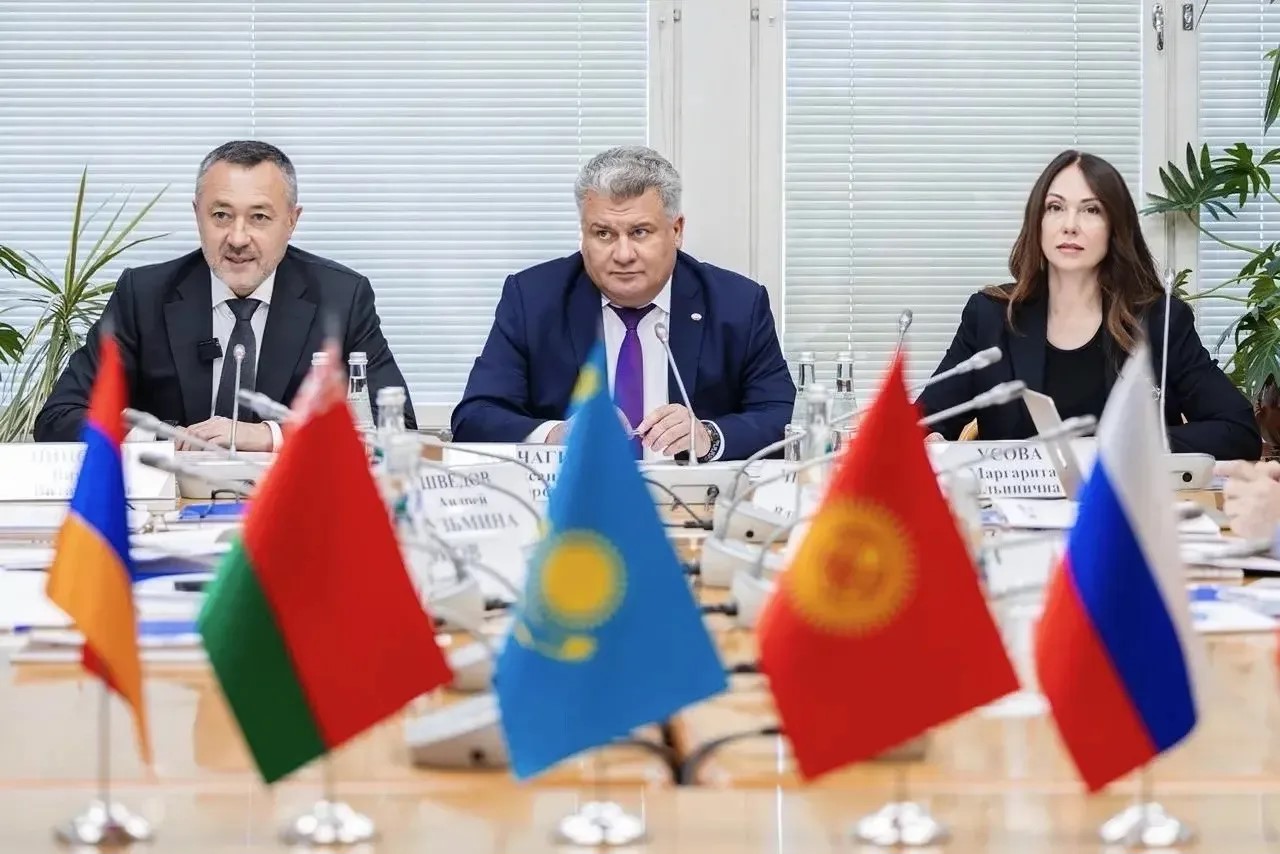
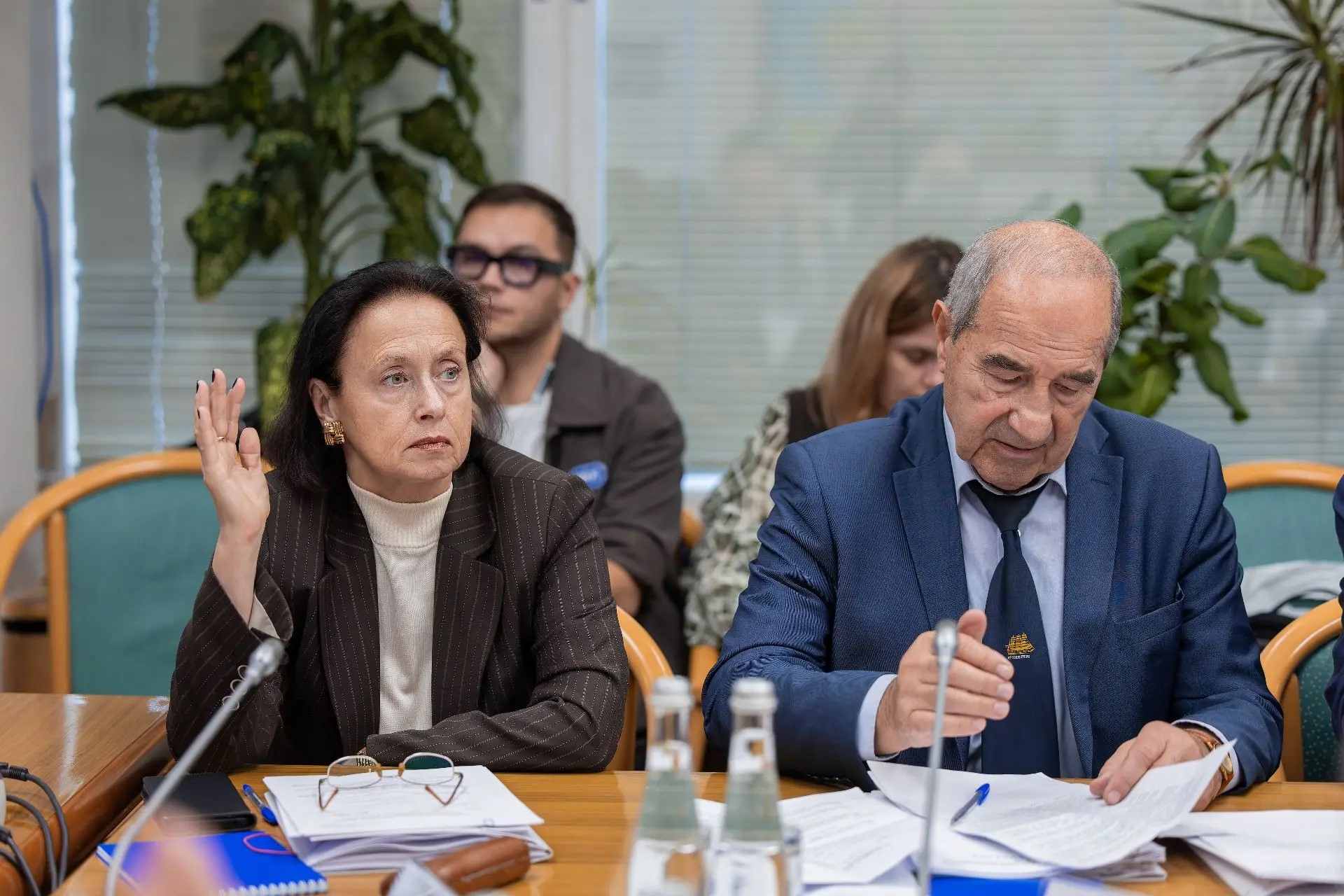
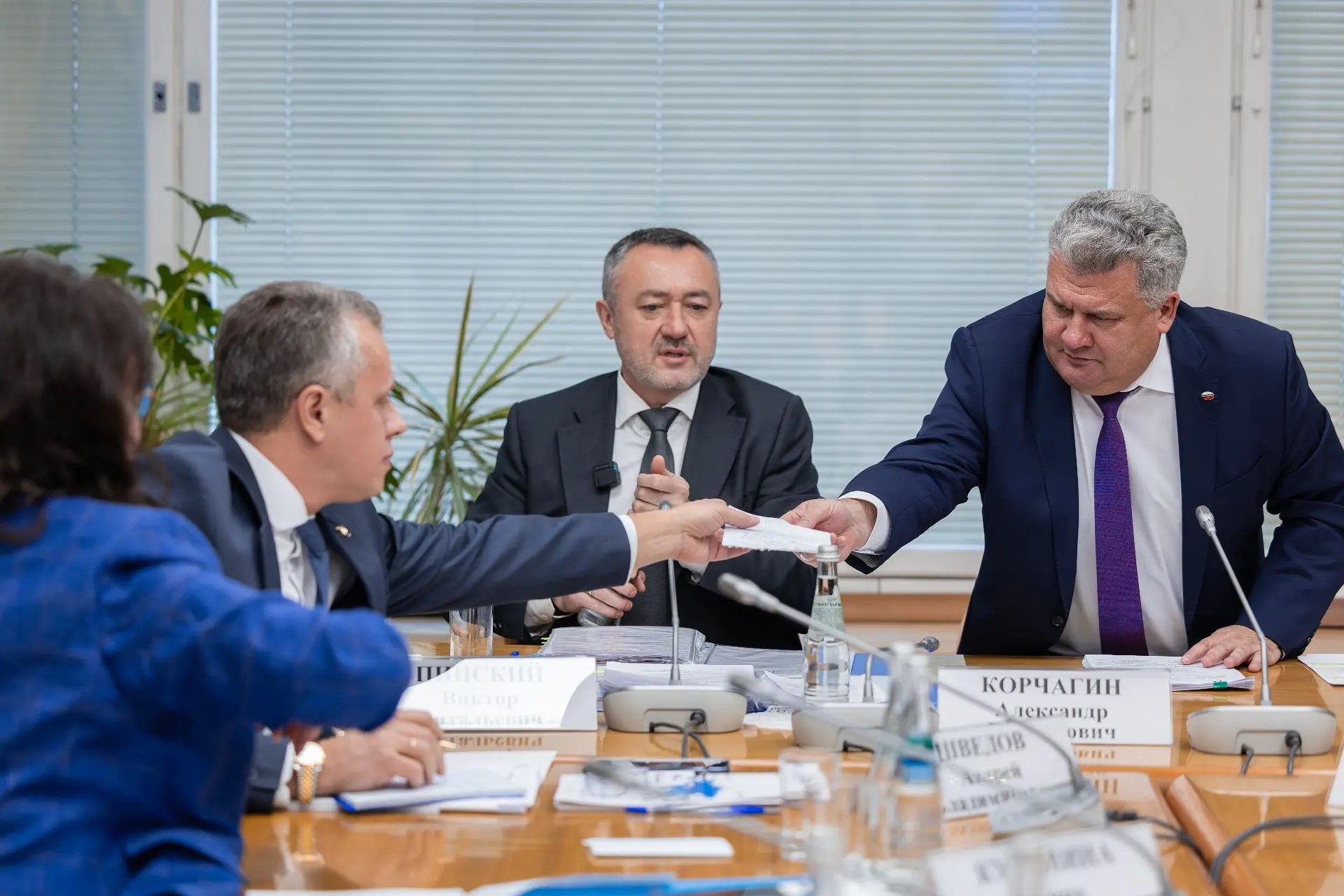
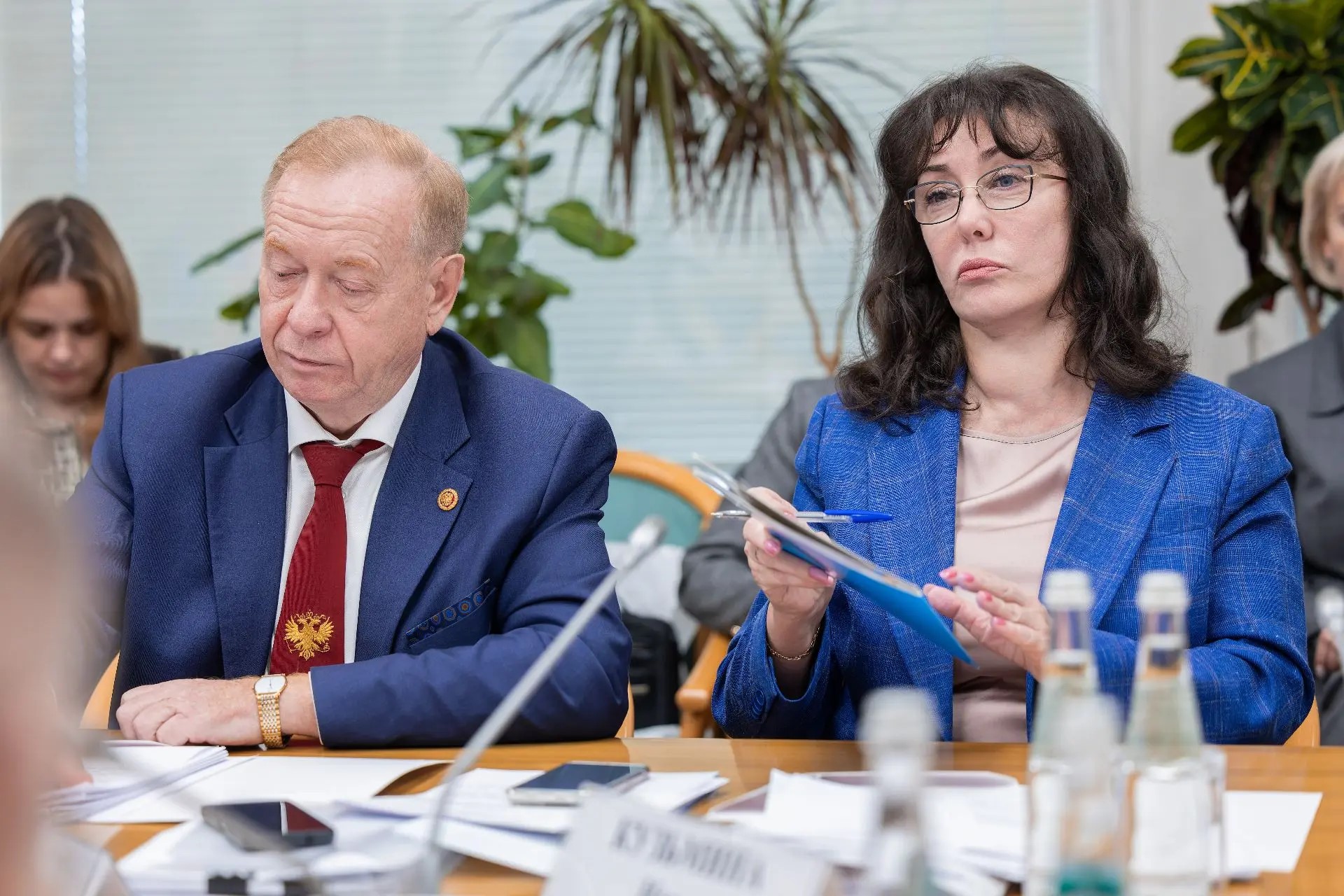
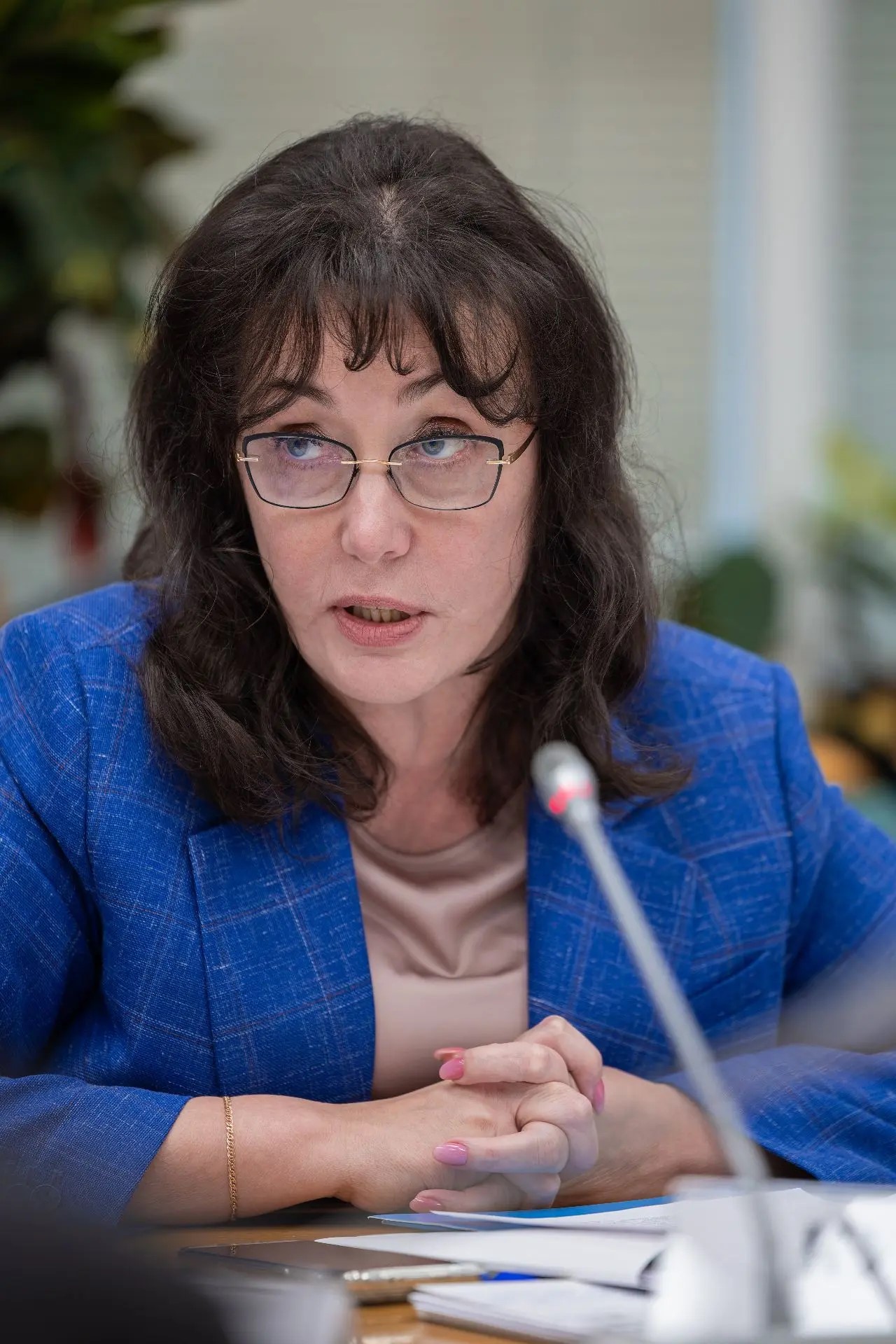
The General Confederation of Trade Unions (GCTU) has proposed a new approach to determining the minimum wage in the CIS countries. From now on, the main benchmark for raising it should be the worker's minimum consumer budget, which takes into account a broader range of a person's needs than the subsistence minimum. To advance this goal, the GCTU Council announced a new solidarity campaign in Moscow on 9 November, to begin in 2027. The basis for its implementation will be the unified methodology for calculating the minimum consumer budget, previously approved by the Confederation's Executive Committee.
The new campaign will continue the trade unions' work on raising pay standards in the CIS. During the previous campaign, launched in 2004, the minimum wage in most Commonwealth countries exceeded the subsistence minimum. Over that period it grew 143-fold in Tajikistan and 195-fold in Uzbekistan.
"The Confederation's new solidarity campaign will set higher standards for the formation of pay in the Commonwealth. The minimum consumer budget will become the basis for further work on raising wages. In today's economic conditions, human labour must be fairly paid. We will achieve this, among other things, through improving model legislation and raising the status of the person of labour," noted Viktor Pinsky, GCTU General Secretary.
The methodology, developed by the GCTU working group with the participation of the national trade union centres, international sectoral trade union associations and independent experts, establishes a common procedure for calculating the worker's minimum consumer budget. The calculations take into account the cost of essential goods and services, national prices, climatic conditions and taxes. Trade unions will be able to use the resulting figures in collective negotiations with governments and employers, substantiating proposals to raise the minimum wage in line with each country's conditions.
GCTU News
-
CIS Working Group Supports Four GCTU Initiatives for the Year of Social Development and Quality of Life
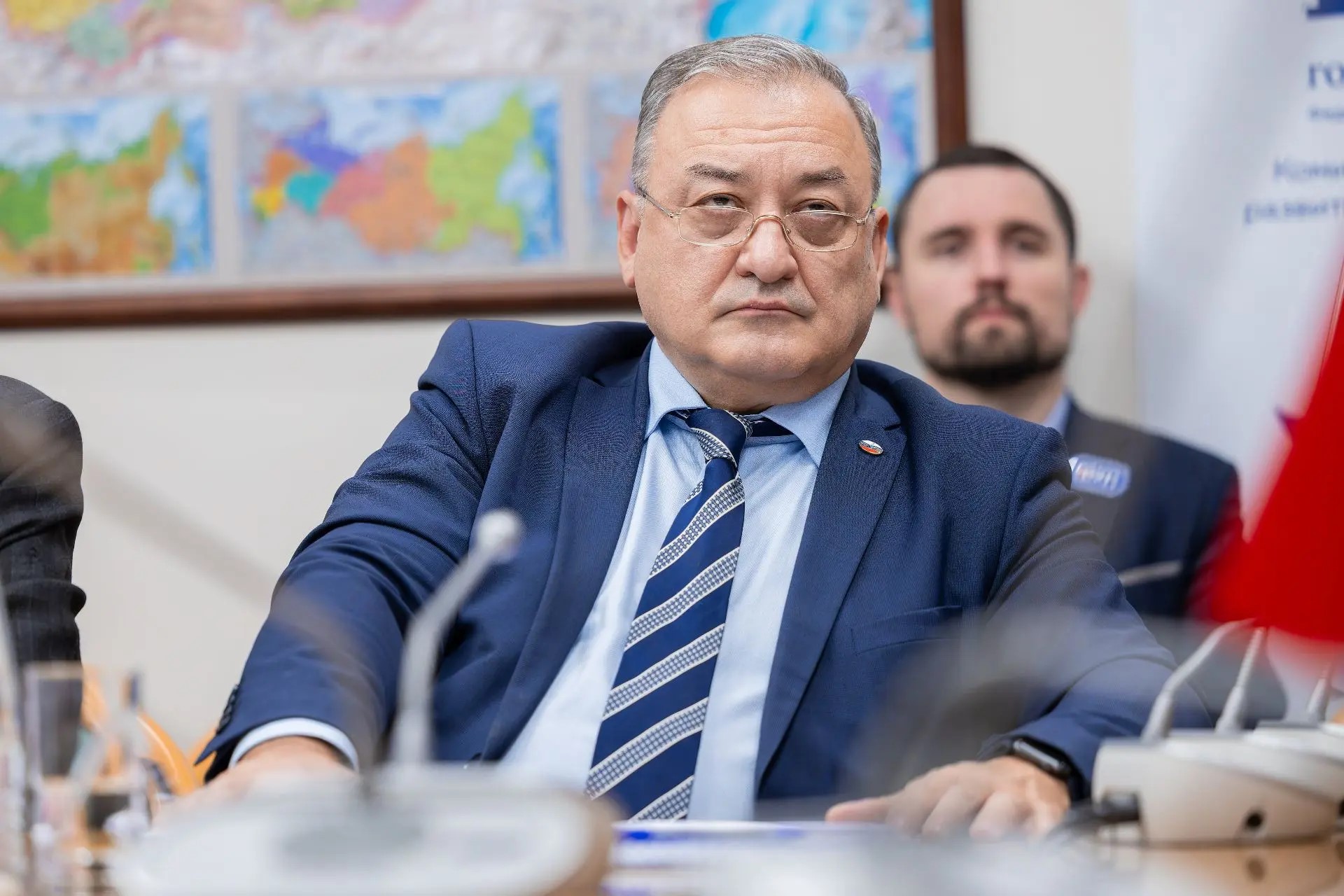
On November 19, an additional meeting of the Working Group of the Consultative Council on Labour, Employment and Social Protection of the Population of the CIS Member States was held in Minsk, Belarus. The Working Group members finalised the proposals for the draft Plan of Events for the Year of Social Development and Quality of Life in the Commonwealth in 2028. All four initiatives of the General Confederation of Trade Unions were included in the agreed package of proposals. -
The 14th FNPR Congress Sets Tasks for Upgrading the Trade Union Education System
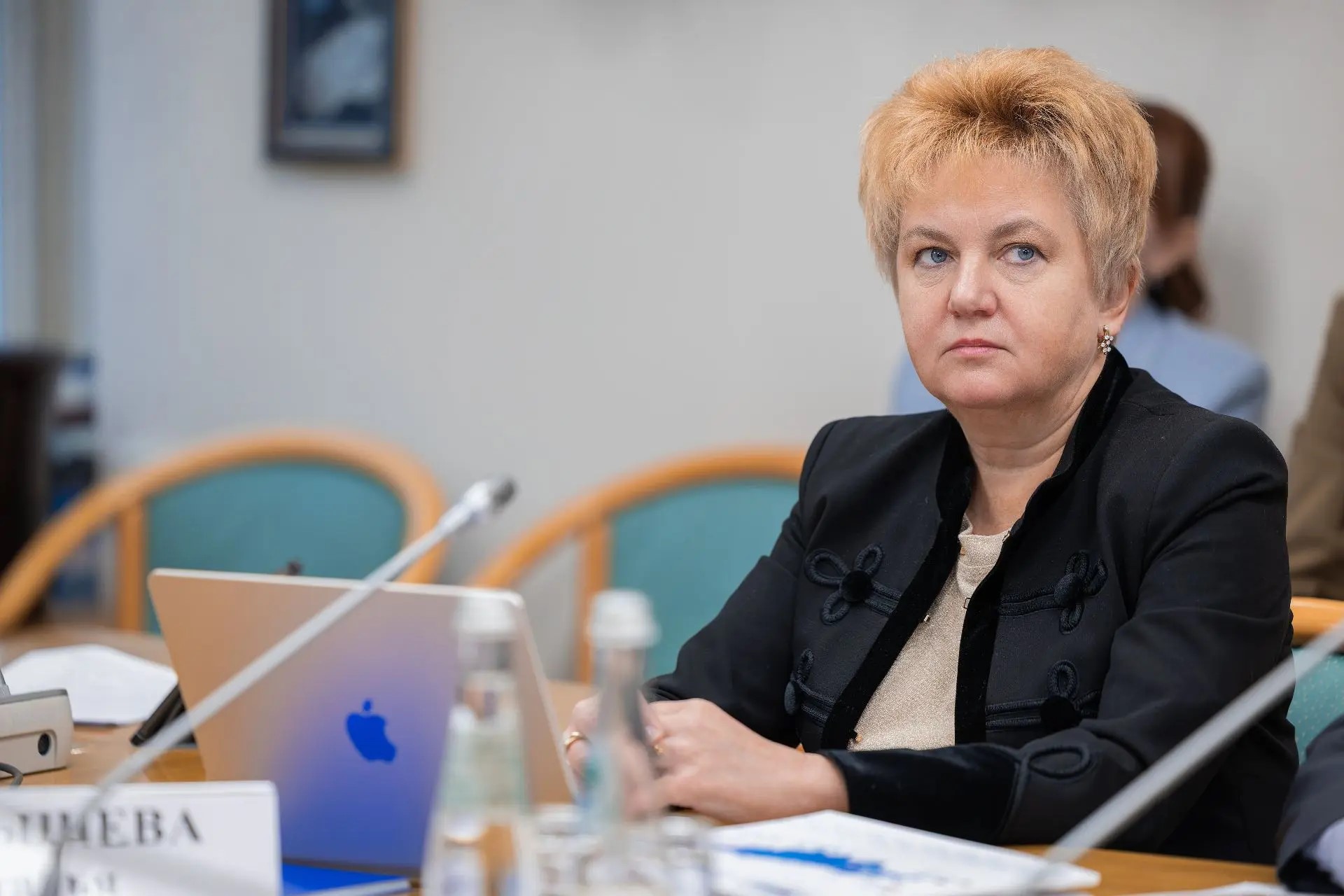
On November 18, the 14th Congress of the Federation of Independent Trade Unions of Russia (FNPR), the largest member organisation of the General Confederation of Trade Unions, was held in St Petersburg. 147 delegates attended the Congress. The main topic was increasing the effectiveness of trade union education and science. -
"Solidarity" to Help Promote the Interests of the Person of Labour in the State Duma
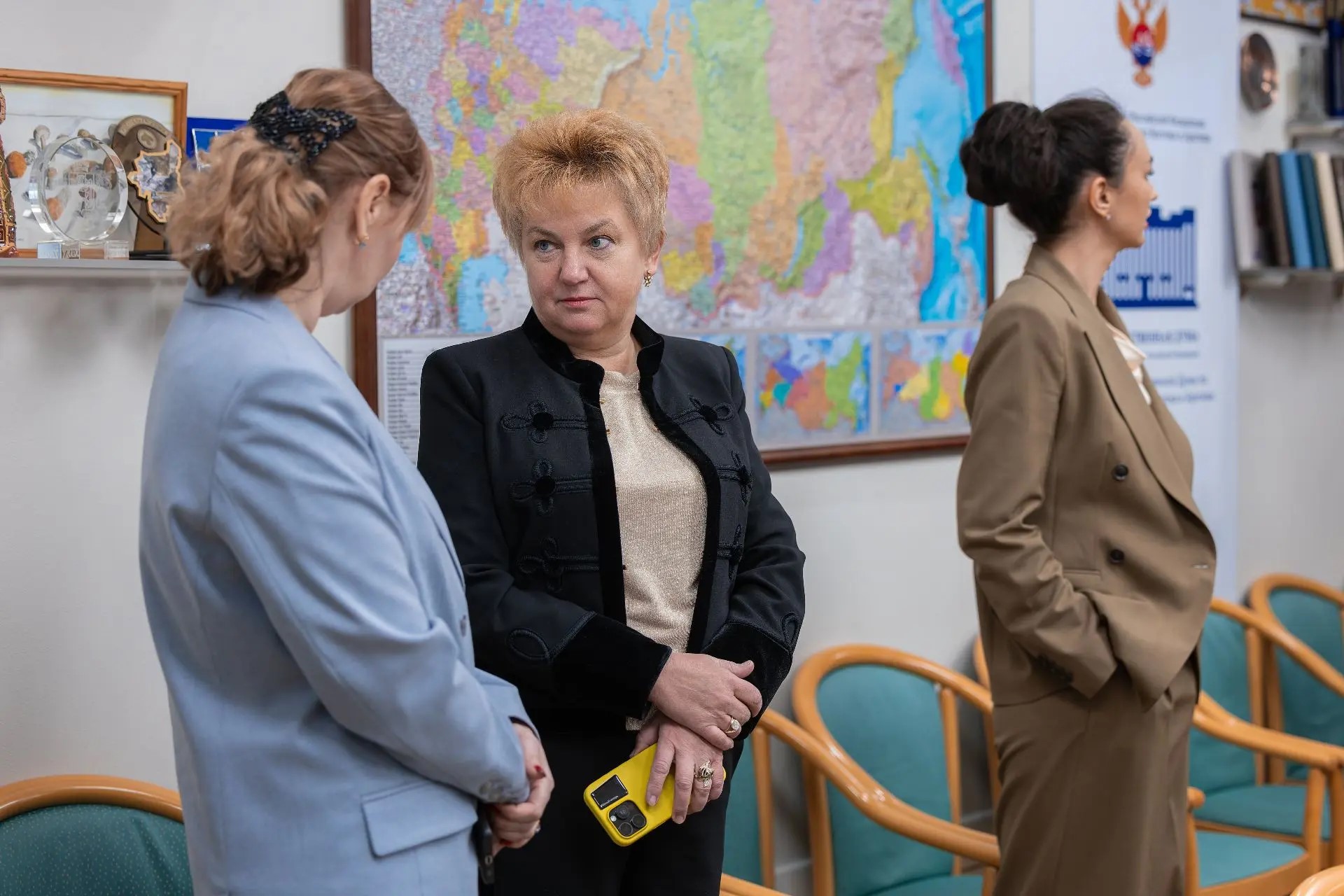
Viktor Pinsky, General Secretary of the General Confederation of Trade Unions (GCTU) and State Duma deputy, emphasised the importance of the "Solidarity" cross-party working group for protecting workers' interests and improving labour legislation. The group's organisational meeting took place on 12 November in Moscow, in the State Duma of the Russian Federation.