

Work Begins on a Unified Methodology for Calculating the Minimum Consumer Budget
The minimum consumer budget must reflect workers' actual expenditures depending on their country of residence. This was the focus of discussion at the first meeting of the GCTU Executive Committee's working group in Moscow, which has begun developing a unified methodology for calculating the minimum consumer budget. The meeting brought together representatives of trade union organisations from Russia, the Republic of Belarus, the Republic of Uzbekistan, the Republic of Kazakhstan and the Kyrgyz Republic.
Today, the minimum wage in almost all CIS countries is calculated on the basis of the consumer basket. The bulk of such a basket consists of the cost of food necessary for bare survival. The participants of the meeting agreed on one point: this approach is outdated, and the working group must set a new, higher benchmark.
Opening the discussion, Margarita Usova identified the core problem: the existing consumer basket calculations are morally obsolete and, in essence, condemn the worker to mere survival.
"As of today, the existing methodologies for calculating consumer baskets are morally outdated. The contents of consumer baskets condemn the worker to a state of 'survival'. They fail to reflect contemporary socio-economic realities, the growth of paid services and family burdens, which makes their urgent modernisation imperative. The question of including in the basket the actual costs of reproducing the labour force, and of bringing the standards into line with real indicators, must be considered," said Margarita Usova, GCTU Deputy General Secretary.

According to Andrei Shvedov, the minimum consumer budget should serve as a common benchmark for the minimum wage across the Commonwealth's different countries, despite the differences in their socio-economic profiles.
"The minimum consumer budget should become a kind of integrated indicator of a decent minimum wage level, taking into account the differing socio-economic profiles of the member states of the Commonwealth of Independent States," said Andrei Shvedov, General Secretary of the International Association of Trade Unions of Workers in the Mining and Metallurgical Industry ("Soyuzmetall").
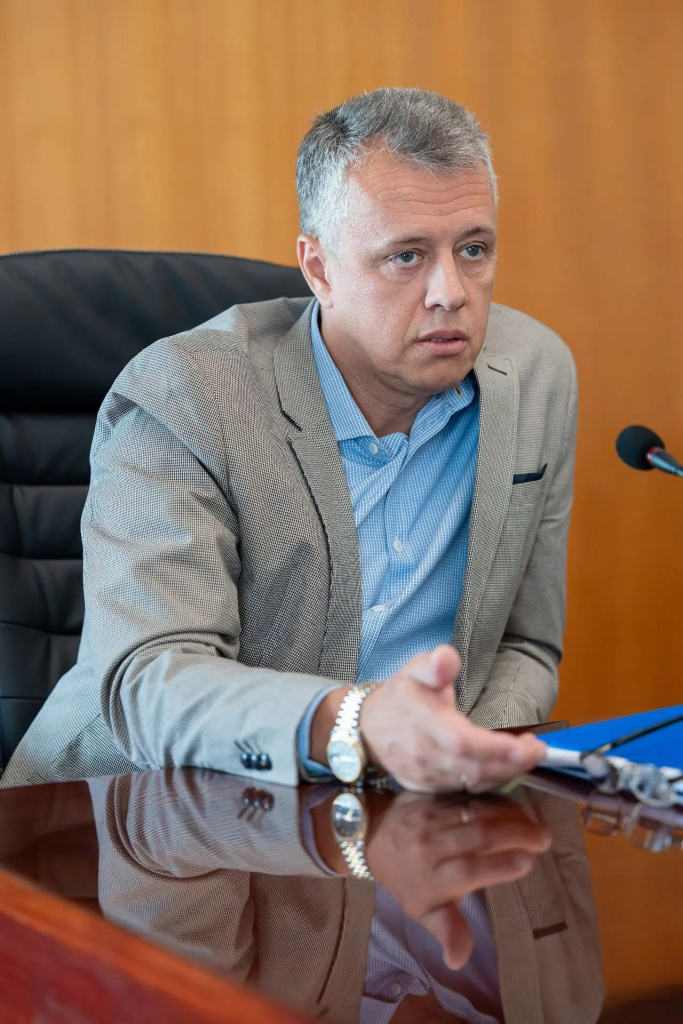
One of the discussion's key turning points was the shift from a quantitative approach to a qualitative one. The point is not how many calories a person consumes, but what they actually consume and what they need in order to develop - not merely to get to work and back.
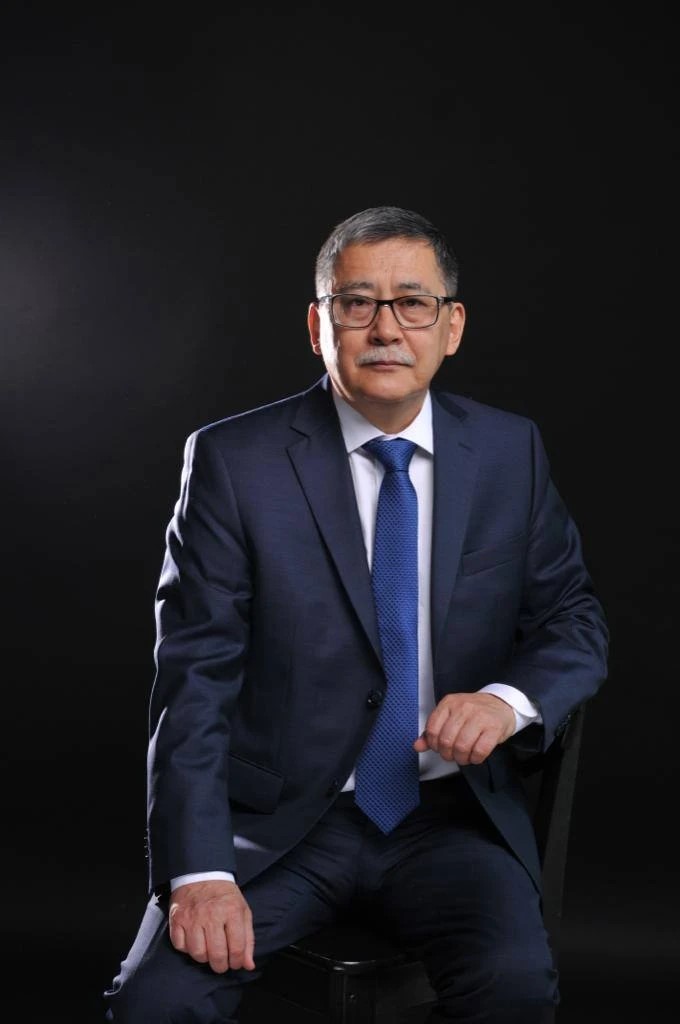
"Today, a person's consumption should sustain their development - not simply enable them to come to work, do their shift and return home. At the same time, the guide should not be the number of kilocalories - a person cannot consume more than 2,400 kilocalories a day without harming their health but it’s the quality of that consumption that should interest us. To achieve this, we need to study what people actually consume and what they themselves put into their consumer basket, including healthcare, education and tourism services. This will make it possible to establish a social standard that meets the vital needs of working people," said Meiram Kazhyken, Advisor to the General Secretary of the Kazakhstan Confederation of Labour on Economic Affairs and Professor at the Higher School of Economics of the International University "Astana".
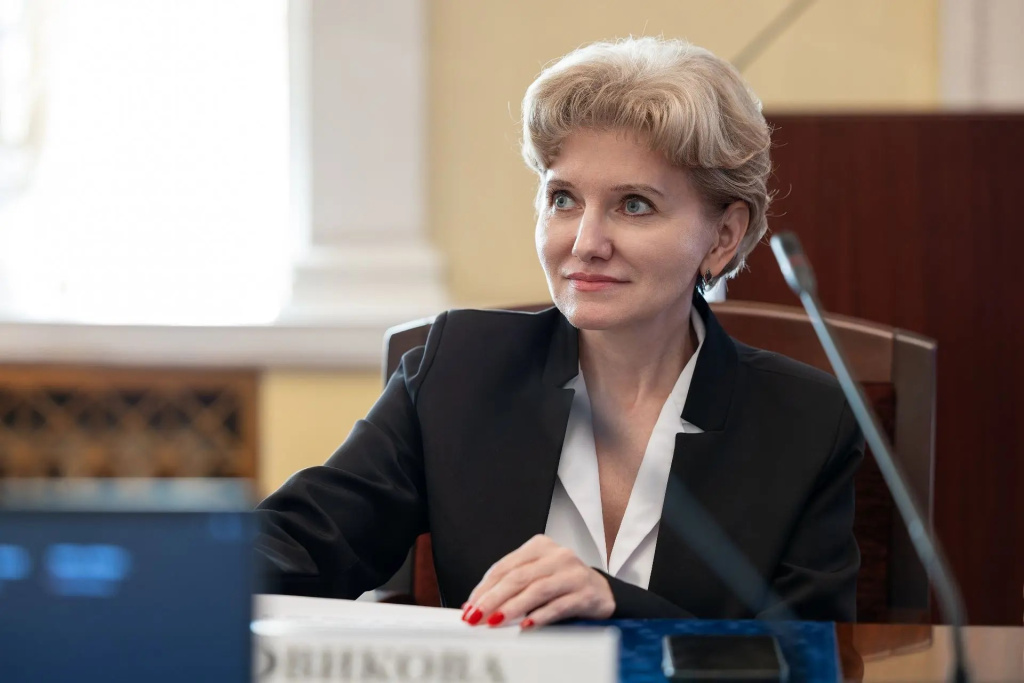
This thesis was developed further in the remarks of the healthcare union's representative: what matters is to protect not just the calorie count but the very quality of nutrition, and to prevent cheap calories from crowding meat, fish, dairy products, vegetables and fruit out of the diet.
"The consumer basket must be not merely sufficient in calories but complete in its composition. It must include a share of foods that cannot be replaced with cheaper sources of calories without adverse consequences. This is particularly important amid rising prices. We could end up in a paradoxical situation: a person formally continues to receive the required number of calories but is forced to cut back on meat, fish, dairy products, vegetables and fruit and switch to cheaper, high-energy foods. In terms of arithmetic, the calorie intake may hold steady; from a public health perspective, the quality of nutrition will deteriorate. Therefore, when calculating the consumer basket, it is essential to protect minimum volumes of key food groups and prevent their actual displacement by cheaper sources of energy. And this, I believe, is precisely the principle I would propose as the foundation of our group's further work: not the minimum possible diet, but the minimum necessary healthy diet," said Svetlana Novikova, Head of the Department of Economic Development and Regulatory Regulation in Healthcare at the Trade Union of Healthcare Workers of the Russian Federation.
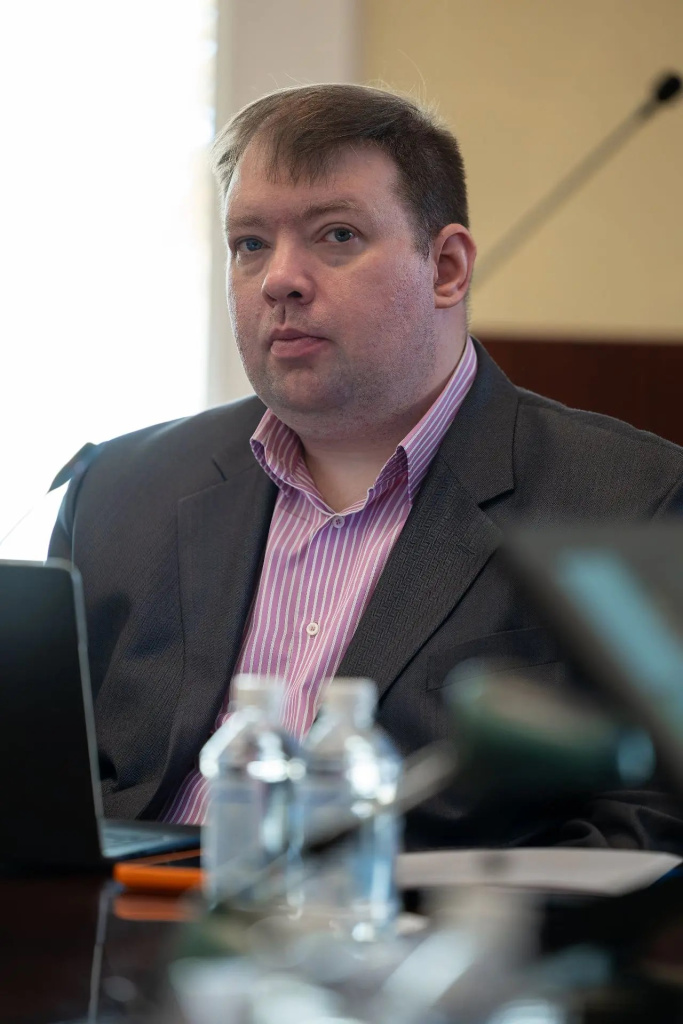
The Federation of Independent Trade Unions of Russia representative presented calculations demonstrating the gap between the official subsistence minimum and what the trade unions consider a decent minimum wage.
"According to the Federation of Independent Trade Unions of Russia estimations for the second quarter of 2026, a decent minimum wage at the level of the minimum consumer budget in the Russian Federation should be at least 65,200 roubles. This figure is 3.15 times the subsistence minimum for the working-age population over the same period. Modern technologies offer extensive capabilities for promptly tracking workers' needs, which opens up new opportunities for the widespread implementation of the principles of decent pay," said Anton Alekseev, Chief Specialist of the Socio-Economic Policy Group at the Department of Social and Labour Relations and Social Partnership of the Federation of Independent Trade Unions of Russia.
Members of the working group then described their national approaches to calculating consumer expenditures.
In Uzbekistan, the basket is treated above all as an instrument for identifying poverty and targeting social protection, and its composition is based on actual purchase prices rather than averaged national ones.
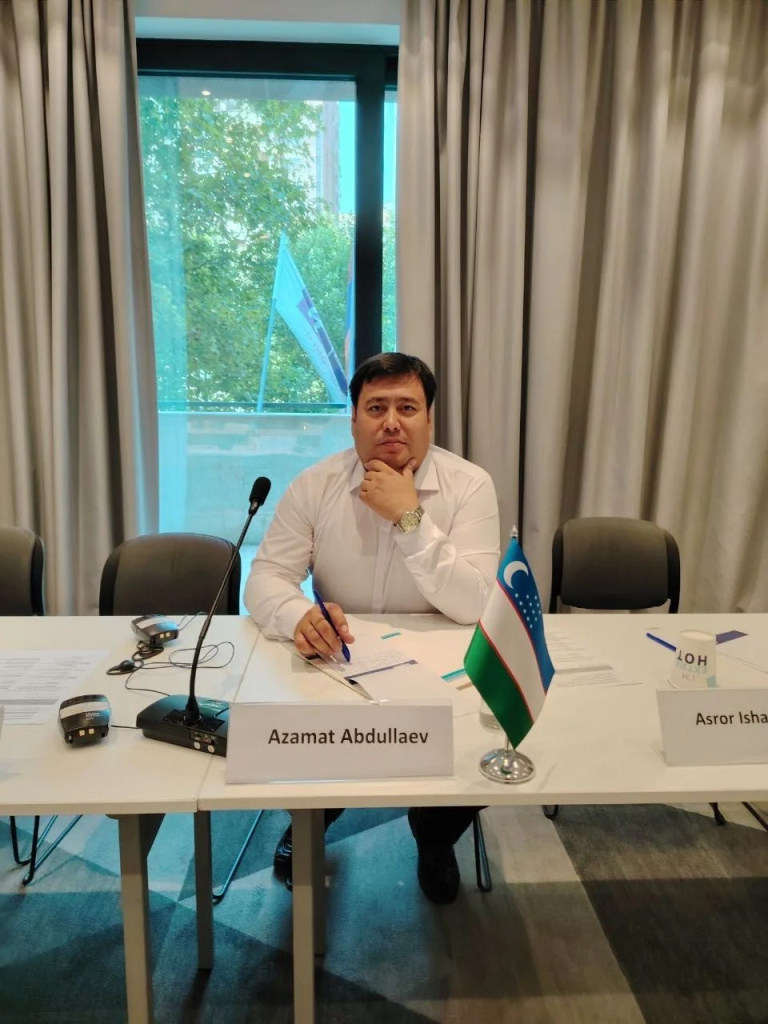
"The primary purpose of calculating the consumer basket in the Republic of Uzbekistan is to identify the poor or those in need of social protection and to shape state policy for meeting socio-economic needs. The list of essential foods is determined by the specifics of the population's consumption patterns and the calorie content of traditional local foods. Moreover, when calculating minimum consumer expenditures, it is not average national food prices that are taken into account, but the prices at which consumers themselves make their purchases. The preliminarily estimated level of minimum consumer expenditures under the applied methodology stands at 27 per cent of per capita GDP," said Azamat Abdullaev, Chief Specialist of the Department for the Protection of the Socio-Economic Interests of Workers at the Federation of Trade Unions of Uzbekistan.
Kyrgyzstan, for its part, is betting on household survey data: in the view of the republic's trade unions, such data reflect the real structure of different families' expenditures more accurately than normative calculations.
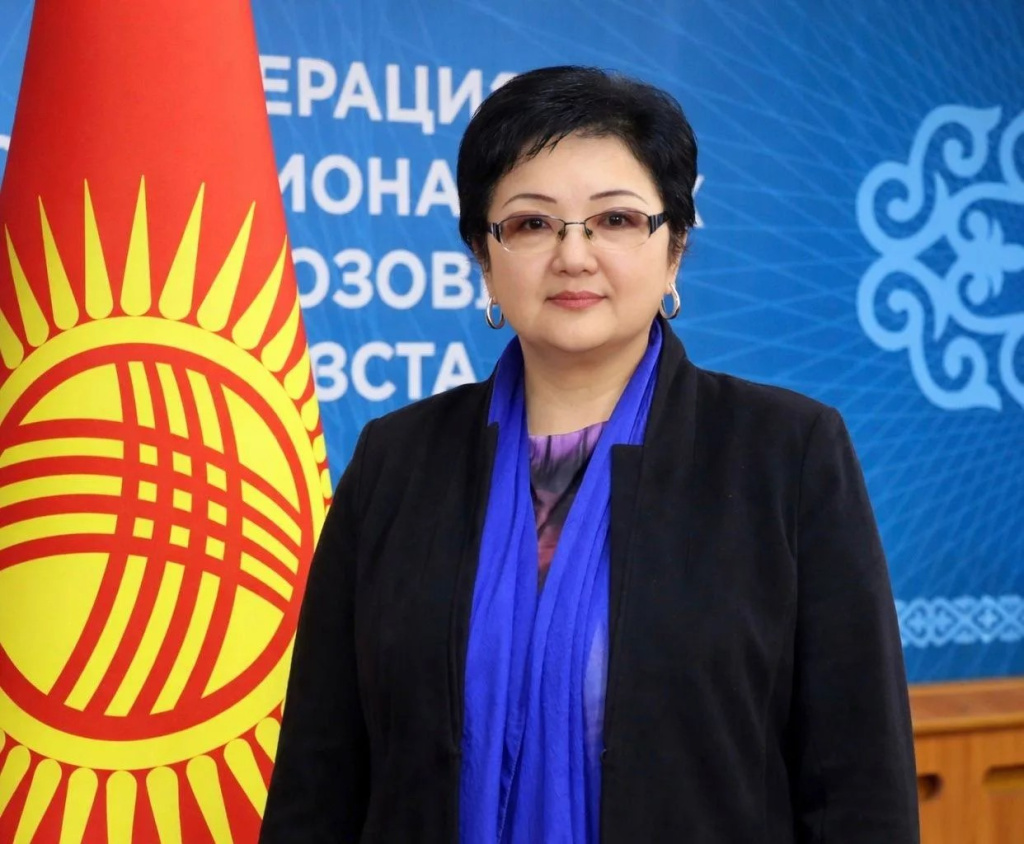
"Actual household survey data can and should be used as one of the primary sources in shaping the structure of the minimum consumer budget. They make it possible to determine which expenditures are truly significant for families, to identify differences between urban and rural populations and between families of different composition and income levels, and, on this basis, to build a more realistic and socially grounded consumer basket. We hope that the development of a Unified Methodology for Calculating the Minimum Consumer Budget will make it possible to establish an objective, transparent and socially substantiated approach to determining the population's minimum necessary expenditures — one that takes into account both the normative needs of individuals and families and the actual structure of household consumption — and that in the future it will become a reliable foundation for improving state policy in the sphere of wages, social protection and raising living standards," said Saltanat Mambetova, Head of the Social Protection Department at the Federation of Trade Unions of Kyrgyzstan.
The participants also discussed, separately, one possible method for calculating the minimum wage: pegging it to the country's median wage level. In the view of the Belarusian representative, this method has clear advantages but also hidden risks.
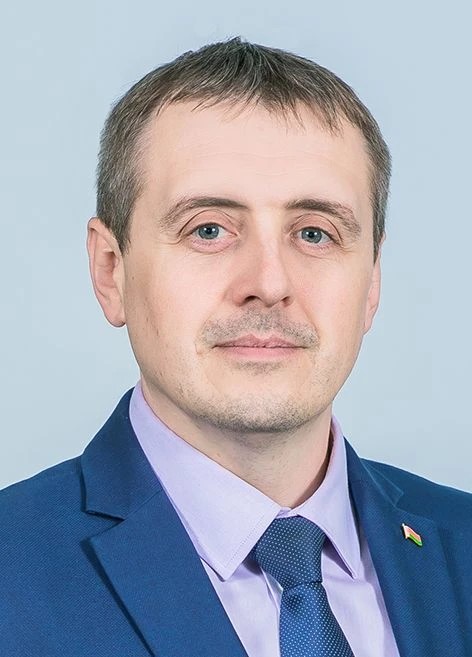
"The method of calculating the minimum wage as a share of the median wage has certain advantages, but it also carries certain risks. This method ensures that the minimum wage rises in step with the overall wage level and helps narrow the gap between low and average labour incomes. At the same time, it may weaken workers' motivation to upgrade their skills and may encourage some employers to substitute civil-law arrangements for employment relationships in order to cut their costs," said Dmitry Alekseychik, Head of the Main Directorate for Social Partnership and Labour Relations at the Federation of Trade Unions of Belarus.
A further argument in favour of revising the existing approaches came from the representative of the "Belenergotopgaz" trade union: climatic conditions must be taken into account when setting regional coefficients for wages, benefits and pensions.
"Climatic conditions must be factored in when developing new minimum wage standards. Climate is an objective biological and geographical constant, whereas all other factors are variables. Zoning by natural and climatic conditions is necessary for calculating regional coefficients to wages, benefits and pensions. Taking climate into account makes it possible to ensure not nominal but real equality of social guarantees and of citizens' purchasing power, wherever they may live," said Alexander Kravchenko, Chairman of the "Belenergotopgaz" trade union.

The final part of the meeting was devoted to translating the new approaches into practice — into concrete legislative and collective bargaining mechanisms.
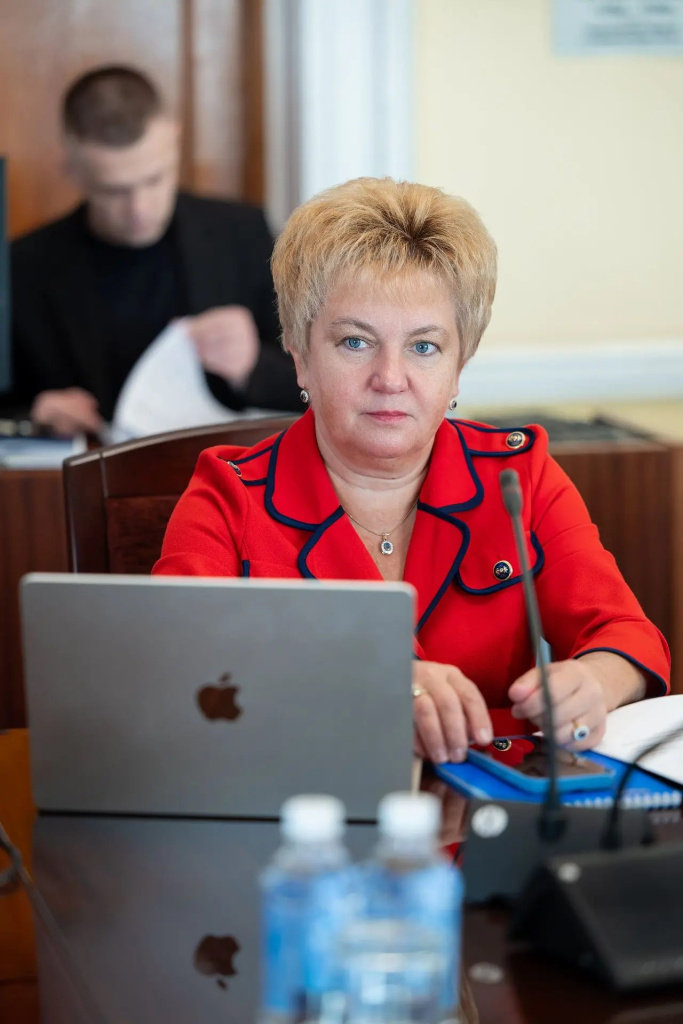
In Natalya Chernysheva's view, the model law of the Inter-Parliamentary Assembly of the CIS needs to be updated and reoriented towards a new goal: establishing the minimum wage on the basis of a higher social standard — the minimum consumer budget.
"It is necessary to initiate an update of the Inter-Parliamentary Assembly of the CIS model law 'On the Minimum Consumer Budget', but this time in relation to the goal we are pursuing - articulating a new approach to setting the minimum wage level. Accordingly, the draft law should be given a new title: 'On the Minimum Wage'. On this basis, the issue can be pursued in the national and international legislative and executive bodies of the Commonwealth countries. This would provide valuable support for the implementation of the new solidarity campaign of the General Confederation of Trade Unions: 'Minimum Wage - at No Less Than the Minimum Consumer Budget Level'," said Natalya Chernysheva, Chairwoman of the International Confederation of Trade Unions of Workers in Trade, Public Catering, Consumer Cooperation and Various Forms of Entrepreneurship.
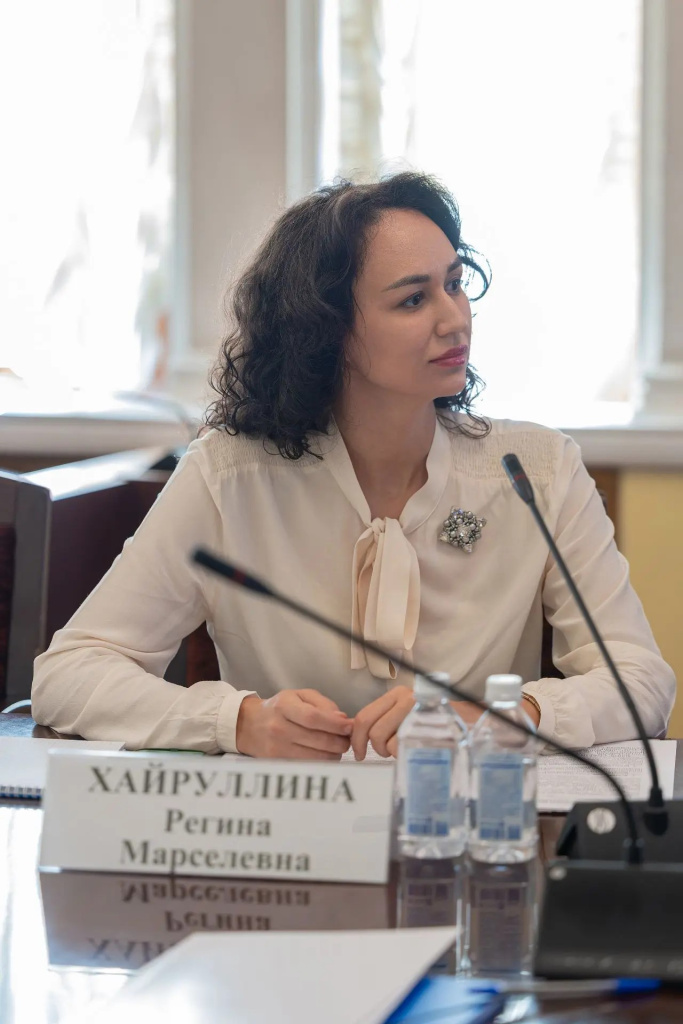
Regina Khairullina presented an analysis of the general agreements currently in force in the CIS states: according to her data, the minimum consumer budget is mentioned in only two of them - Russia and Armenia.
"An analysis of the current general agreements of the CIS member states has shown that the minimum consumer budget is mentioned in only two countries - Russia and Armenia. Trade unions need to insist that proposals on establishing the minimum consumer budget as the key benchmark for wages be included in the general agreements," said Regina Khairullina, Chief Specialist at the GCTU Legal Department.
Work on the unified methodology for calculating the minimum consumer budget will continue within the GCTU Executive Committee's temporary working group.
GCTU News
-
President of Russia Vladimir Putin Presents the Order of Honour to Viktor Pinsky
Viktor Pinsky, a member of the Russian State Duma and General Secretary of the General Confederation of Trade Unions (GCTU), has been awarded the Order of Honour. The award was presented by Vladimir Putin, President of the Russian Federation.
"My sincere congratulations! I am glad that your work has been duly recognised by the country's leadership," Vladimir Putin said as he presented the award to Viktor Pinsky.
The ceremony took place today in the St George's Hall of the Kremlin in Moscow.
-
Margarita Usova presents GCTU initiatives at the “Trade Unions. 21st Century” forum
On October 8, Sochi is hosting the 8th All-Russian Intelligence Forum “Trade Unions. 21st Century. An Era of Change.” For the third year running, the General Confederation of Trade Unions is the forum's general partner.
-
GCTU takes part in EEC Advisory Committee meeting on social security for workers
On October 8, Moscow hosted the ninth meeting of the Advisory Committee on Social Security, Pension Rights, Medical Care, and Professional Activities of Workers of the Eurasian Economic Union (EAEU) member states, held at the Eurasian Economic Commission (EEC).