

Role of Public Diplomacy in International Relations Discussed in Russia’s State Duma
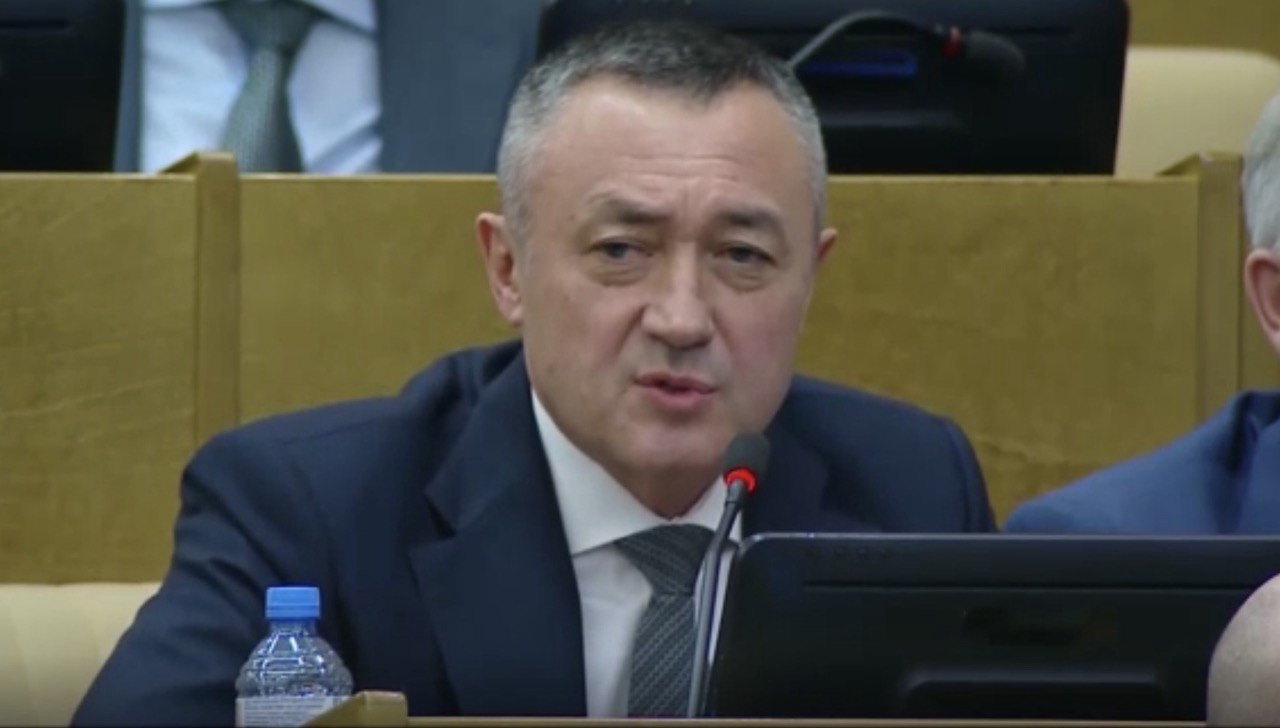
Diplomacy takes many forms, but its core purpose is to maintain dialogue, identify common interests, and bring them to fruition, stated Russian Foreign Minister Sergey Lavrov. He was responding to a question from the State Duma Deputy and General Secretary of the General Confederation of Trade Unions Viktor Pinsky regarding the role and significance of public diplomacy in strengthening peace, stability, and good-neighborly relations.
More diplomacy is always better. There is no such thing as too much diplomacy—whether it is state diplomacy, presidential diplomacy, parliamentary diplomacy, or, of course, public diplomacy. There is also scientific, humanitarian, and cultural diplomacy. There are many forms existing. The essence of all types of diplomacy is to maintain dialogue, seek common interests, and implement them in practice,” Lavrov emphasized.
The topic of public diplomacy was discussed on February 11 during the government hour in Russia’s State Duma, with the participation of the Minister of Foreign Affairs.
“We regularly hold meetings with non-governmental organizations in our ministry. I personally hold such meetings on an annual basis, and my deputies and department heads engage daily with numerous public diplomacy projects. I believe the more such projects, the better,” the Russian Foreign Minister stressed.
Viktor Pinsky noted that international trade union associations serve as a good example of an effective and in-demand public diplomacy.
Trade unions exchange experiences in protecting labor rights, social guarantees, and economic interests of citizens. This practical, constructive work unites people from different countries around the shared values of social justice. Such dialogue contributes to shaping a positive international agenda,” Pinsky said.
GCTU News
-
President of Russia Vladimir Putin Presents the Order of Honour to Viktor Pinsky
Viktor Pinsky, a member of the Russian State Duma and General Secretary of the General Confederation of Trade Unions (GCTU), has been awarded the Order of Honour. The award was presented by Vladimir Putin, President of the Russian Federation.
"My sincere congratulations! I am glad that your work has been duly recognised by the country's leadership," Vladimir Putin said as he presented the award to Viktor Pinsky.
The ceremony took place today in the St George's Hall of the Kremlin in Moscow.
-
Margarita Usova presents GCTU initiatives at the “Trade Unions. 21st Century” forum
On October 8, Sochi is hosting the 8th All-Russian Intelligence Forum “Trade Unions. 21st Century. An Era of Change.” For the third year running, the General Confederation of Trade Unions is the forum's general partner.
-
GCTU takes part in EEC Advisory Committee meeting on social security for workers
On October 8, Moscow hosted the ninth meeting of the Advisory Committee on Social Security, Pension Rights, Medical Care, and Professional Activities of Workers of the Eurasian Economic Union (EAEU) member states, held at the Eurasian Economic Commission (EEC).