

Viktor Pinsky: “Trade Unions of the CIS Countries Propose Setting a Higher Minimum Wage Standard”
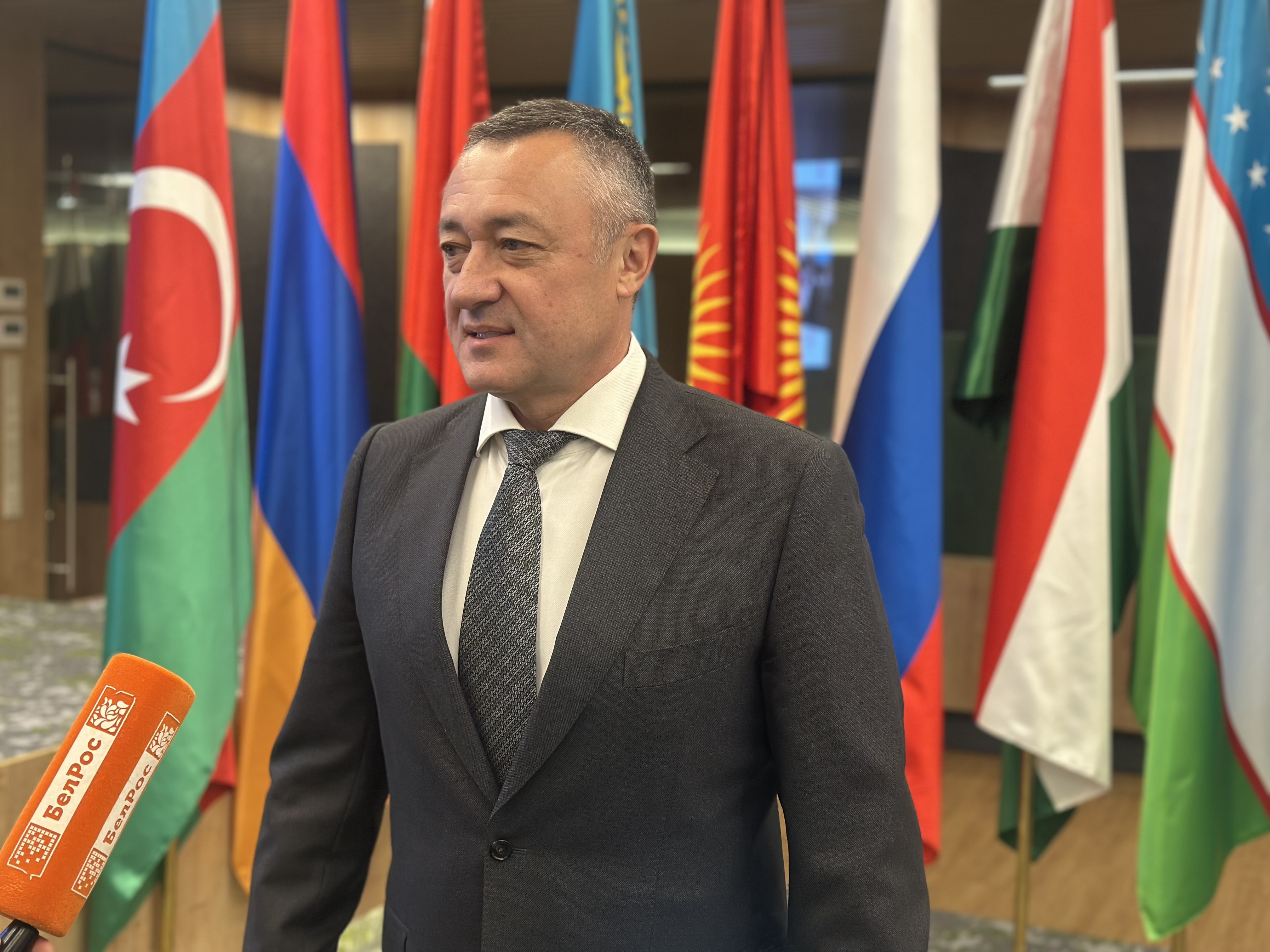
The minimum wage in the countries of the Commonwealth of Independent States should reach a level that ensures a fulfilling life for citizens, said Viktor Pinsky, deputy of the State Duma of Russia, Secretary General of the General Confederation of Trade Unions. According to the deputy, the minimum wage should be brought to the level of the minimum consumer budget.
“In almost all CIS countries, the minimum wage has increased tenfold over the past twenty years and reached the minimum subsistence level, for example, in Uzbekistan this figure has increased 195 times. Today, the unions of the Commonwealth have a new goal – to make sure that wages take into account real prices and living expenses in each specific country. Therefore, the trade unions are launching a new campaign, the purpose of which is to achieve an increase in the minimum wage to the level of the minimum consumer budget,” Viktor Pinsky said at a meeting of the GCTU Executive Committee, which took place in Moscow on December 8.
The CIS trade unions propose to recalculate the consumer budget so that it takes into account the real living costs in each country: high-quality food, an up-to-date range of essential goods and services. The size of the consumer budget should grow along with the prices of the goods and services included in it.
At the meeting of the GCTU Council, trade union leaders from 7 CIS countries – Armenia, Belarus, Kazakhstan, Kyrgyzstan, Russia, Tajikistan and Uzbekistan discussed the results of the campaign “Minimum Wage – to the Minimum Subsistence Level”, the goals of the campaign “Minimum Wage – to the Minimum Consumer Budget Level” and other relevant socio-economic topics.
GCTU News
-
President of Russia Vladimir Putin Presents the Order of Honour to Viktor Pinsky
Viktor Pinsky, a member of the Russian State Duma and General Secretary of the General Confederation of Trade Unions (GCTU), has been awarded the Order of Honour. The award was presented by Vladimir Putin, President of the Russian Federation.
"My sincere congratulations! I am glad that your work has been duly recognised by the country's leadership," Vladimir Putin said as he presented the award to Viktor Pinsky.
The ceremony took place today in the St George's Hall of the Kremlin in Moscow.
-
Margarita Usova presents GCTU initiatives at the “Trade Unions. 21st Century” forum
On October 8, Sochi is hosting the 8th All-Russian Intelligence Forum “Trade Unions. 21st Century. An Era of Change.” For the third year running, the General Confederation of Trade Unions is the forum's general partner.
-
GCTU takes part in EEC Advisory Committee meeting on social security for workers
On October 8, Moscow hosted the ninth meeting of the Advisory Committee on Social Security, Pension Rights, Medical Care, and Professional Activities of Workers of the Eurasian Economic Union (EAEU) member states, held at the Eurasian Economic Commission (EEC).