

Belarusian Unions Step Up Fight Against Workplace Injuries
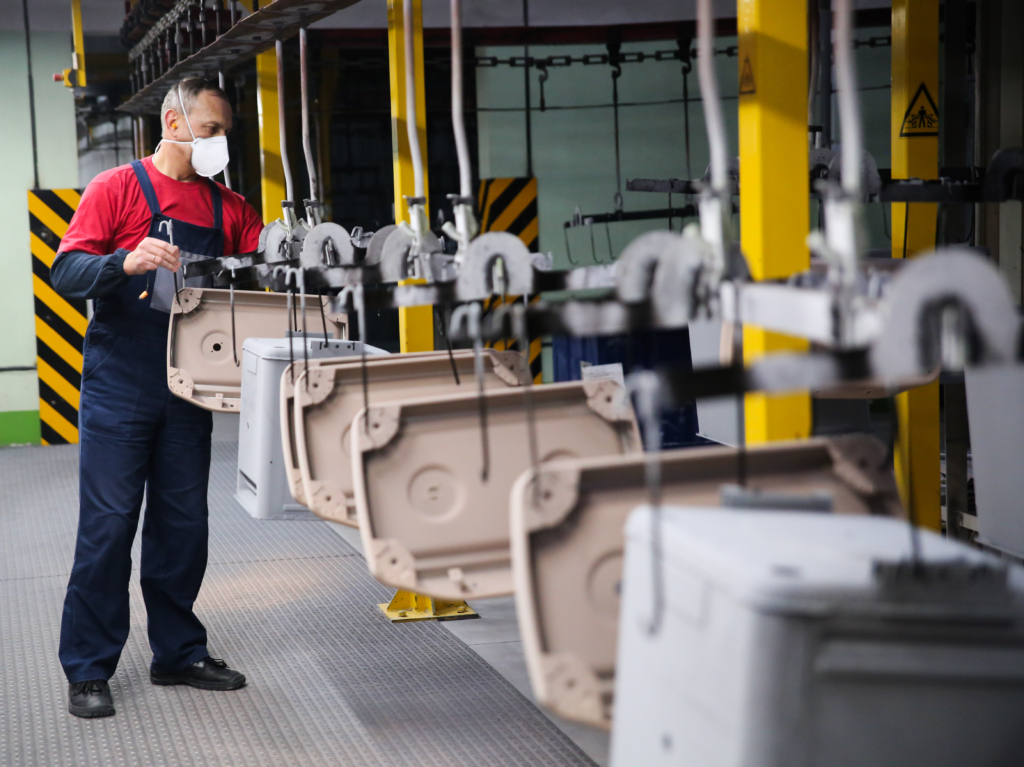
"Trade unions carry out extensive preventive work together with social partners. Nevertheless, occupational injury issues remain relevant across almost all industries. Despite stricter accountability for compliance with labor safety laws and incentive measures, violations are still quite common. Based on our experience, we see the need to strengthen explanatory work in workplaces and to analyze cases and nuances of safety regulations directly at workplaces," said Anna Varfolomeieva, Secretary for International Affairs of the Federation of Trade Unions of Belarus.
The main cause of injuries is still human factor, meaning the neglect of safety measures, carelessness, and alcohol intoxication.
Trade unions continuously work to improve occupational safety. In the first 6 months of this year, labor technical inspectors conducted over 4,200 inspections and monitoring visits at organizations and enterprises to check compliance with labor safety legislation. More than 29,000 violations were identified.
At the Council meeting, it was decided to deepen the work on consulting employers and assisting them in creating safe working conditions.
GCTU News
-
President of Russia Vladimir Putin Presents the Order of Honour to Viktor Pinsky
Viktor Pinsky, a member of the Russian State Duma and General Secretary of the General Confederation of Trade Unions (GCTU), has been awarded the Order of Honour. The award was presented by Vladimir Putin, President of the Russian Federation.
"My sincere congratulations! I am glad that your work has been duly recognised by the country's leadership," Vladimir Putin said as he presented the award to Viktor Pinsky.
The ceremony took place today in the St George's Hall of the Kremlin in Moscow.
-
Margarita Usova presents GCTU initiatives at the “Trade Unions. 21st Century” forum
On October 8, Sochi is hosting the 8th All-Russian Intelligence Forum “Trade Unions. 21st Century. An Era of Change.” For the third year running, the General Confederation of Trade Unions is the forum's general partner.
-
GCTU takes part in EEC Advisory Committee meeting on social security for workers
On October 8, Moscow hosted the ninth meeting of the Advisory Committee on Social Security, Pension Rights, Medical Care, and Professional Activities of Workers of the Eurasian Economic Union (EAEU) member states, held at the Eurasian Economic Commission (EEC).