

Experience, Tradition, and Modern Approaches: Federation of Independent Trade Unions of Russia Celebrates 35th Anniversary
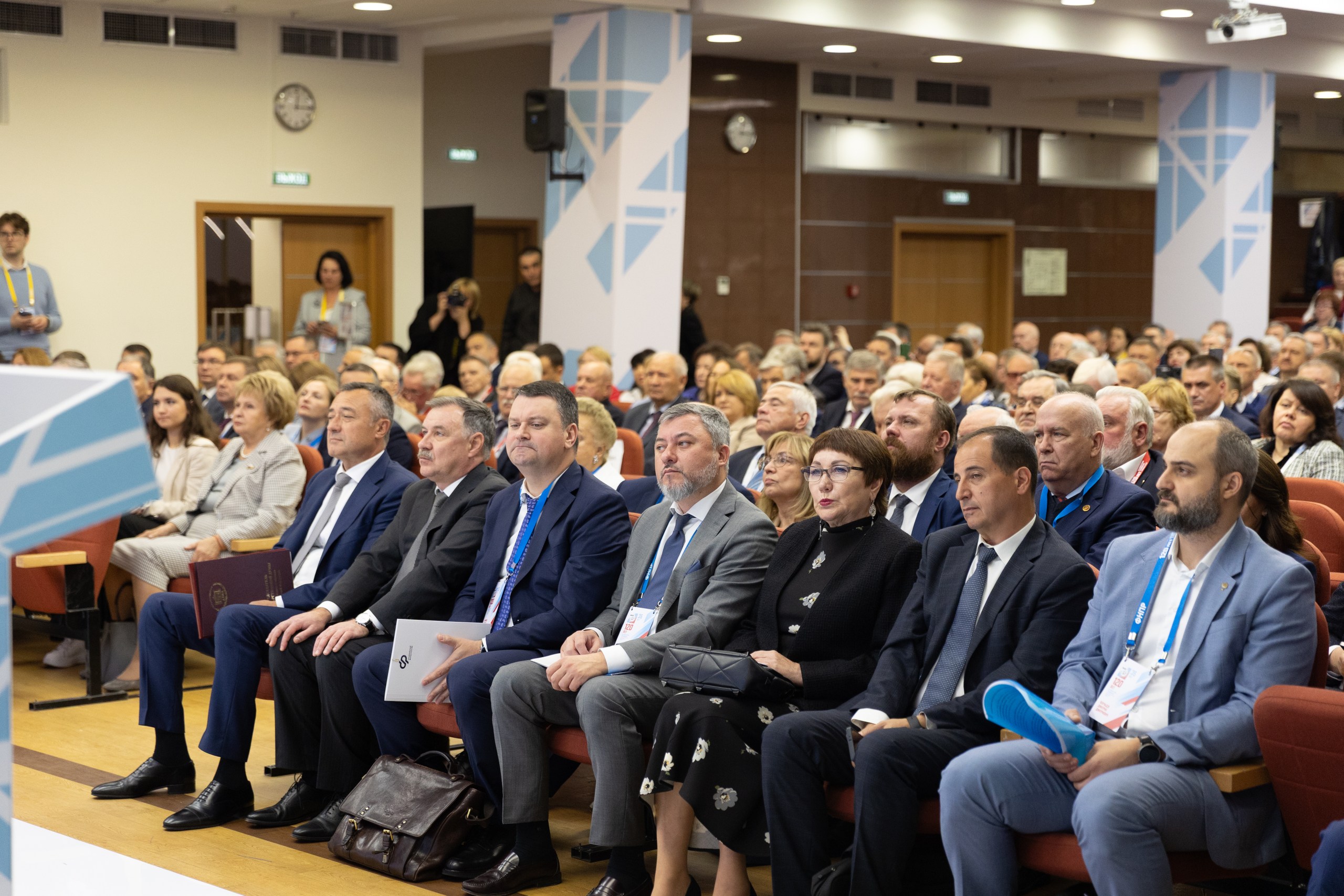
Experience, tradition, and continuity across generations form a solid foundation for the future development of Russia’s trade unions. This was stated by a State Duma Deputy and General Secretary of the General Confederation of Trade Unions Viktor Pinsky at the ceremonial General Council meeting of the Federation of Independent Trade Unions of Russia (FNPR). The event took place on September 19th in Moscow, marking two significant anniversaries: the 35th anniversary of the FNPR’s founding and the 120th anniversary of the trade union movement in Russia.
"I congratulate you on the 35th anniversary of the Federation of Independent Trade Unions of Russia! This is a special occasion for me. For more than 20 of these 35 years, I have been part of our country’s trade union movement. Since its establishment, the Federation has always fulfilled its main mission—protecting the rights and interests of working people. Together, we have defended social guarantees for Russians, fought for higher wages, and campaigned for workplace safety. The FNPR influences labor legislation and socio-economic development in our country," noted Pinsky in his speech. During the General Council meeting, he presented letters of appreciation from Vyacheslav Volodin, State Duma Chairman, to trade union leaders.
Sergey Chernogayev, head of the FNPR, delivered a keynote report on the mission, goals, and values of the trade unions.
"The mission of the FNPR is to reliably protect the social and labor rights of every worker in our country. We stand for decent work, safe working conditions, and fair pay. The Federation of Independent Trade Unions of Russia ensures legal and social security for millions of Russian workers. The FNPR unites national and interregional trade unions, territorial associations, and primary trade union organizations, working across all regions of the Russian Federation. Our mission is not just a formal commitment, but real support and development of Russia’s human capital, as well as our care for the life quality of union members and their families," he explained.
Russian President Vladimir Putin sent a congratulatory address to the FNPR activists, emphasizing the significant role of trade unions in protecting workers’ rights and strengthening social stability.
"Russia’s trade union movement has a rich history and wonderful traditions. Trade unions have always played a crucial role in protecting the rights and interests of workers, and over the years it has done a lot to improve labor legislation and addressed crucial social issues. It is heartening that the Federation of Independent Trade Unions of Russia preserves and develops the legacy of its predecessors and is rightfully considered one of the most important and key institutions of civil society in our country. You make a significant contribution to strengthening social stability and justice, harmonizing labor relations in Russia, and building constructive dialogue between the state, employer associations, and trade unions. Such diverse and in-demand work deserves deep recognition," the message stated.
The Federation of Independent Trade Unions of Russia is the largest member organization of the General Confederation of Trade Unions. The national trade union center represents 19 million workers from 44 trade unions operating in 86 regions of the country. The Federation participates in the development of model legislation for the Commonwealth of Independent States (CIS), and actively and consistently collaborates with trade union centers in CIS, Eurasian Economic Union (EAEU), and BRICS countries.
GCTU News
-
President of Russia Vladimir Putin Presents the Order of Honour to Viktor Pinsky
Viktor Pinsky, a member of the Russian State Duma and General Secretary of the General Confederation of Trade Unions (GCTU), has been awarded the Order of Honour. The award was presented by Vladimir Putin, President of the Russian Federation.
"My sincere congratulations! I am glad that your work has been duly recognised by the country's leadership," Vladimir Putin said as he presented the award to Viktor Pinsky.
The ceremony took place today in the St George's Hall of the Kremlin in Moscow.
-
Margarita Usova presents GCTU initiatives at the “Trade Unions. 21st Century” forum
On October 8, Sochi is hosting the 8th All-Russian Intelligence Forum “Trade Unions. 21st Century. An Era of Change.” For the third year running, the General Confederation of Trade Unions is the forum's general partner.
-
GCTU takes part in EEC Advisory Committee meeting on social security for workers
On October 8, Moscow hosted the ninth meeting of the Advisory Committee on Social Security, Pension Rights, Medical Care, and Professional Activities of Workers of the Eurasian Economic Union (EAEU) member states, held at the Eurasian Economic Commission (EEC).