

General Confederation of Trade Unions Proposes Securing Trade Union Rights in Enterprise Bankruptcy
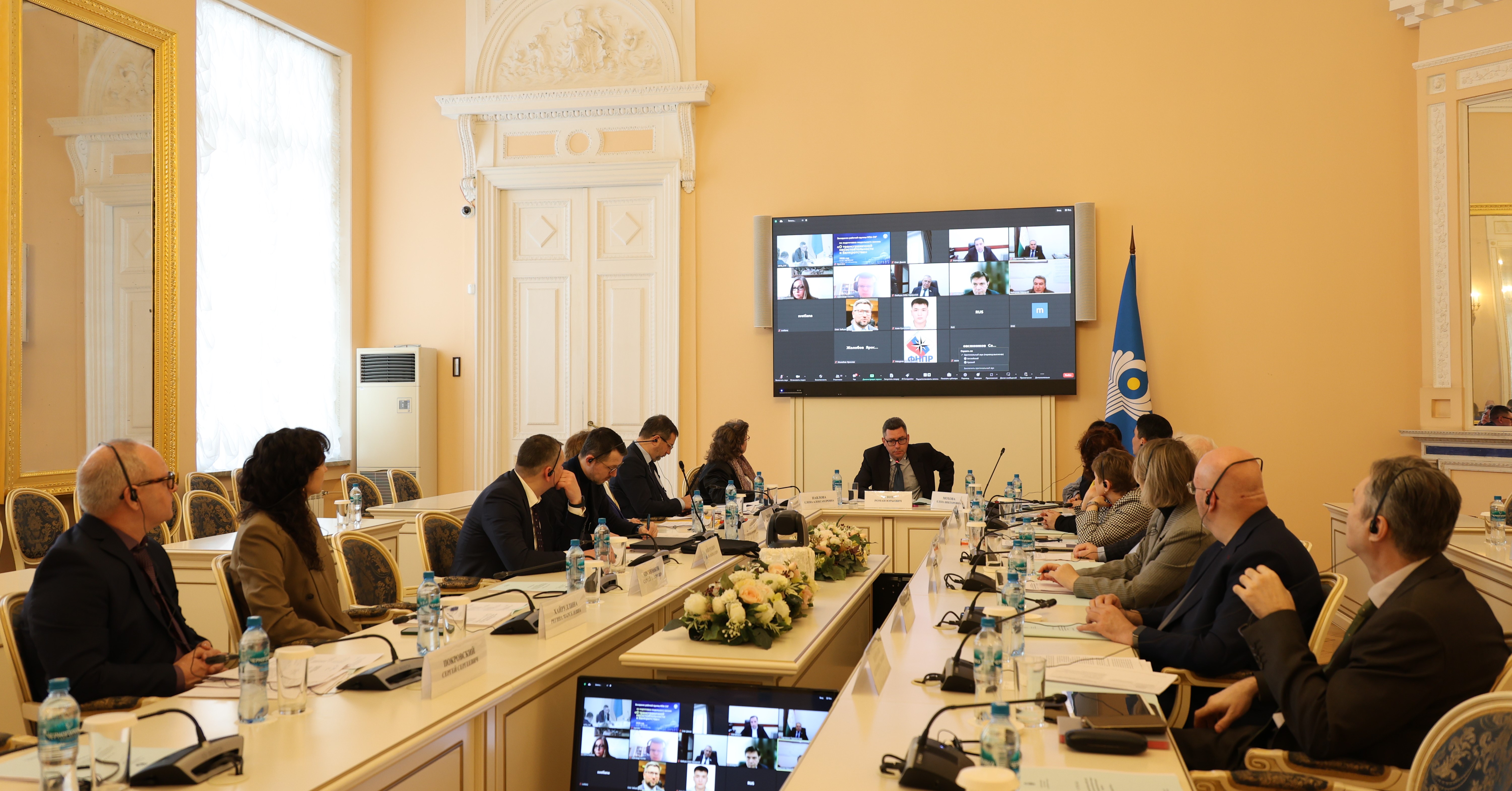
The General Confederation of Trade Unions’ (GCTU) proposals are reflected in the draft CIS model law “On Cross-Border Insolvency and Bankruptcy.”
Trade unions must have the right to represent and protect workers’ interests in the bankruptcy of international companies, according to Viktor Pinsky, Member of the State Duma of the Russian Federation and General Secretary of the GCTU.
“Workers are the most vulnerable category of creditors in cross-border bankruptcy. It is crucial to guarantee their legal protection now, as the CIS is establishing a system for regulating cross-border bankruptcy and drafting a special model law. Objectively, in any CIS country, the trade union is the only organization specifically created and specialized in protecting workers’ rights. This is why the General Confederation of Trade Unions insists on legally enshrining the trade union’s right to represent workers’ interests in the bankruptcy of international companies,” said Viktor Pinsky.
The GCTU has initiated the inclusion of provisions ensuring privileged status for workers in wage payments during the liquidation of cross-border enterprises, as well as the right of trade unions to represent and defend the collective rights and interests of workers in bankruptcy proceedings. The latest round of discussions on the draft model law “On Cross-Border Insolvency and Bankruptcy” took place on February 26 at the Tauride Palace in St. Petersburg. The working group included representatives of the parliaments of CIS member states, experts, academics, professional associations, and the international trade union association General Confederation of Trade Unions.
Work on the CIS model law “On Cross-Border Insolvency and Bankruptcy” began a year ago. The first meeting of the working group was held on March 6, 2025.
The text of the draft law has also been amended and clarified based on proposals from CIS member states. The delegation of the Kyrgyz Republic proposed the need to provide legal assistance to foreign administrators, as a foreign administrator may lack sufficient knowledge of the law of the recognizing state.
The delegation of the Republic of Kazakhstan submitted proposals to detail the powers of administrators in recognizing foreign proceedings and the information powers of administrators.
The delegation of the Republic of Belarus proposed that states be granted the right, when incorporating the model law into national legislation, to specify the circle of debtors to whom the provisions of this law apply. A number of proposals were also made to clarify terms such as “subsidiary liability,” “controlling person,” “foreign court judgment,” “reorganization,” and “rehabilitation.”
Following discussion and voting, the working group members decided to approve the draft model law in principle, subject to further refinement based on the comments and remarks received during the meeting.
GCTU News
-
President of Russia Vladimir Putin Presents the Order of Honour to Viktor Pinsky
Viktor Pinsky, a member of the Russian State Duma and General Secretary of the General Confederation of Trade Unions (GCTU), has been awarded the Order of Honour. The award was presented by Vladimir Putin, President of the Russian Federation.
"My sincere congratulations! I am glad that your work has been duly recognised by the country's leadership," Vladimir Putin said as he presented the award to Viktor Pinsky.
The ceremony took place today in the St George's Hall of the Kremlin in Moscow.
-
Margarita Usova presents GCTU initiatives at the “Trade Unions. 21st Century” forum
On October 8, Sochi is hosting the 8th All-Russian Intelligence Forum “Trade Unions. 21st Century. An Era of Change.” For the third year running, the General Confederation of Trade Unions is the forum's general partner.
-
GCTU takes part in EEC Advisory Committee meeting on social security for workers
On October 8, Moscow hosted the ninth meeting of the Advisory Committee on Social Security, Pension Rights, Medical Care, and Professional Activities of Workers of the Eurasian Economic Union (EAEU) member states, held at the Eurasian Economic Commission (EEC).