

Viktor Pinsky: GCTU Should Play a Leading Role in Organizing Trade Union Education in the CIS
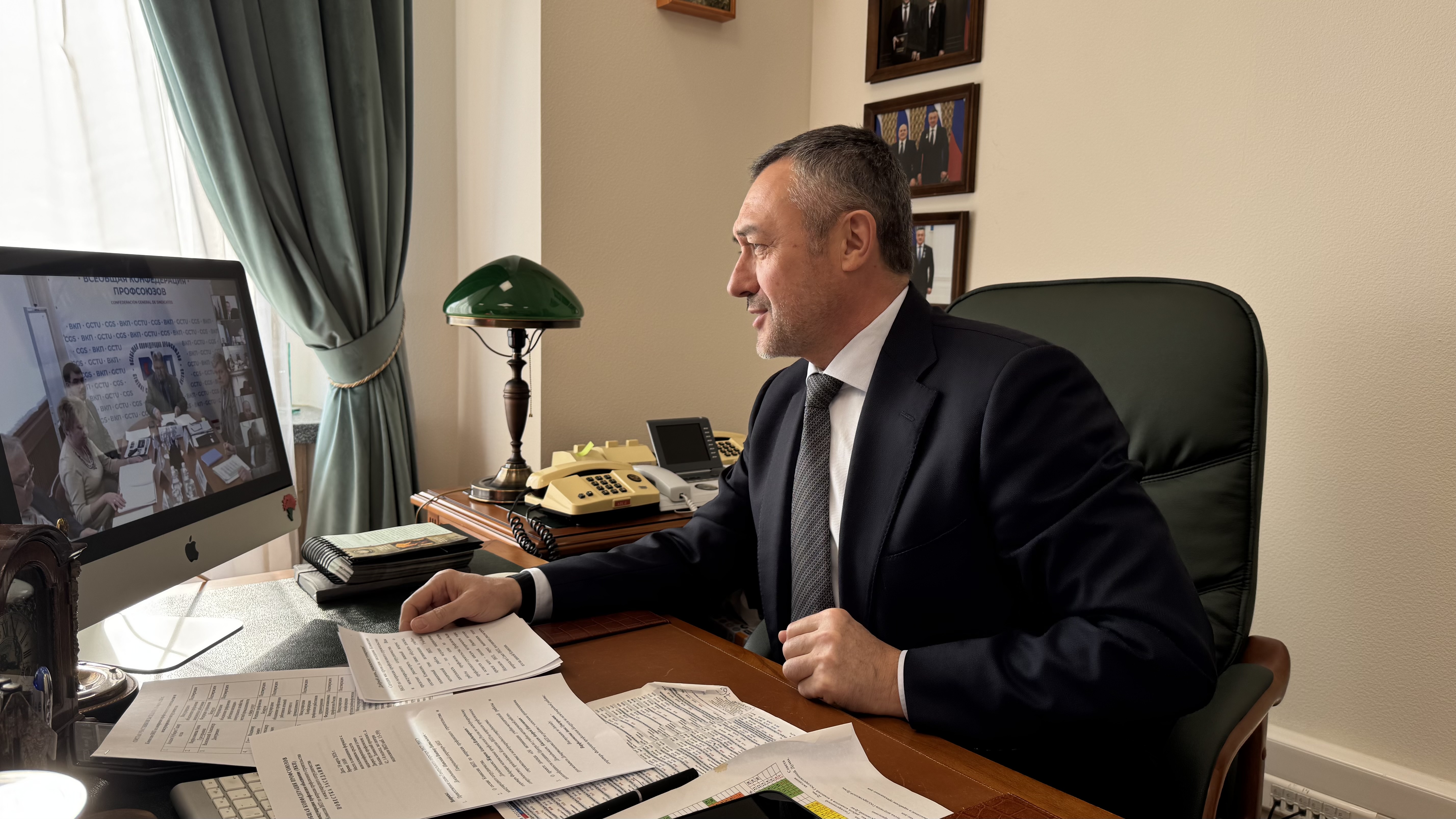
"We already have successful experience in organizing trade union education. This year over 400 people from six countries participated in the GCTU’s first two educational programs. The idea to launch such programs came directly from the requests of our member organizations. Internships are another in-demand format, especially among young people. They provide an opportunity to personally visit international organizations and see their work from the inside," said Viktor Pinsky.
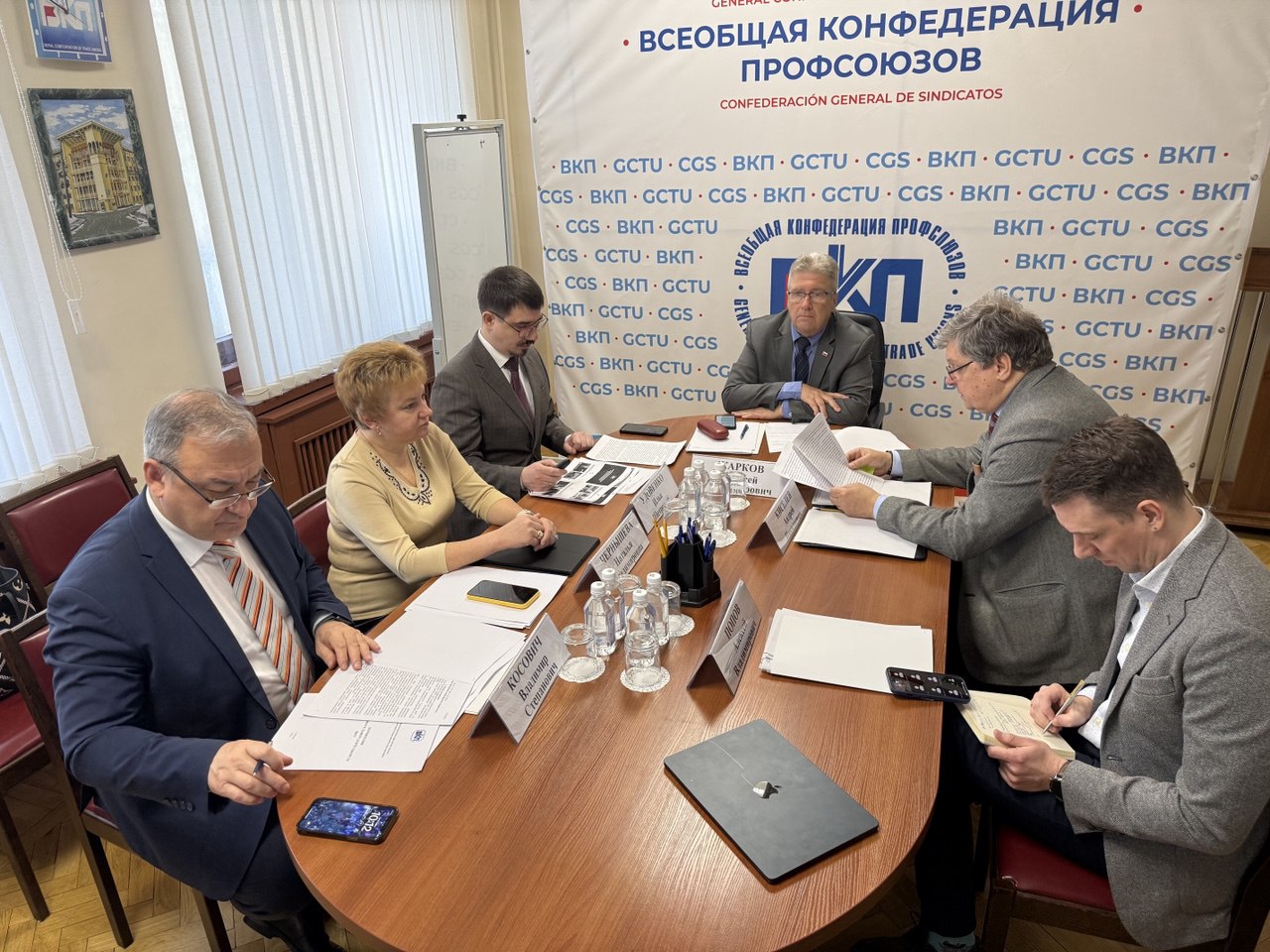
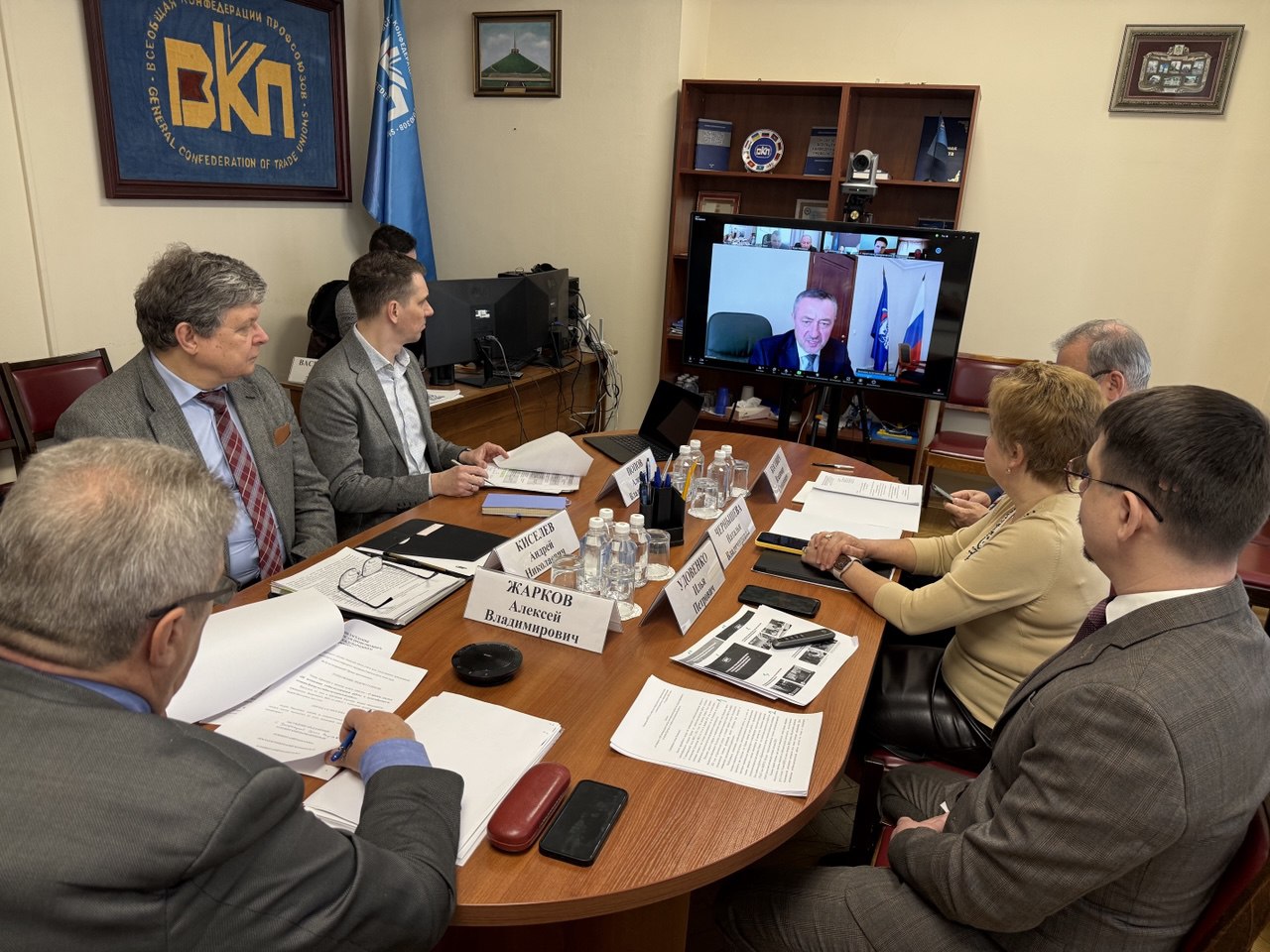
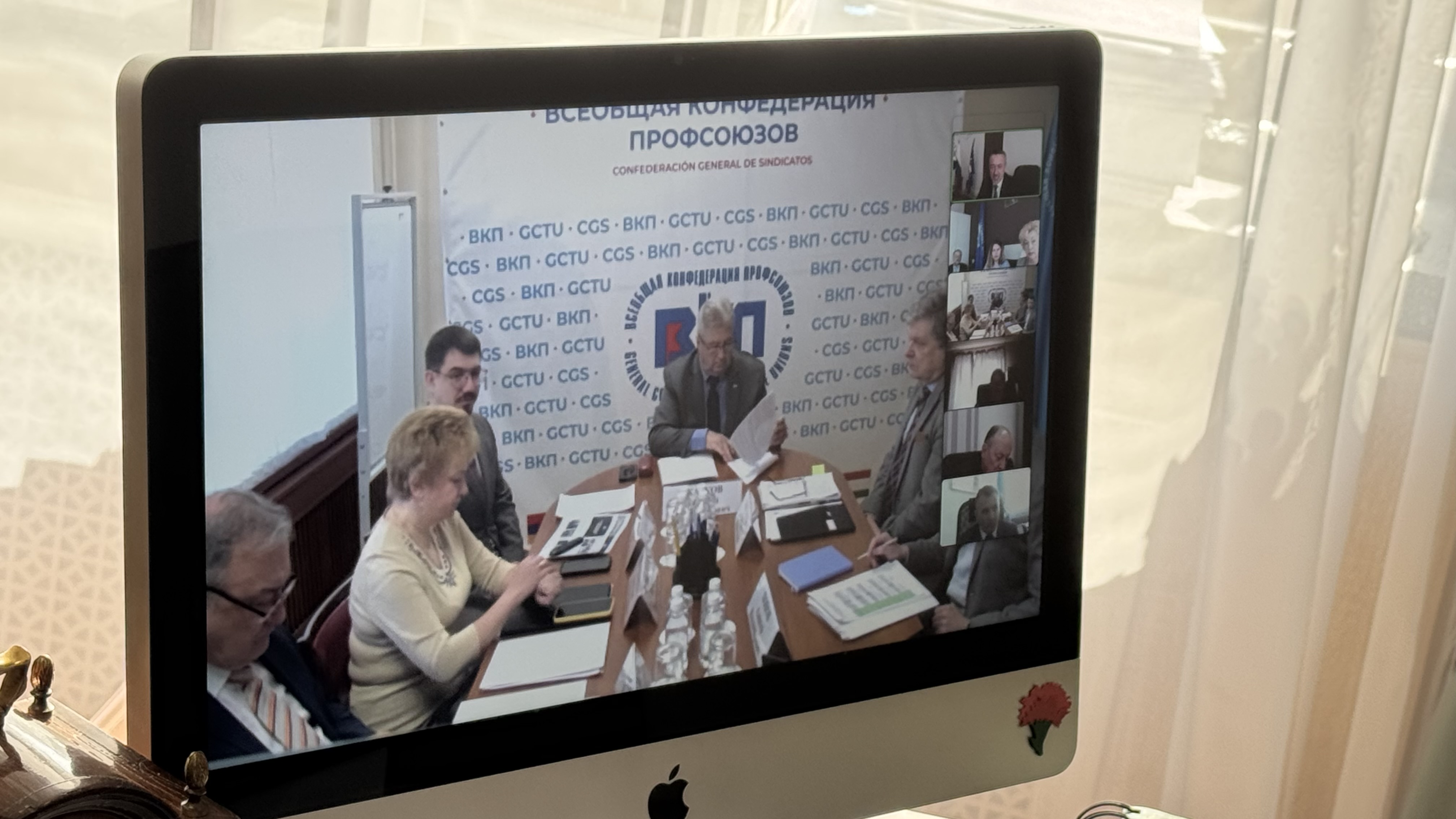
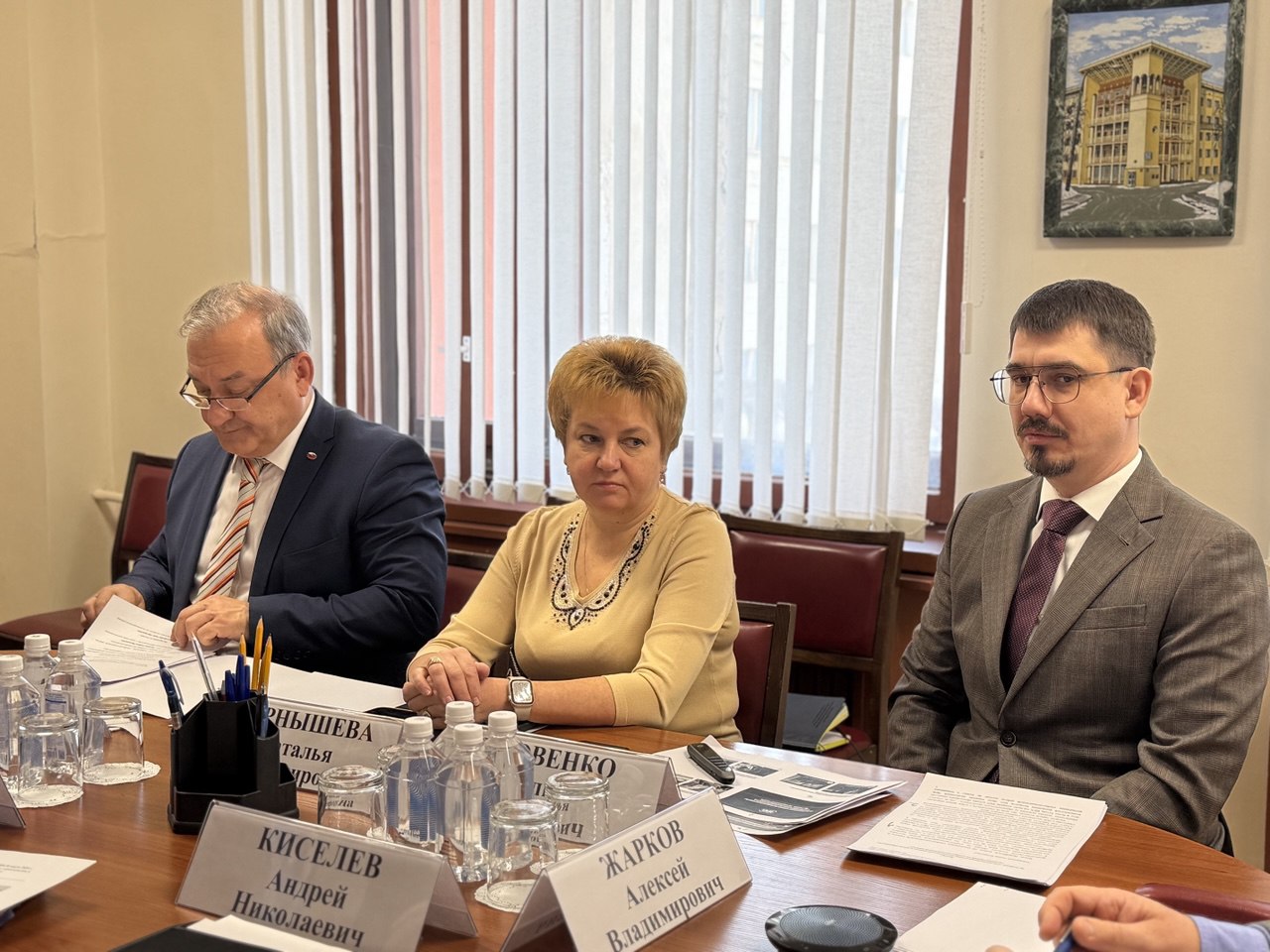
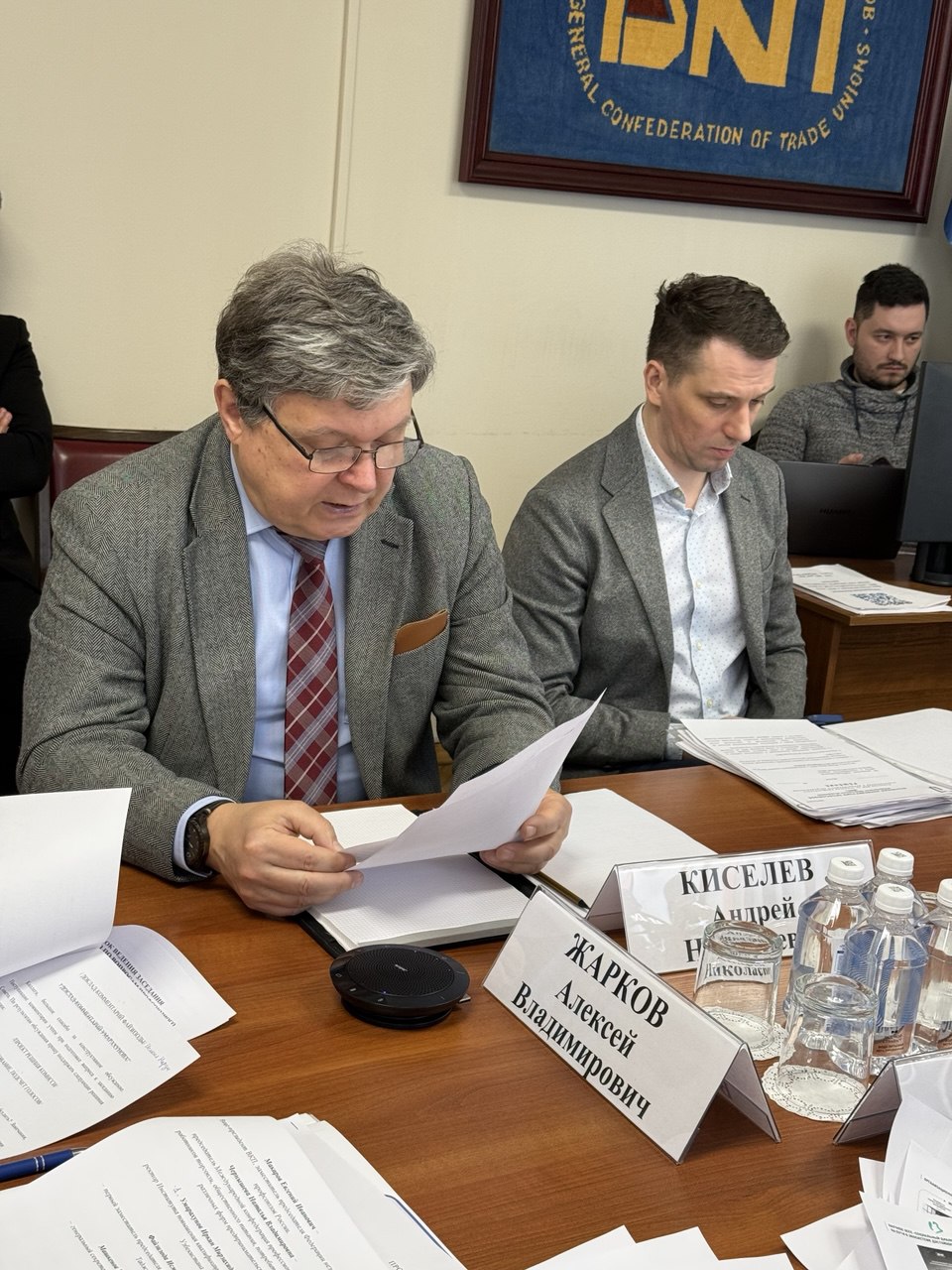
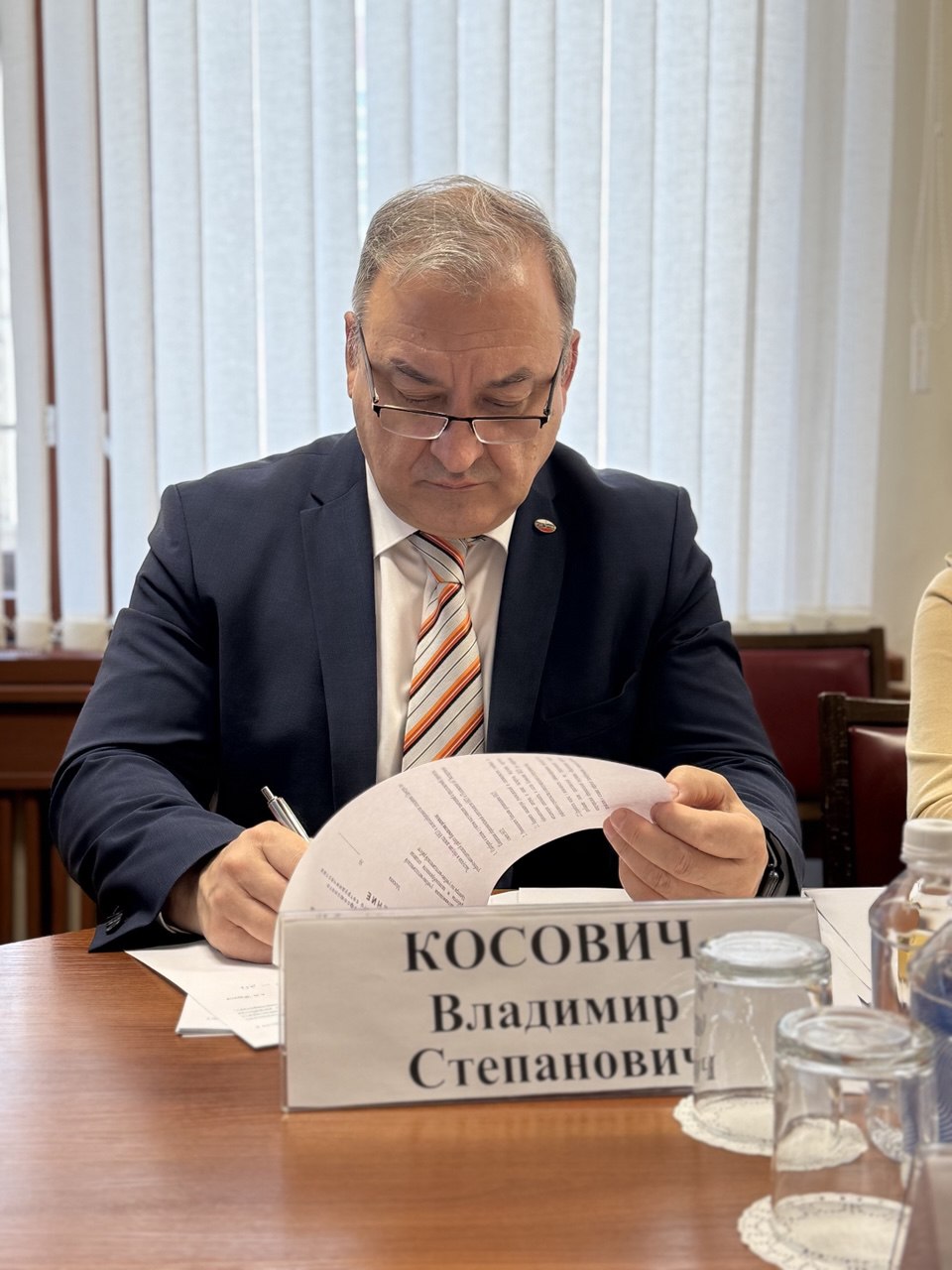
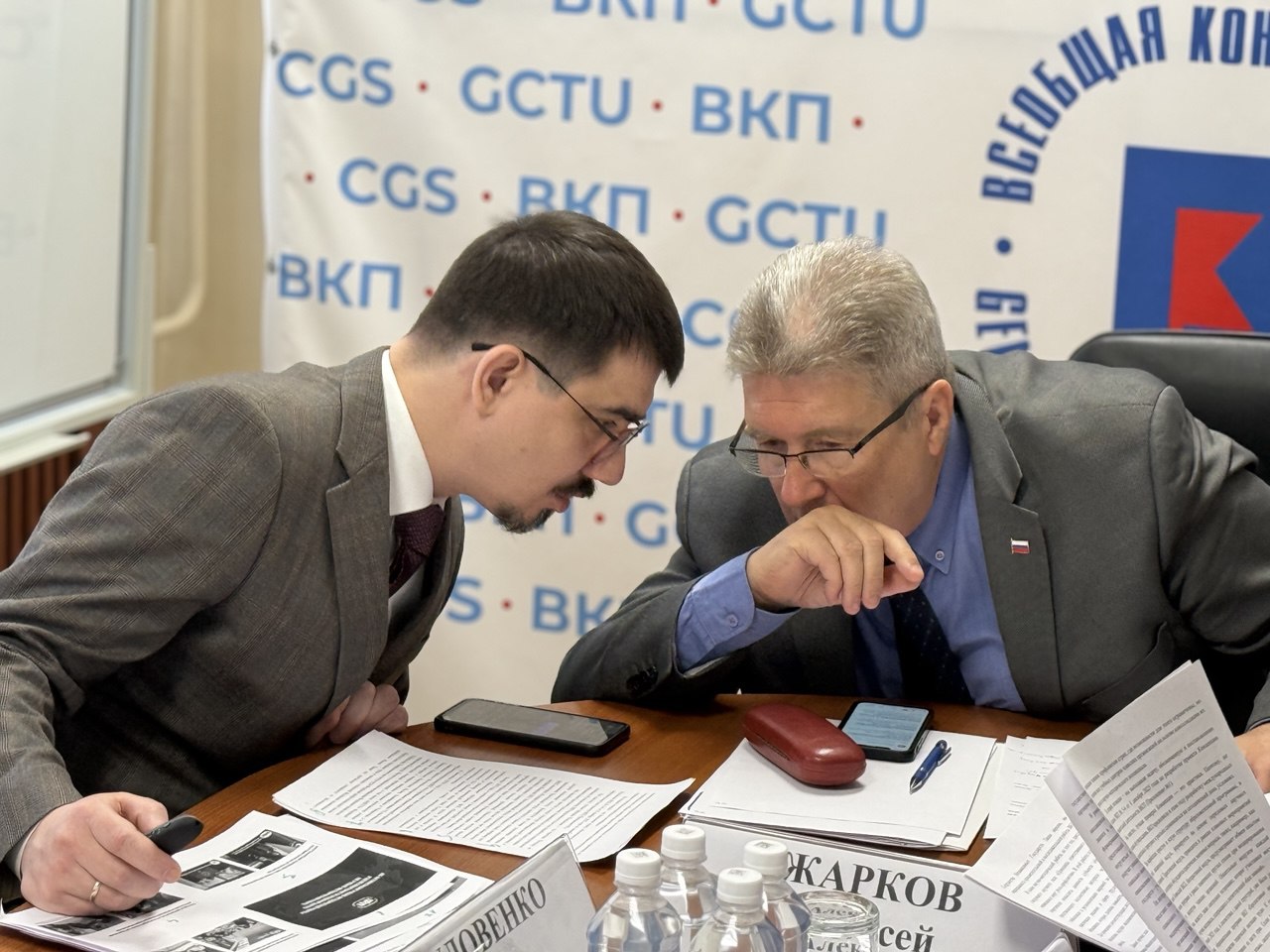
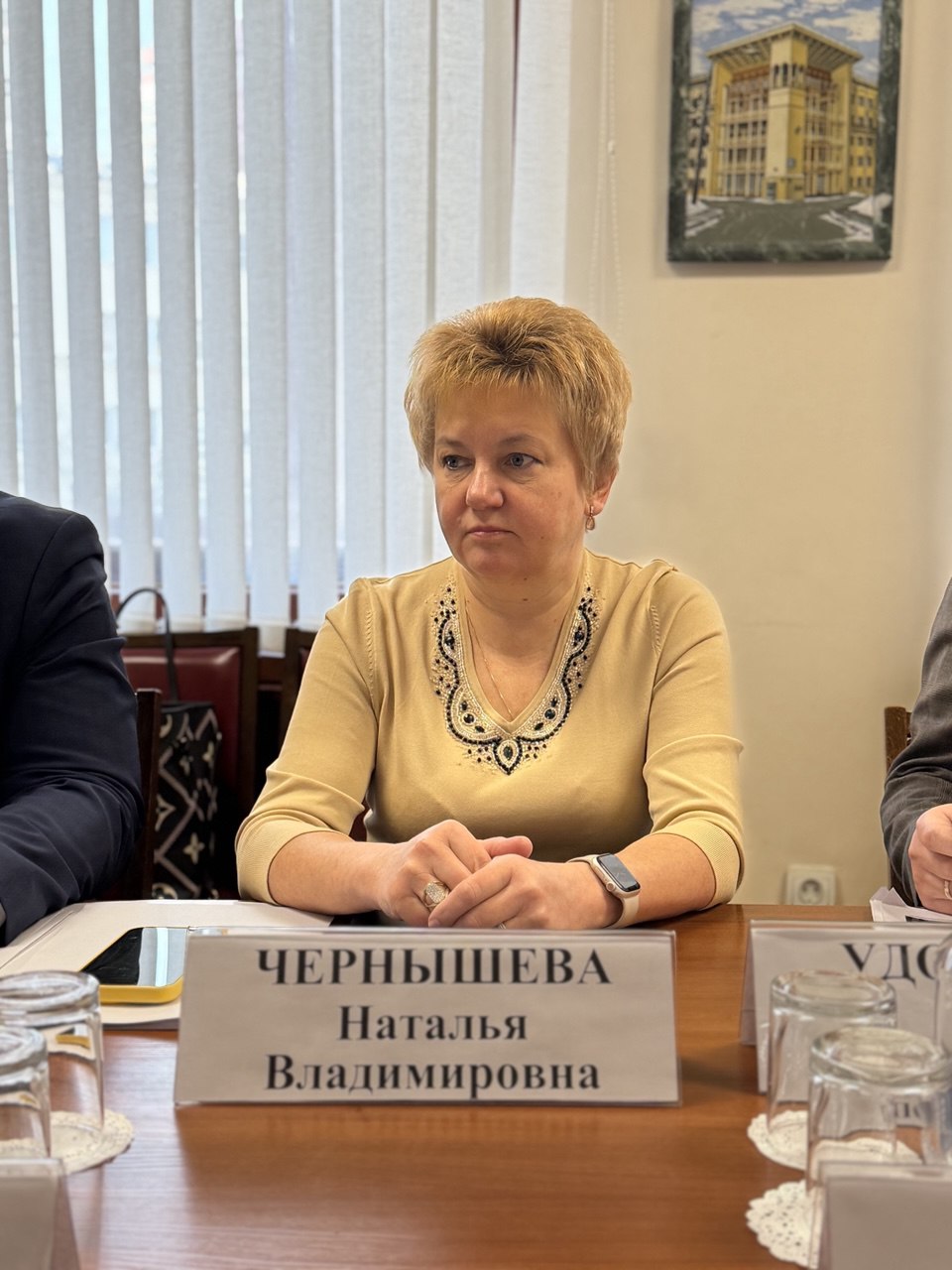
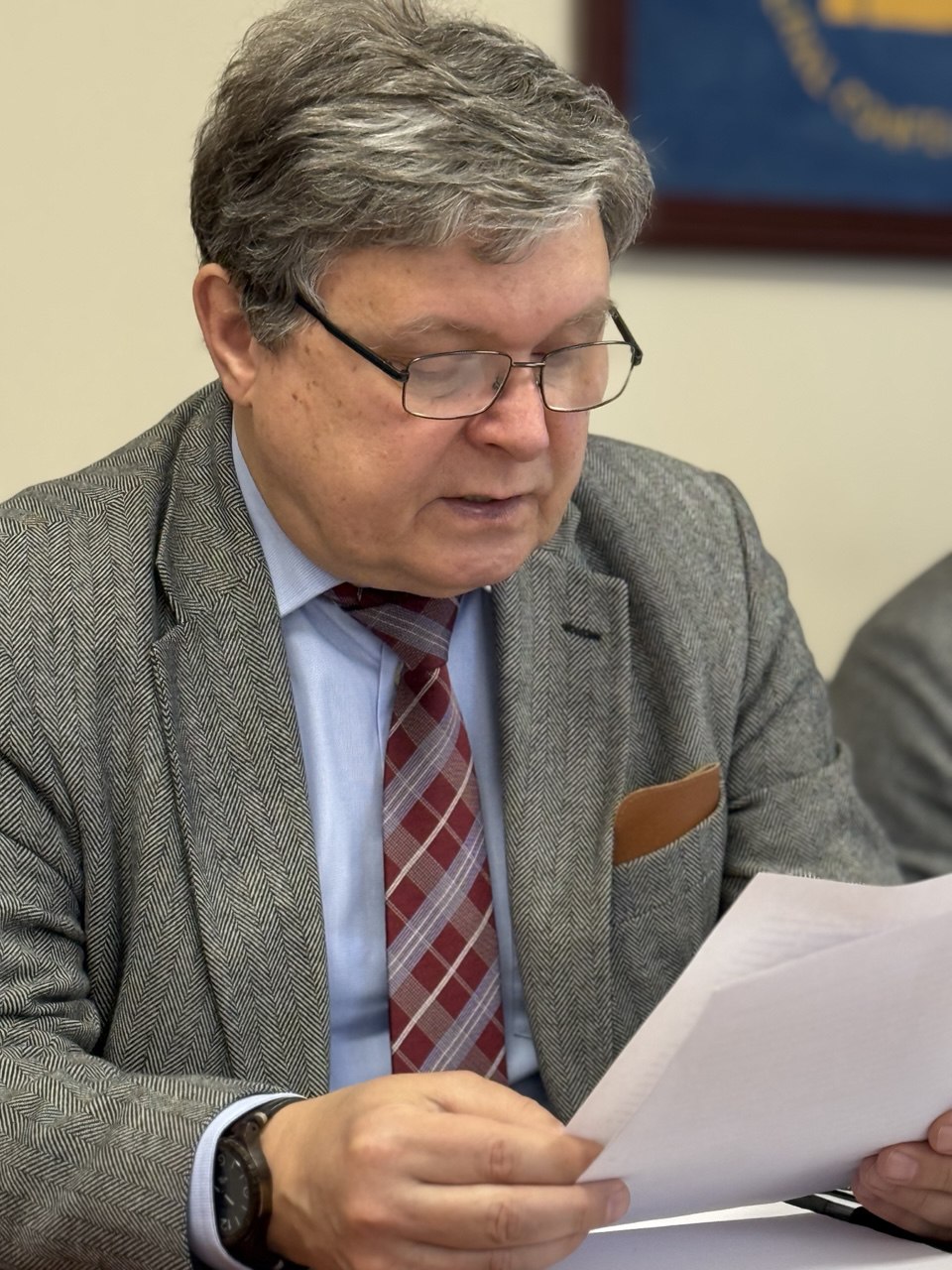
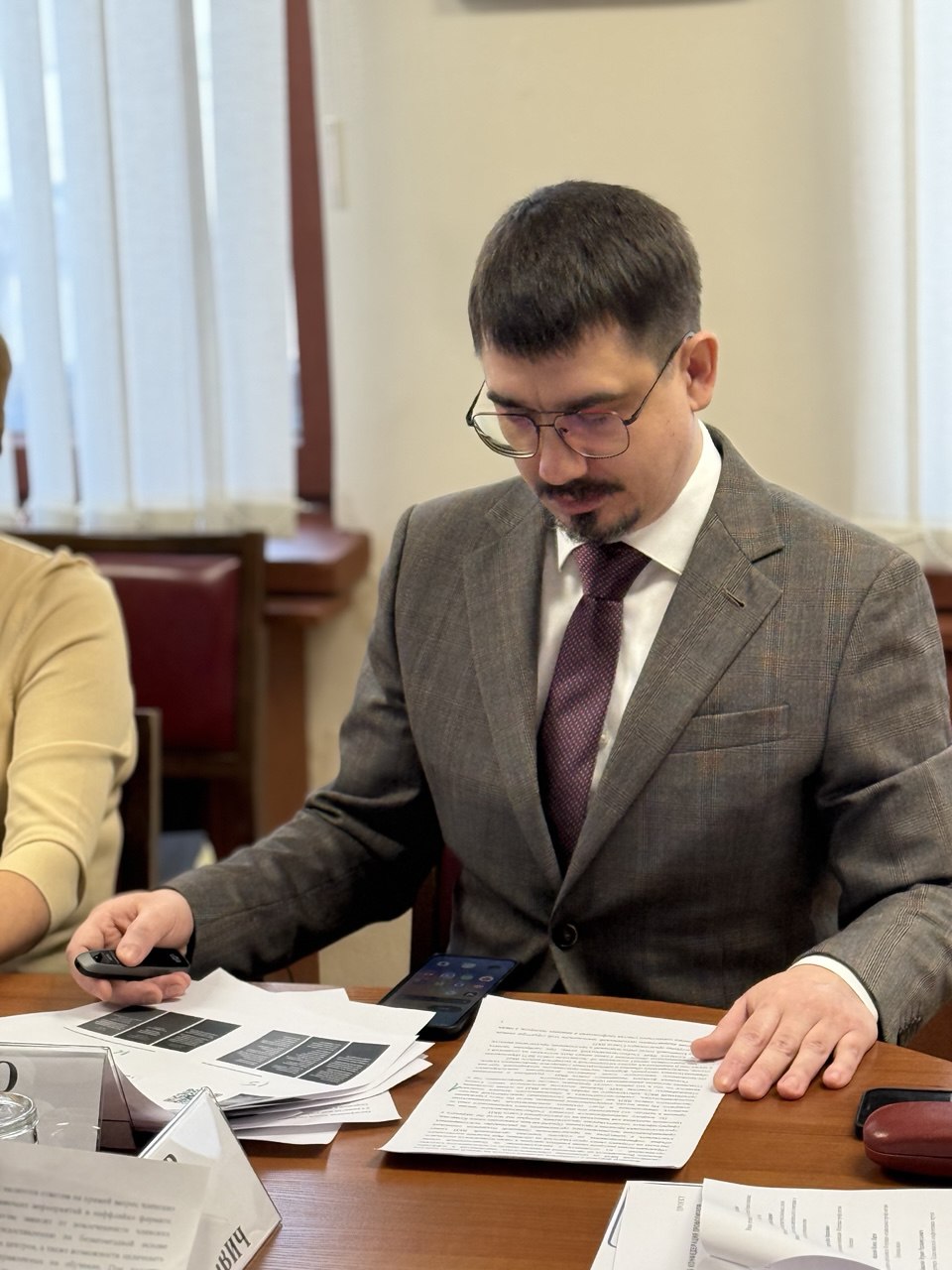
The new GCTU Concept of Educational Activities includes upgrading the skills of trade union members from different countries, developing trade union educational centers, pooling resources, and exchanging experiences among member organizations, as well as internships in international structures. The draft text of the Concept was discussed at a meeting of the GCTU Commission on Trade Union Development and International Cooperation, held on March 18.
The Concept of the GCTU Educational Activities was presented in the report On Activating Educational and Methodological Work and the Feasibility of Establishing a Center for Educational and Methodological Work. Particular attention was paid to the GCTU’s already successfully implemented international educational programs, as well as its scientific and methodological activities, participation in working groups, and expert councils of the Interparliamentary Assembly of the CIS.
Yevgeny Makarov, GCTU Vice President and Deputy Chairman of the Federation of Independent Trade Unions of Russia, emphasized that the Concept needs clearly formulated political goals. "We must help our member organizations represent and defend the interests of trade unions and strengthen the GCTU as an international organization. This is the main goal of the educational process," the speaker noted.
Murat Mashkenov, Secretary General of the Kazakhstan Confederation of Labor, focused on the trade unions’ participation in the work of state power representative and executive bodies. "As a labor confederation, we proposed the participation and allocation of special quotas for trade unions in the new People’s Council of Kazakhstan," he said, calling for this practice to be extended to other CIS countries.
Irkin Umarakhunov, Rector of the Institute for Advanced Training of the Federation of Trade Unions of Uzbekistan, supported the idea of the high demand for educational programs among trade union members. "We should focus on engaging young people. They are mobile, open to innovation, and new approaches," the professor said. He also noted that activating educational and methodological work is a crucial factor in strengthening the trade union movement.
"Upgrading the skills of trade union personnel and activists, new educational programs, and a center for educational and methodological work are indeed necessary," said Anna Varfolomeyeva, Secretary for International Affairs of the Belarus Federation of Trade Unions.
Natalya Chernysheva, Chairperson of the International Confederation of Trade Unions of Workers in Trade, Public Catering, Consumer Cooperation, and Various Forms of Entrepreneurship, believes it is important to invite lecturers from trade union movements abroad. "Interaction with colleagues from trade unions outside the CIS can become one of the means to develop and expand the GCTU’s international trade union cooperation and that of its member organizations," she said.
Ismoil Fayzizoda, First Deputy Chairman of the Federation of Independent Trade Unions of Tajikistan, supported the Concept. "Timely and high-quality training of trade union activists has always been and remains one of the main priorities for trade unions," the speaker noted.
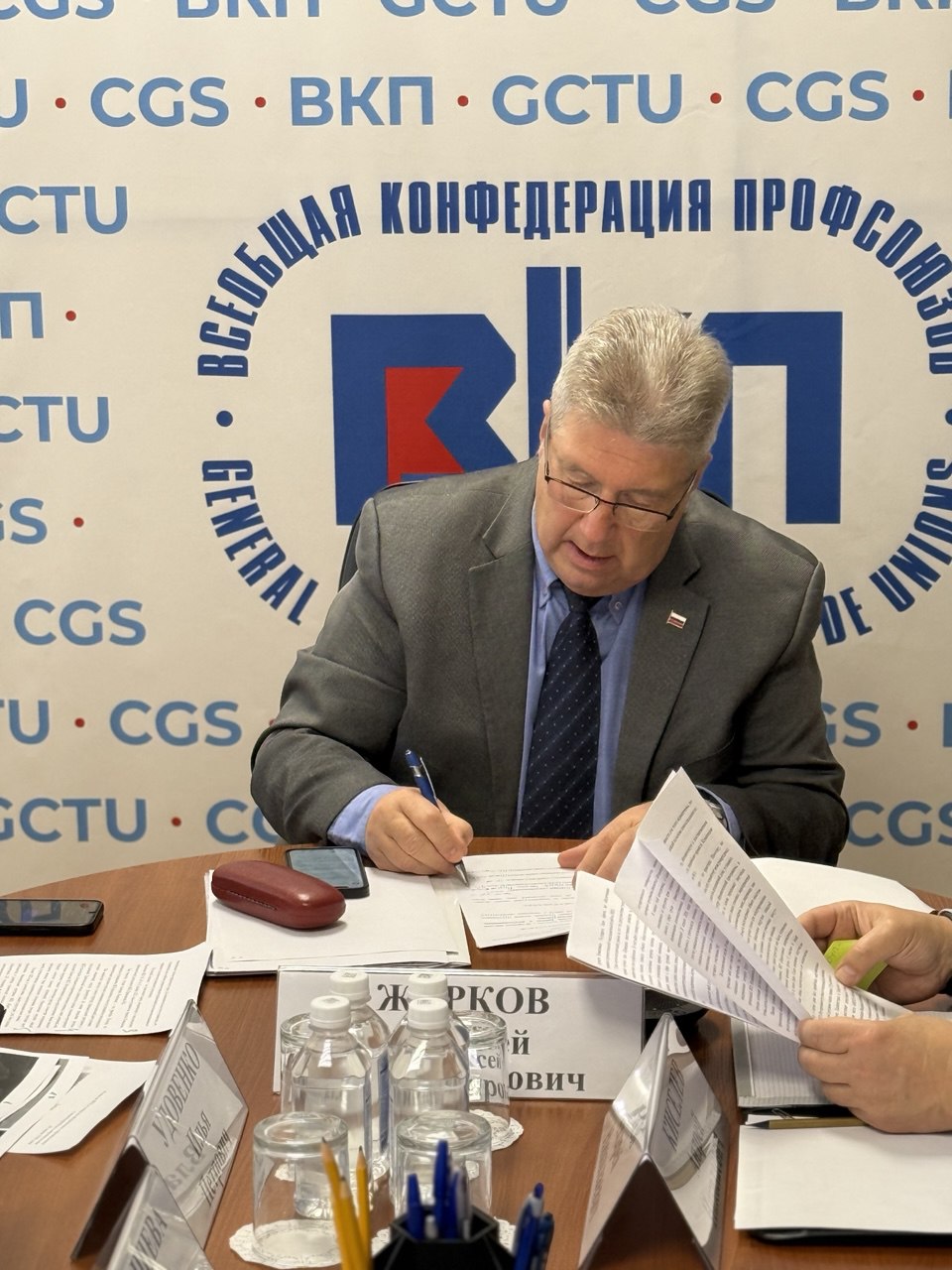
The meeting of the Commission was chaired by Aleksey Zharkov, Secretary for International Cooperation of the Federation of Independent Trade Unions of Russia and Chairman of the GCTU Commission on Trade Union Development and International Cooperation.


GCTU News
-
For trade unions, March 8 is not just a day of spring and renewal.
For trade unions, March 8 is not just a day of spring and renewal.
For trade unions, March 8 is not merely a day of spring and renewal. Above all, it is an opportunity to once again reflect on the role of women in the world of work and in global development as a whole. Today, women perform 55% of the world’s total labor. They work longer hours than men—by 6 to 13 hours per week—and still earn less: on average, women’s wages amount to 66–84% of men’s wages, depending on the country. There is objective evidence that the more a country values women’s labor and the smaller the gender pay gap, the more developed its economy. A special issue is the “invisibility” of women’s domestic and, as experts call it, reproductive labor. This is why trade unions should continue to fight for justice for working women.
I congratulate all women of the CIS, my colleagues in the parliamentary corps, and women in trade unions on International Women’s Day. I wish you justice, decent work, success, and prosperity!
Viktor Pinsky
General Secretary of the General Confederation of Trade Unions, Member of the State Duma
-
General Confederation of Trade Unions Proposes Securing Trade Union Rights in Enterprise Bankruptcy
General Confederation of Trade Unions Proposes Securing Trade Union Rights in Enterprise Bankruptcy
The General Confederation of Trade Unions’ (GCTU) proposals are reflected in the draft CIS model law “On Cross-Border Insolvency and Bankruptcy.”
Trade unions must have the right to represent and protect workers’ interests in the bankruptcy of international companies, according to Viktor Pinsky, Member of the State Duma of the Russian Federation and General Secretary of the GCTU.
-
GCTU Launches International Educational Program “Regulation of Labor Relations Based on Social Dialogue Principles”
GCTU Launches International Educational Program “Regulation of Labor Relations Based on Social Dialogue Principles”
The program is designed for specialists and trade union activists involved in collective bargaining at all levels of social partnership. It consists of four modules and will include about two hundred participants from six countries.
The first module—a lecture session—will be held on March 3, 2026. Leading experts from the General Confederation of Trade Unions, educational organizations of four national trade union centers (Belarus, Kyrgyz Republic, Russia, and Uzbekistan), and Lomonosov Moscow State University will deliver lectures.