

GCTU Working Group Completes Development of a Unified Methodology for Calculating the Minimum Consumer Budget of Workers in the CIS Countries
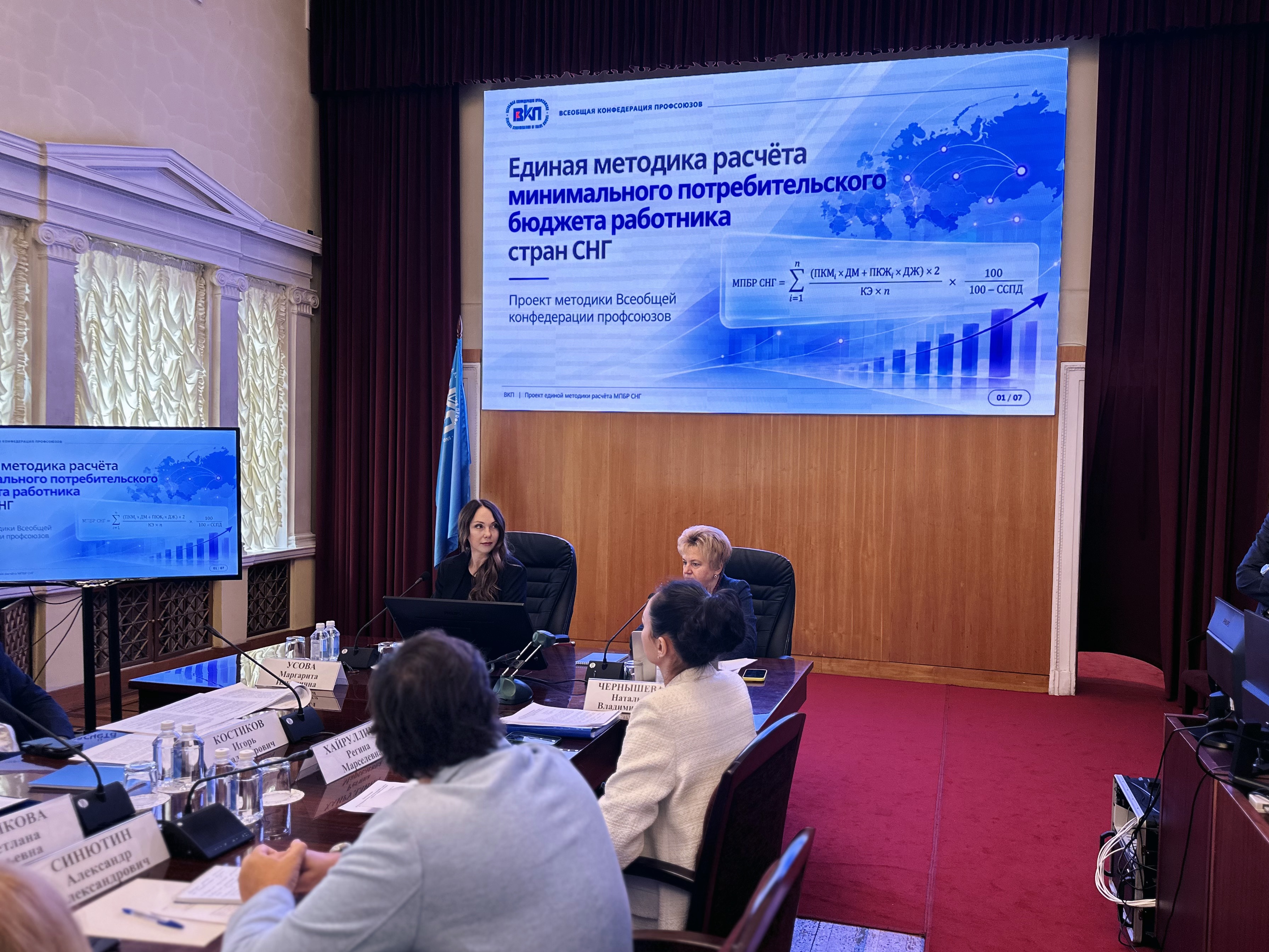
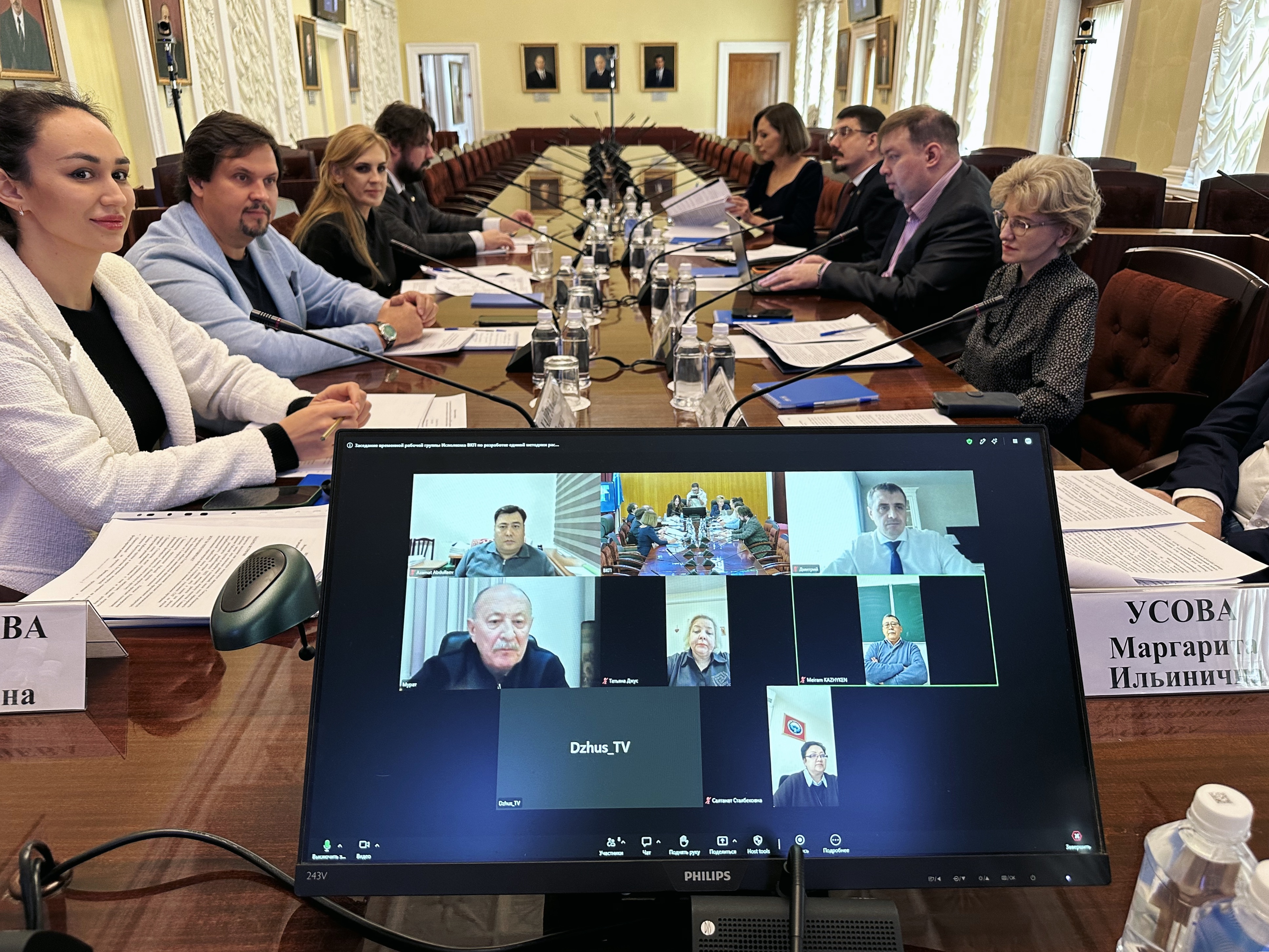
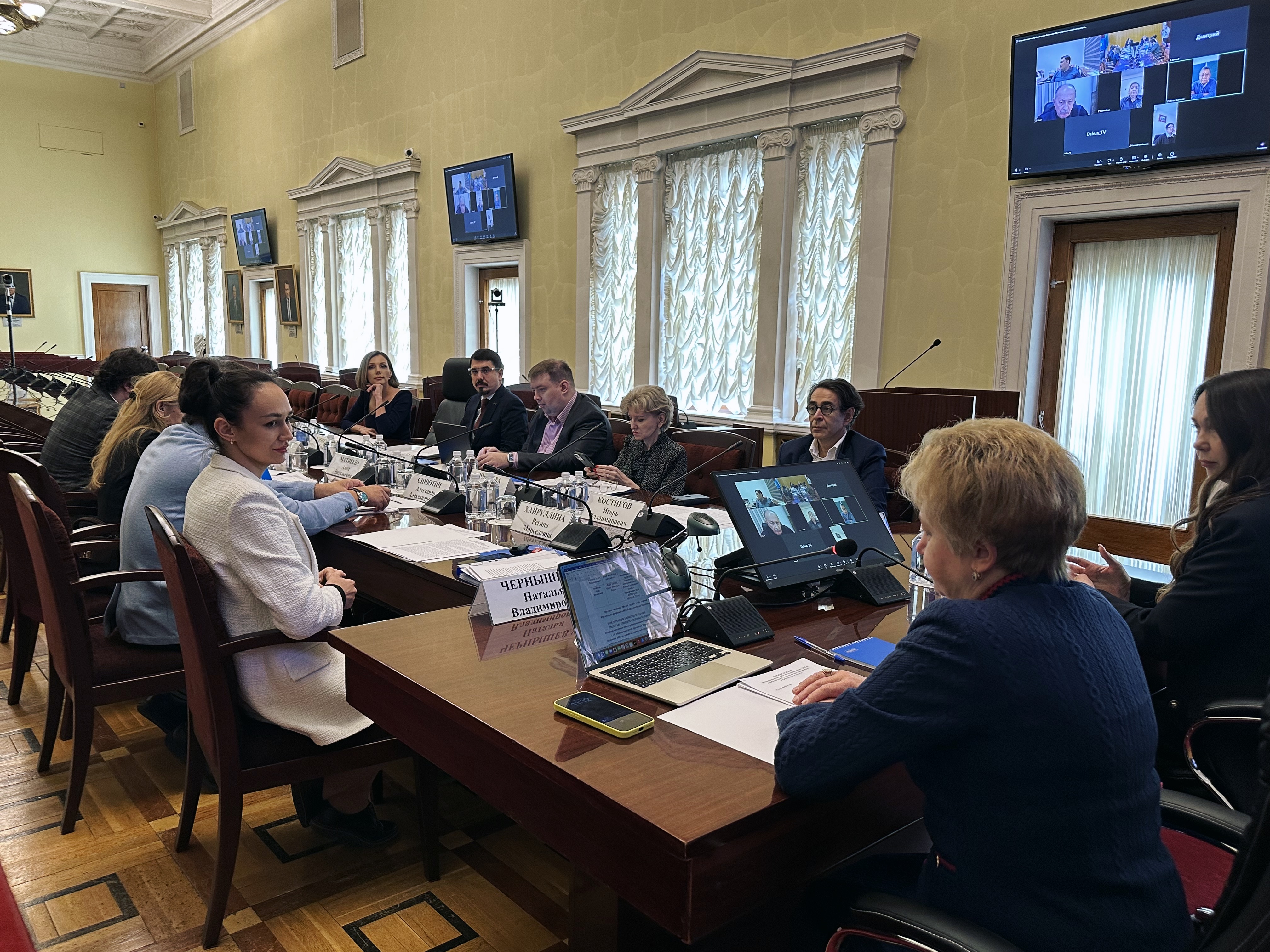
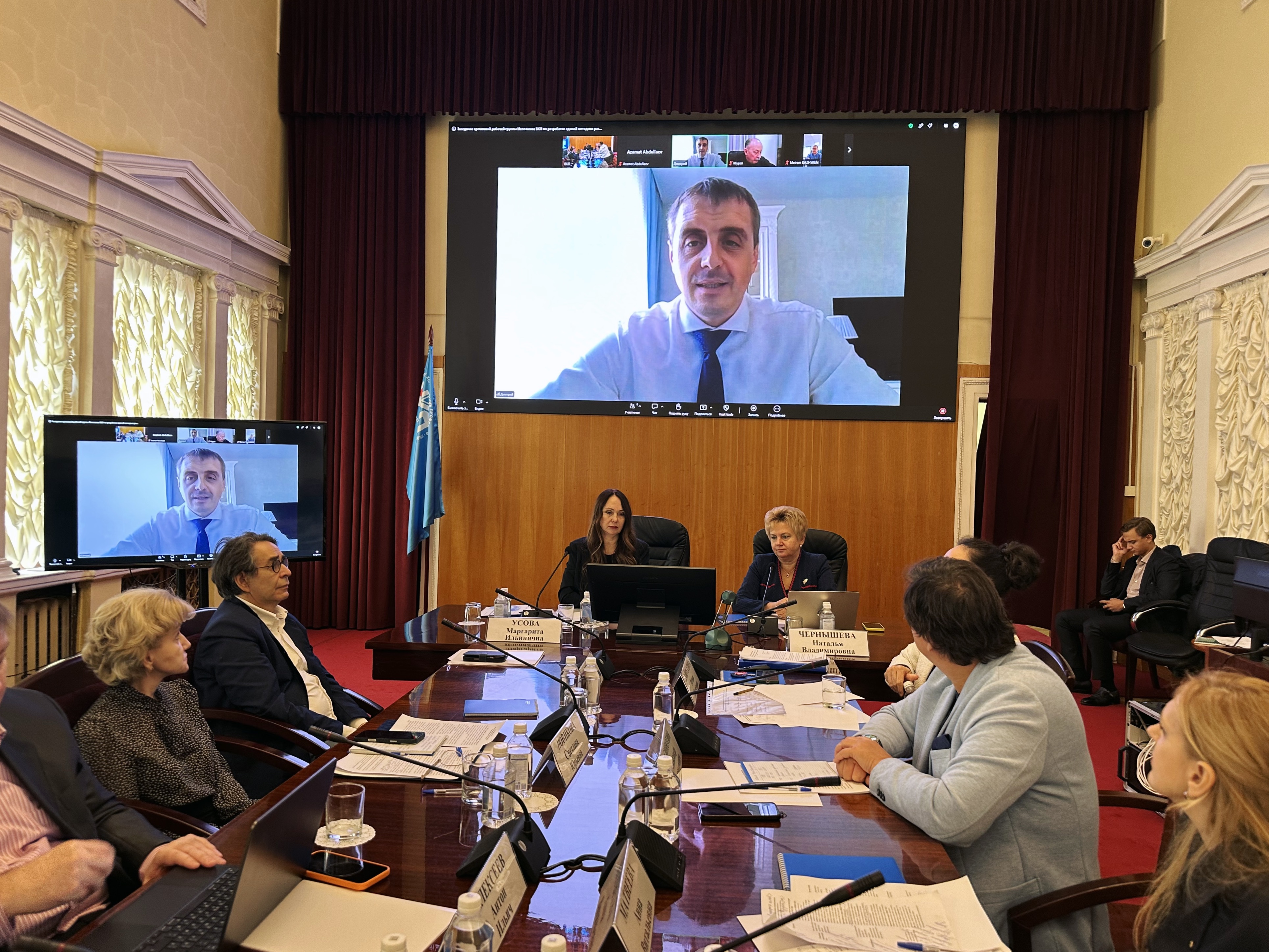
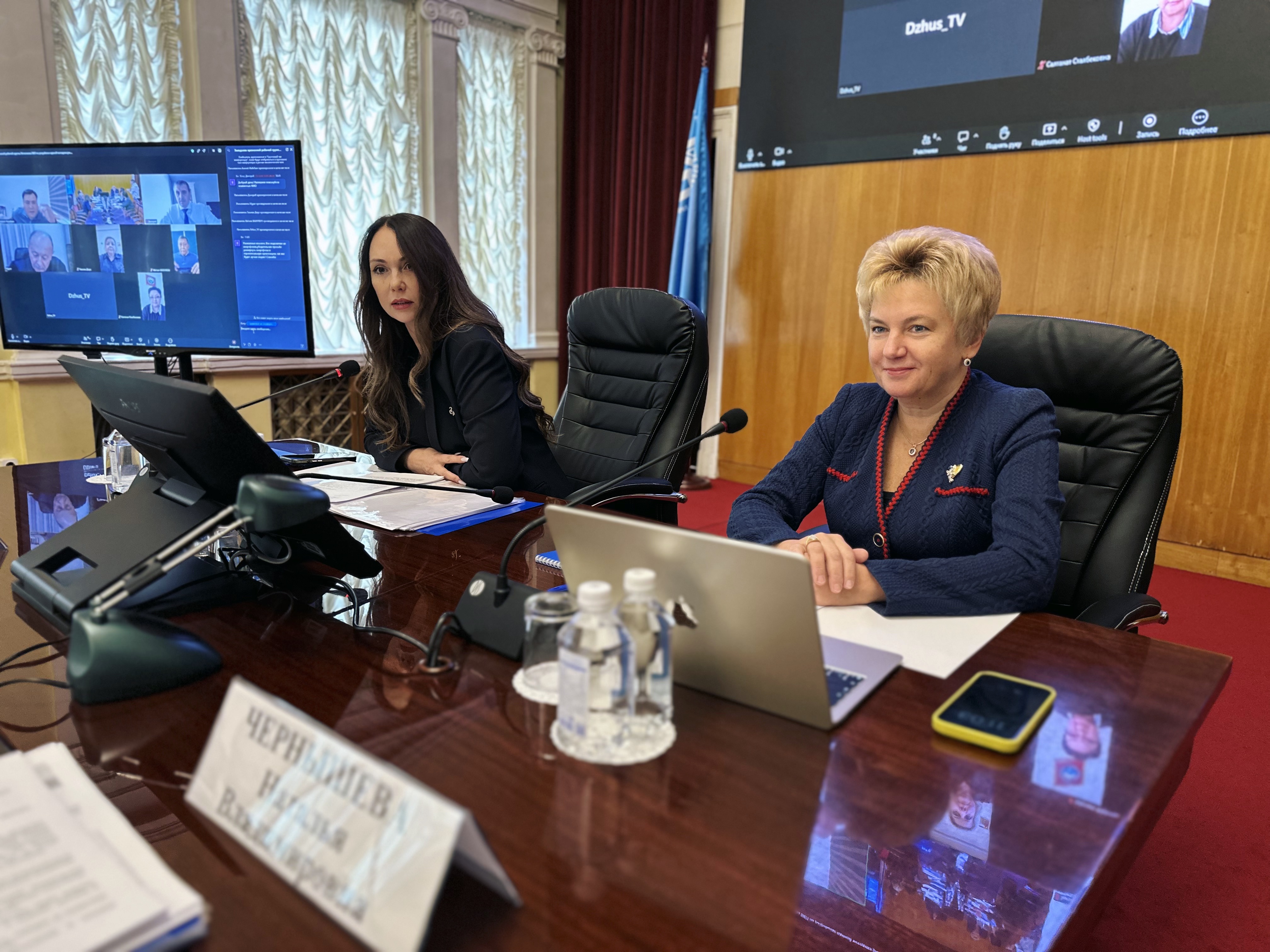
The temporary working group of the GCTU Executive Committee has completed the development of a draft unified methodology for calculating the minimum consumer budget of workers in the CIS countries. On October 22, at a meeting in Moscow, the document was approved by a majority of votes, taking into account the comments and proposals received. Already on October 29, the GCTU Commission on the Protection of the Socio-Economic Interests of Working People and Legal Issues will review the draft for approval and subsequent submission to the GCTU Executive Committee.
The developed methodology is intended to become a new tool for trade unions in the CIS countries in conducting collective negotiations with employers and government authorities. Its main goal is to create a unified approach to calculating the minimum consumer budget, which will make it possible to substantiate demands for raising the minimum wage and to move towards higher social standards of pay.
The methodology is based on calculating the expenses needed to support a worker and his or her family members. It takes into account the specifics of each state, including the cost of goods and services, the consumption structure of the population, climatic conditions and current taxes.
The calculation begins with determining the cost of food baskets for working-age men and women. The resulting figures are then combined taking into account the proportions of men and women among the working population of a particular country.
To determine spending on non-food goods and services, the Engel coefficient is used. It shows what share of the family budget is spent on food. Knowing the cost of the necessary set of food products and the share of spending on them in the population's total expenditure, one can calculate the amount needed for other goods and services. The formula also provides for the costs of supporting a dependant and paying income tax.
Thus, the methodology establishes general rules of calculation, allowing each country to use its own cost-of-living figures. It was based on approaches applied in Kazakhstan, Belarus and Uzbekistan.
Preliminary calculations were carried out for five CIS states. They showed a significant gap between the current minimum wages and the minimum consumer budget calculated under the proposed methodology.
For example, in Kazakhstan the calculated figure was 178,851.88 tenge, while the minimum wage is 85,000 tenge. That is more than double the current minimum pay level. Similar calculations were carried out for Belarus, Kyrgyzstan, Russia and Uzbekistan.
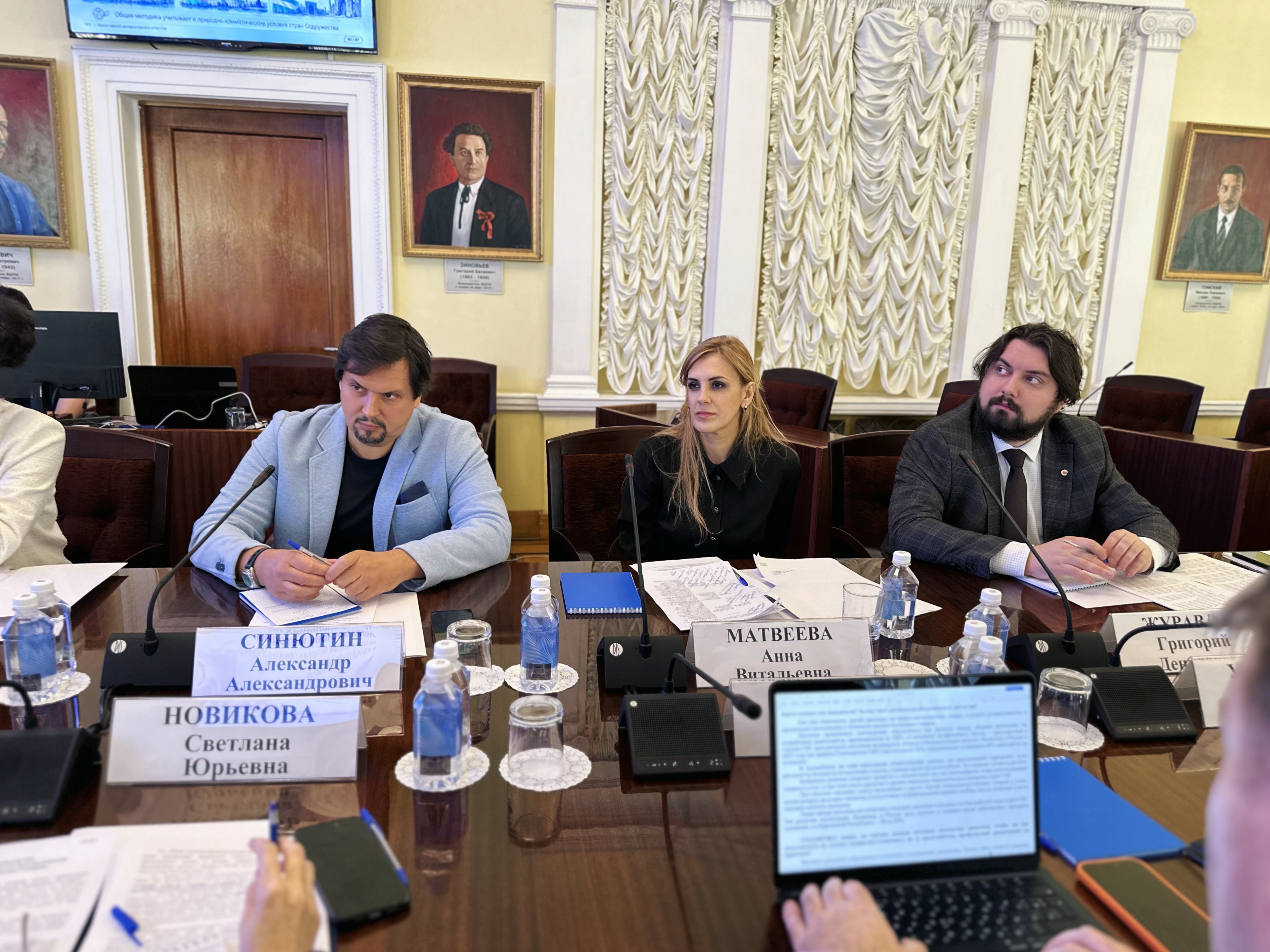
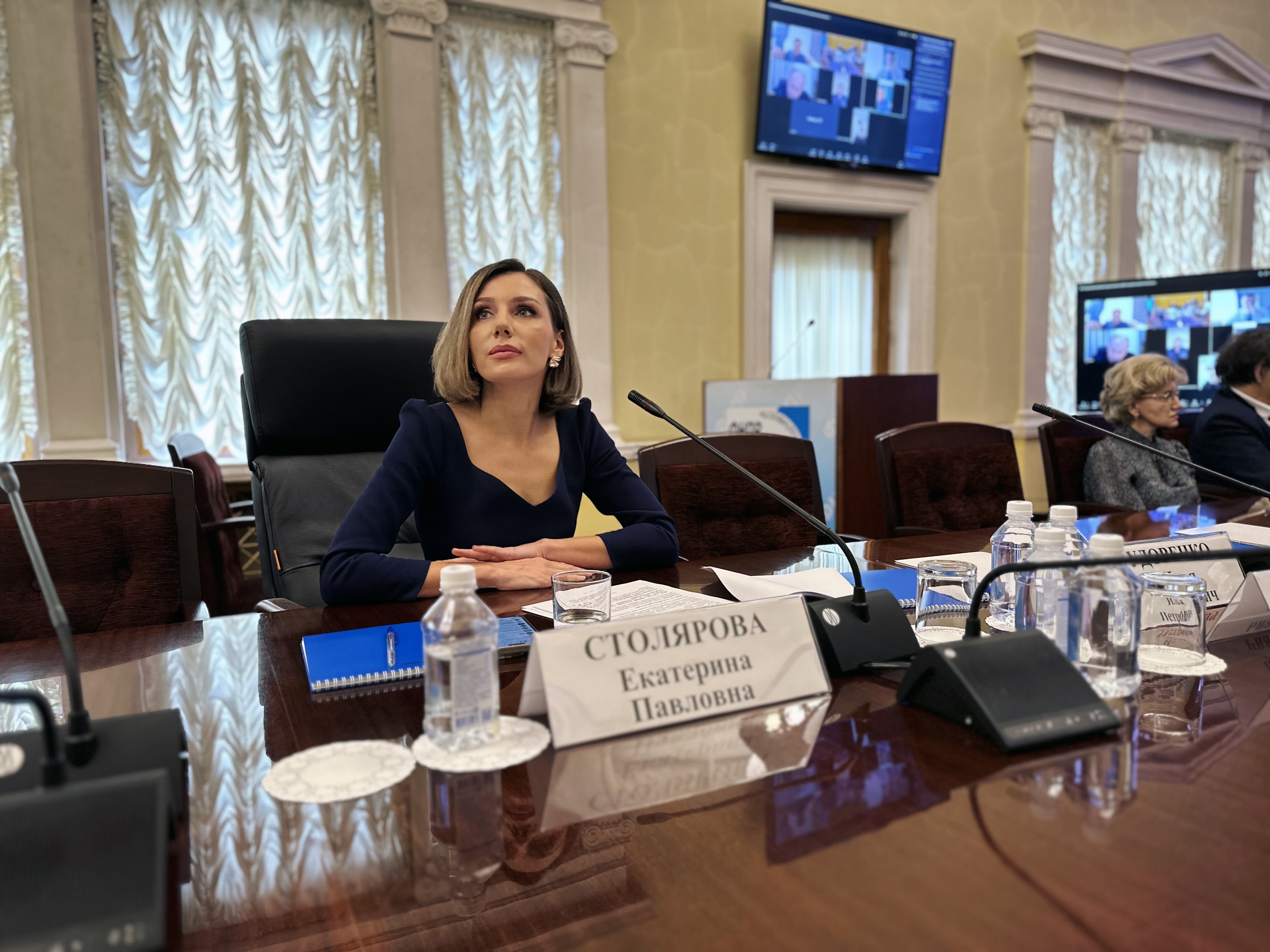
The draft methodology became the main topic of an expert discussion moderated by Ekaterina Stolyarova, journalist and presenter of the news and analytical programme What Does This Mean? on the RBC TV channel. Well-known economists, sociologists and specialists in labour relations were invited to the discussion.
Murat Mashkenov, General Secretary of the Kazakhstan Confederation of Labour, spoke about the need to develop common approaches to determining the minimum wage. He drew attention to differences in living standards, national traditions and the consumption structure of the CIS countries' populations. In his view, for the methodology to be applied in practice, it is important to rely on citizens' actual expenses and to take into account the specifics of each country.
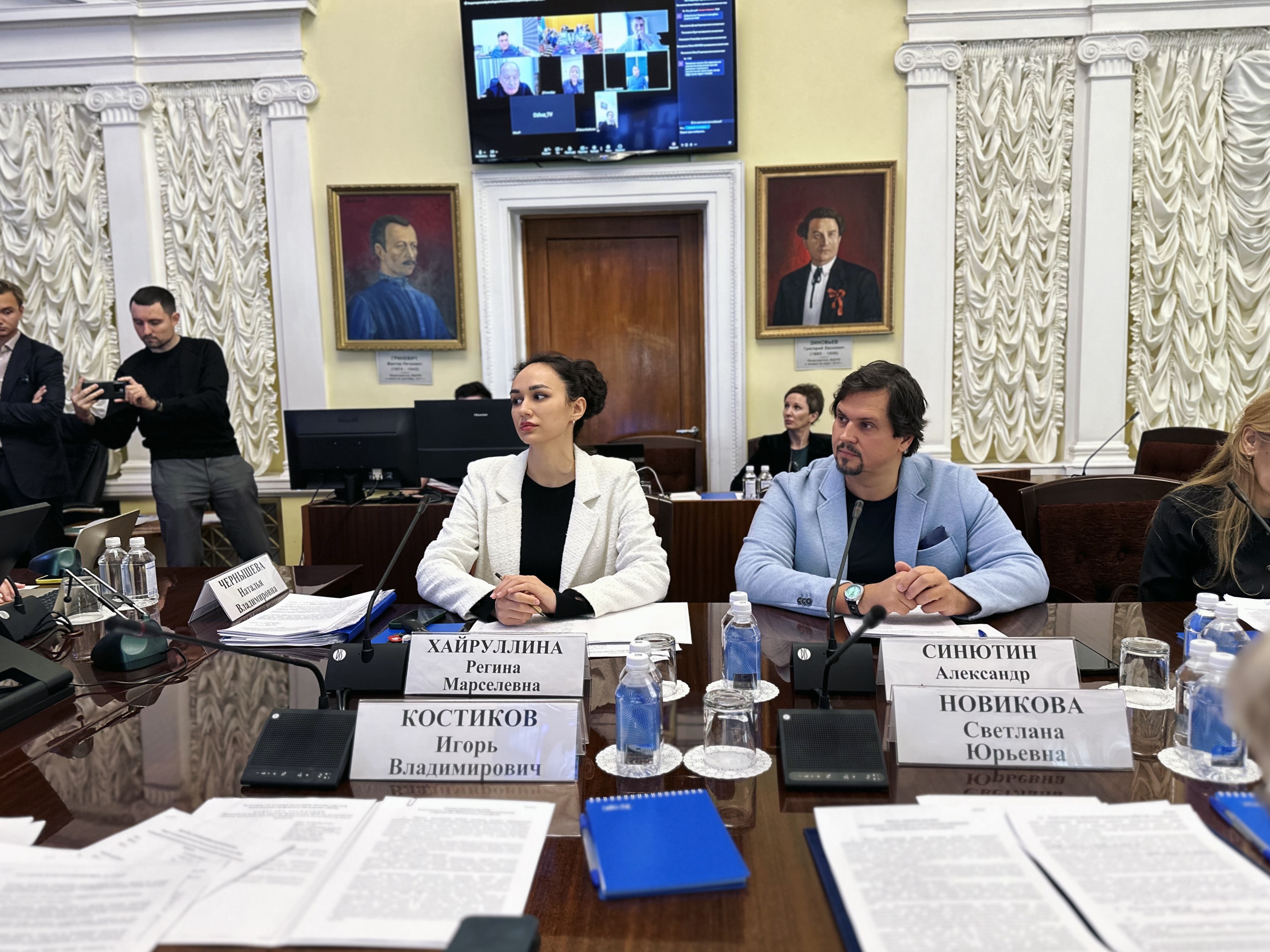
Igor Kostikov, Doctor of Economics, professor, and former head of the Russian Federal Securities Commission, supported the GCTU initiative. He noted that calculating a consumer budget could become an important argument for trade unions in discussions on pay.
"I believe this is a very important initiative, and it needs to be promoted," Igor Kostikov noted.
At the same time, the economist stressed the need for further improvement of the formula and the use of reliable statistical data. In his opinion, the calculations should be regularly updated to reflect changes in the population's consumption. He attached particular importance to the use of modern digital technologies for collecting and analysing information.
Alexander Sinyutin, Doctor of Philosophical Sciences and Candidate of Sociological Sciences, drew attention to how well the calculated figures correspond to the real needs of working families.
"I really liked the concept that this formula is based on the consumer basket," Alexander Sinyutin said.
At the same time, the sociologist proposed taking into account differences in the cost of living between regions, changes in people's needs with age, and additional expenses of families with children. He emphasised that the structure of everyday spending constantly changes, so the methodology must retain the ability to adjust the figures used.
Meiram Kazhyken, adviser to the General Secretary of the Kazakhstan Confederation of Labour on economic issues and professor at the Higher School of Economics of the International University "Astana", also gave his assessment of the draft.
The expert voiced fundamental objections to the proposed approach. In his view, the current consumer baskets do not fully reflect the modern needs of the population, and when determining the necessary wage level, spending on human development should be taken into account.
"Today people's needs are different, absolutely different," Meiram Kazhyken emphasised.
He spoke about studies of the actual consumption of households conducted in Kazakhstan with the support of trade unions, and proposed making wider use of such surveys to determine the real expenses of working families.
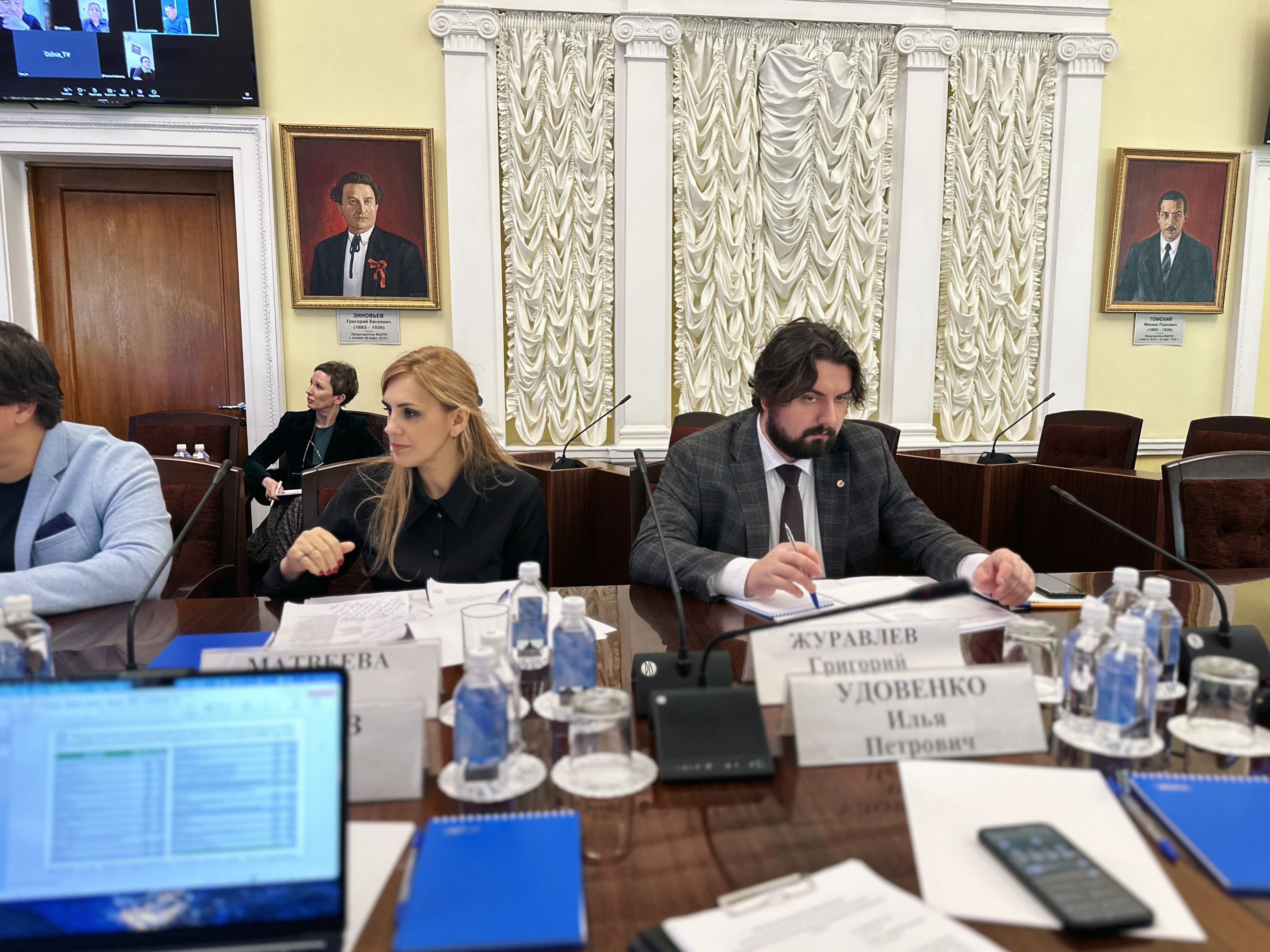
Anna Matveeva, deputy head of the labour relations, remuneration and labour standardisation department of the Russian Ministry of Labour's Research Institute of Labour, also took part in the discussion. She drew attention to the economic feasibility of applying such calculations and the need to take into account current legislation. According to her, determining a consumer budget requires extensive research work, especially when accounting for differences between regions. She also stressed that the calculated figure must be distinguished from the legally established minimum wage, and that when considering raising it, the economic capacity of employers and the state must be taken into account.
Representatives of national trade union centres and international sectoral trade union associations joined the discussion. They shared their experience of applying various methods for calculating consumer budgets and made proposals for improving the draft.
Following the discussion, the working group approved the draft methodology, taking into account the comments and proposals received. The participants nevertheless noted the need for further work on the source data, the composition of the consumer baskets and the ways of accounting for national specifics.
Summing up the meeting, GCTU Deputy General Secretary Margarita Usova thanked the members of the working group and the invited experts for a substantive discussion. She noted that developing a common methodology required combining different approaches and finding solutions that could be applied in the CIS states.
"We need a common foundation that will allow us to move forward, defend the interests of working people and achieve higher pay standards in the CIS countries. That is exactly why we have developed a unified methodology for calculating the minimum consumer budget," Margarita Usova emphasised.
Once approved, the methodology should become the basis for collective negotiations by trade union organisations with their social partners within the framework of the updated GCTU solidarity campaign, aimed at raising the minimum wage in the CIS countries to a level no lower than the worker's minimum consumer budget.
GCTU News
-
CIS Working Group Supports Four GCTU Initiatives for the Year of Social Development and Quality of Life
On November 19, an additional meeting of the Working Group of the Consultative Council on Labour, Employment and Social Protection of the Population of the CIS Member States was held in Minsk, Belarus. The Working Group members finalised the proposals for the draft Plan of Events for the Year of Social Development and Quality of Life in the Commonwealth in 2028. All four initiatives of the General Confederation of Trade Unions were included in the agreed package of proposals. -
The 14th FNPR Congress Sets Tasks for Upgrading the Trade Union Education System
On November 18, the 14th Congress of the Federation of Independent Trade Unions of Russia (FNPR), the largest member organisation of the General Confederation of Trade Unions, was held in St Petersburg. 147 delegates attended the Congress. The main topic was increasing the effectiveness of trade union education and science. -
"Solidarity" to Help Promote the Interests of the Person of Labour in the State Duma
Viktor Pinsky, General Secretary of the General Confederation of Trade Unions (GCTU) and State Duma deputy, emphasised the importance of the "Solidarity" cross-party working group for protecting workers' interests and improving labour legislation. The group's organisational meeting took place on 12 November in Moscow, in the State Duma of the Russian Federation.