

Creation of a Civilized Migration Space in the CIS Discussed at the St. Petersburg Labor Forum
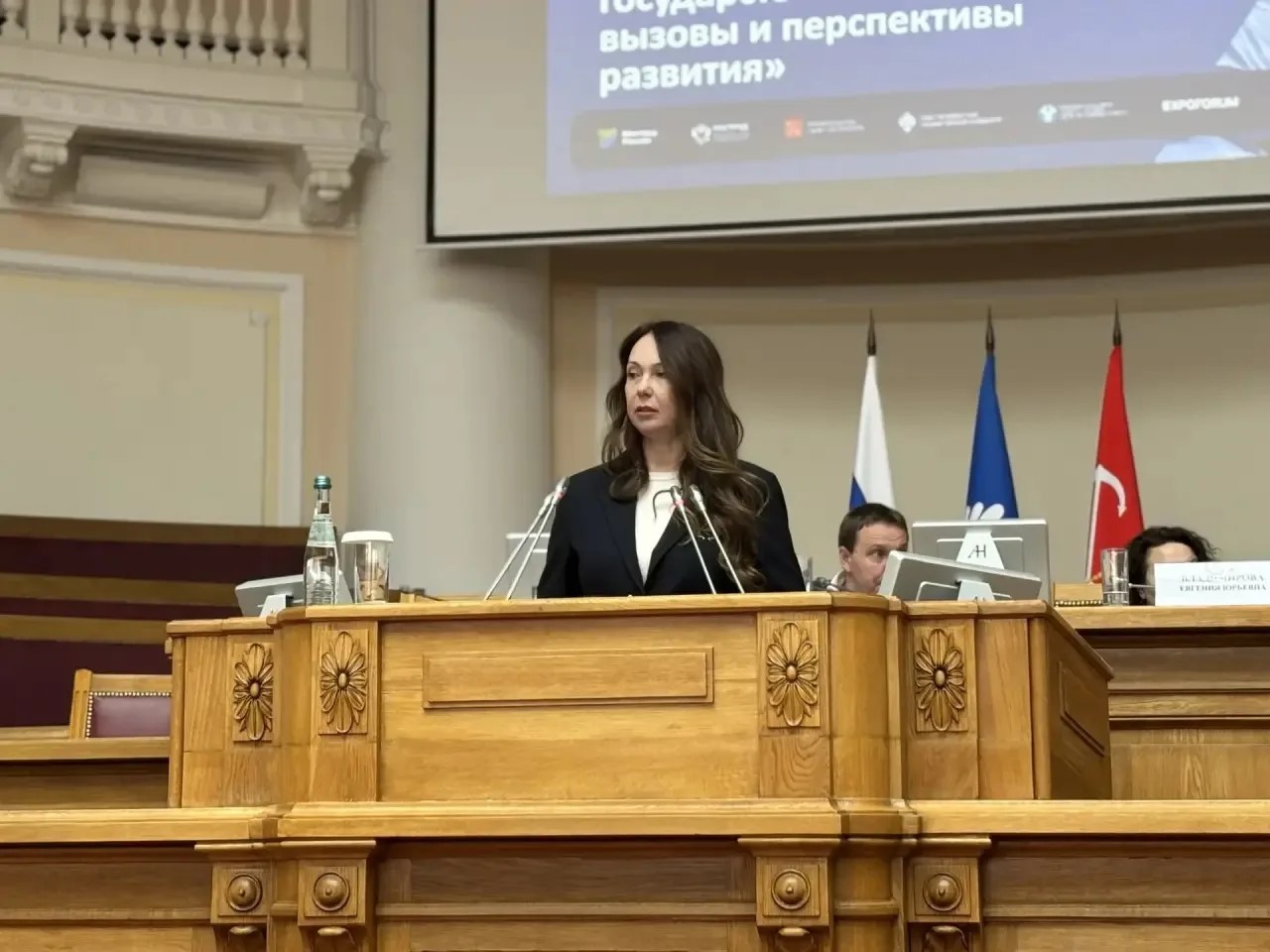
As part of the business program of the 10th Anniversary St. Petersburg Labor Forum, the International Conference "Common Migration Space of the CIS States: Modern Challenges and Development Prospects" is being held. A delegation from the General Confederation of Trade Unions (GCTU) is taking part in the conference.
During the first plenary session of the conference, Margarita Usova, Deputy Secretary General of the GCTU, presented the trade unions' position on current issues on regulating labor migration in the formation of a common labor market in the CIS. "We need to ensure that all labor migrants involved in organized recruitment are protected and not in fact in a state of servitude," Usova said in her speech. The trade union leader noted that "the growing capitalization of the migrant labor market is leading to the emergence of new players. Transnational employment agencies, implementing various forms of temporary labor, are replacing informal structures based on connections between representatives of one nationality or another."
The conference is a key discussion platform for addressing global trends in the CIS labor market. The focus of the conference participants is on legal integration and security, including the formation of a common legal framework and joint efforts to combat illegal migration and human trafficking. Important topics include technological modernization, digital transformation of migration procedures, and ensuring social and medical guarantees for migrant workers.
Representatives of the GCTU are part of the working group preparing a draft of the new edition of the Concept of the Common Migration Space of the CIS member states. The GCTU has submitted a number of proposals to the text of the document. One of them is the provision on the need to conclude agreements between states with the participation of social partners to prevent abuses and deceptive practices in relation to the organized recruitment, employment, and employment of migrants, as well as the introduction of additional forms of control over the activities of private employment agencies by trade unions.
GCTU News
-
President of Russia Vladimir Putin Presents the Order of Honour to Viktor Pinsky
Viktor Pinsky, a member of the Russian State Duma and General Secretary of the General Confederation of Trade Unions (GCTU), has been awarded the Order of Honour. The award was presented by Vladimir Putin, President of the Russian Federation.
"My sincere congratulations! I am glad that your work has been duly recognised by the country's leadership," Vladimir Putin said as he presented the award to Viktor Pinsky.
The ceremony took place today in the St George's Hall of the Kremlin in Moscow.
-
Margarita Usova presents GCTU initiatives at the “Trade Unions. 21st Century” forum
On October 8, Sochi is hosting the 8th All-Russian Intelligence Forum “Trade Unions. 21st Century. An Era of Change.” For the third year running, the General Confederation of Trade Unions is the forum's general partner.
-
GCTU takes part in EEC Advisory Committee meeting on social security for workers
On October 8, Moscow hosted the ninth meeting of the Advisory Committee on Social Security, Pension Rights, Medical Care, and Professional Activities of Workers of the Eurasian Economic Union (EAEU) member states, held at the Eurasian Economic Commission (EEC).