

Trade Unions Remain a Key Pillar of Civil Society in CIS Countries – Viktor Pinsky
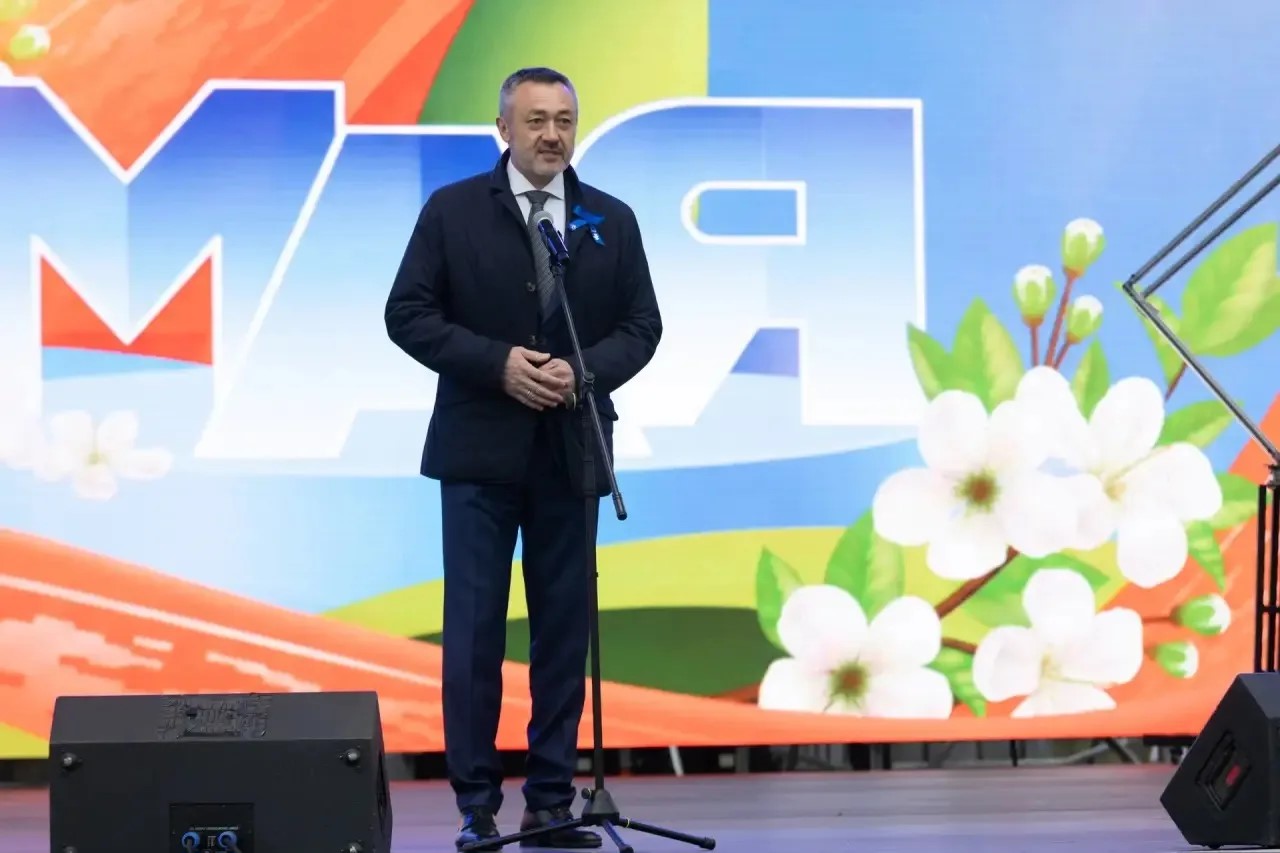
Viktor Pinsky, Secretary General of the General Confederation of Trade Unions and Deputy of the Russian State Duma, spoke at a May Day demonstration in the Republic of Belarus.
The demands of trade unions are simple and clear: jobs, labor protection, decent wages, and guarantees in case of disability, Viktor Pinsky believes.
"On May 1, trade unions around the world bring workers to the streets to show their strength and unity in defending workers' rights. Our demands are simple and clear: we need jobs, labor protection, decent wages, and guarantees in case of disability. The Federation of Trade Unions of Belarus stands guard over the interests of the republic's workers. It reliably protects labor, cares about improving workers' welfare, and raises issues of labor protection and the rights of older workers and working women. Trade unions have been and remain one of the main pillars of civil society throughout the CIS, and a special focus on the working person is what unites our countries," Viktor Pinsky said today at the Labor Day celebration in Minsk, Republic of Belarus.
The festive events in Minsk began with the laying of flowers at the "Minsk – Hero City" stele. Representatives of labor collectives, the Administration of the President of the Republic of Belarus, the Government, ministries, and departments, as well as the leadership of the Federation of Trade Unions of Belarus, took part in the ceremony. Over 20,000 people participated in the celebrations in Minsk.
Events dedicated to May 1 have been taking place for a week in the CIS countries. In Armenia, Kazakhstan, Kyrgyzstan, Russia, and Tajikistan, trade unions have organized marathons, community clean-up days, collective meetings, and demonstrations.
GCTU News
-
President of Russia Vladimir Putin Presents the Order of Honour to Viktor Pinsky
Viktor Pinsky, a member of the Russian State Duma and General Secretary of the General Confederation of Trade Unions (GCTU), has been awarded the Order of Honour. The award was presented by Vladimir Putin, President of the Russian Federation.
"My sincere congratulations! I am glad that your work has been duly recognised by the country's leadership," Vladimir Putin said as he presented the award to Viktor Pinsky.
The ceremony took place today in the St George's Hall of the Kremlin in Moscow.
-
Margarita Usova presents GCTU initiatives at the “Trade Unions. 21st Century” forum
On October 8, Sochi is hosting the 8th All-Russian Intelligence Forum “Trade Unions. 21st Century. An Era of Change.” For the third year running, the General Confederation of Trade Unions is the forum's general partner.
-
GCTU takes part in EEC Advisory Committee meeting on social security for workers
On October 8, Moscow hosted the ninth meeting of the Advisory Committee on Social Security, Pension Rights, Medical Care, and Professional Activities of Workers of the Eurasian Economic Union (EAEU) member states, held at the Eurasian Economic Commission (EEC).