

Глава Минтруда России дал кадровый прогноз на пятилетку
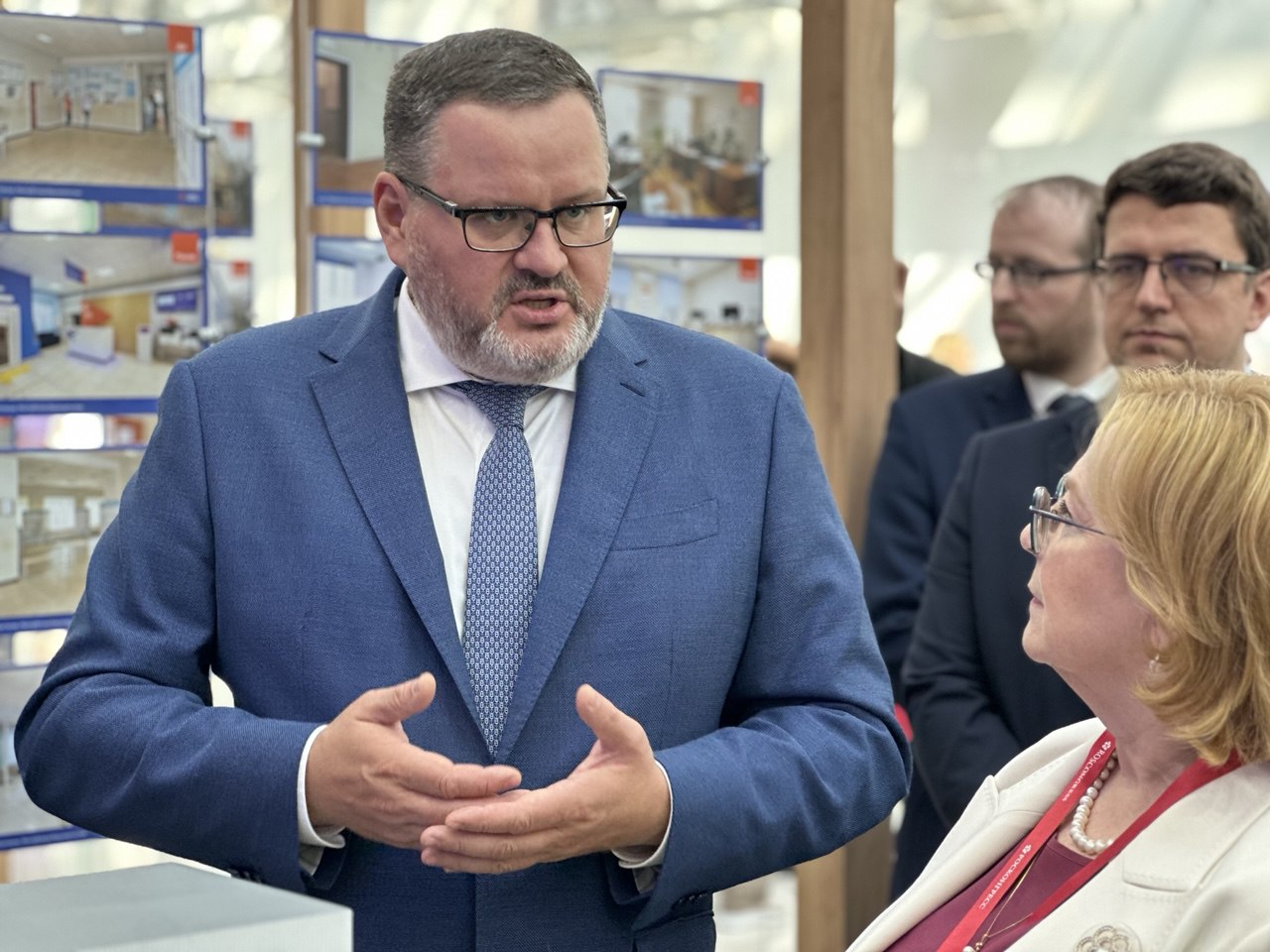
О перспективах рынка труда, подготовке кадров и цифровой трансформации социальной сферы глава Минтруда России Антон Котяков рассказал в интервью изданию «Коммерсантъ».
Стало известно, что Министерство труда РФ разработало кадровый прогноз на ближайшие пять лет. Это было сделано на основе анализа рынка труда и его перспективных потребностях. В процессе анализа был обработан значительный объем данных. Только опрос работодателей охватил около 260 тысяч организаций.
Антон Котяков сообщил, что 70% кадровой потребности, включая замещение выходящих на пенсию, – это квалифицированные рабочие, а в качестве главного кадрового резерва делается ставка на молодежь. Исходя из этого в настоящее время разрабатывается методика перевода результатов кадрового прогноза в контрольные цифры приема в вузы и колледжи.
Также было отмечено, что объединение в России Пенсионного фонда и Фонда социального страхования в единый Социальный фонд ускорило темпы цифровизации, и 93% услуг фонда уже оказывается онлайн. Это касается назначения пенсий по инвалидности, социальных доплат к пенсиям, маткапитала и выплат при рождении ребенка – эти услуги оказываются населению проактивно, в беззаявительном порядке.
Кроме того, глава ведомства рассказал, что по итогам 2024 года показатель уровня бедности ожидается на уровне 8% или ниже, а в правительстве продолжается работа по повышению эффективности мер поддержки доходов граждан.
GCTU News
-
President of Russia Vladimir Putin Presents the Order of Honour to Viktor Pinsky
Viktor Pinsky, a member of the Russian State Duma and General Secretary of the General Confederation of Trade Unions (GCTU), has been awarded the Order of Honour. The award was presented by Vladimir Putin, President of the Russian Federation.
"My sincere congratulations! I am glad that your work has been duly recognised by the country's leadership," Vladimir Putin said as he presented the award to Viktor Pinsky.
The ceremony took place today in the St George's Hall of the Kremlin in Moscow.
-
Margarita Usova presents GCTU initiatives at the “Trade Unions. 21st Century” forum
On October 8, Sochi is hosting the 8th All-Russian Intelligence Forum “Trade Unions. 21st Century. An Era of Change.” For the third year running, the General Confederation of Trade Unions is the forum's general partner.
-
GCTU takes part in EEC Advisory Committee meeting on social security for workers
On October 8, Moscow hosted the ninth meeting of the Advisory Committee on Social Security, Pension Rights, Medical Care, and Professional Activities of Workers of the Eurasian Economic Union (EAEU) member states, held at the Eurasian Economic Commission (EEC).